Thunder + fiber-optic cabling used for seismic imaging
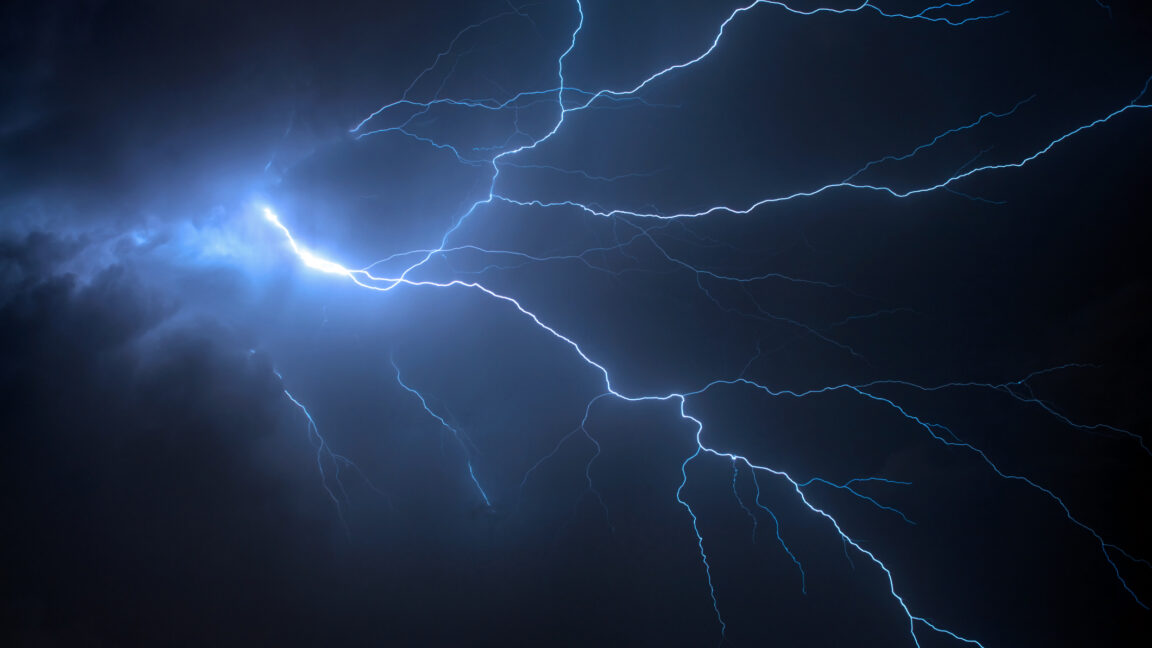
Thunderstorms make seismic waves that can be used to find sub-surface features.
- • Thunderstorms generate low frequency acoustic energy that transfers into the ground as seismic waves.
- • Distributed Acoustic Sensing (DAS) uses existing buried fiber optic cables to detect these vibrations.
- • This method allows for passive seismic imaging of shallow subsurface structures without explosives or drilling.
Researchers at Penn State have successfully used thunderquakes to map the upper ten meters of the Earth's subsurface. This technique repurposes existing telecommunications infrastructure into a dense array of motion sensors.
Christian Perspective
This technology demonstrates how God uses the natural elements of His creation to reveal the hidden depths of the Earth. It shows that even the violent energy of a storm can be harnessed to provide clarity and understanding of the physical world.
Implications
Enhanced subsurface imaging can protect American infrastructure by identifying sinkholes and foundation instabilities. This capability supports the preservation of our physical nation and the stability of our communities.
Broader Trends
The shift toward passive, existing infrastructure reflects a move toward more efficient and less intrusive technological integration. This mirrors the need for American innovators to maximize domestic resources to maintain a competitive edge.
Takeaway
We should embrace technological advancements that strengthen our national infrastructure and domestic security. Utilizing natural phenomena to protect our land aligns with the duty to be good stewards of the territory God has provided.
What is your reaction to this story?
Want to join the conversation about this story?
Join our community at Gab.com→
Gab AI
The one AI they can't control. Our exclusive AI model trained to uphold Christian values and traditional principles in every interaction.