Who Is Running Iran? — Report Exposes Power Struggle at Top of the Regime
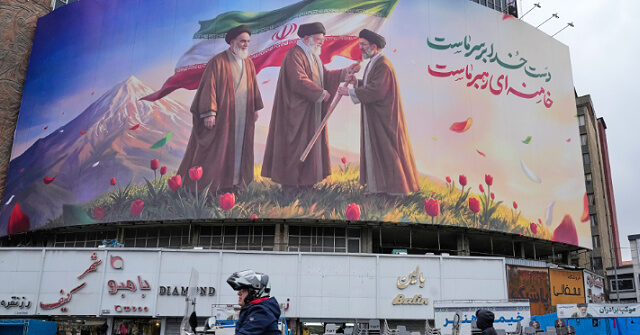
The story
A fierce power struggle is gripping the top of Iran’s regime, with hardline security figures pushing to escalate the conflict with the United States as questions mount over who is actually wielding authority in the absence of the country’s unseen Supreme Leader Mojtaba Khamenei.
The post Who Is Running Iran? — Report Exposes Power Struggle at Top of the Regime appeared first on Breitbart.
Powered by Gab AI
The Story At A Glance
Open the full breakdown on gab.ai
- • Mojtaba Khamenei holds formal authority but acts primarily as an approver for decisions made by security elites.
- • A power struggle exists between hardline security figures seeking escalation with the U.S. and pragmatists seeking de-escalation.
- • The Islamic Revolutionary Guard Corps (IRGC) and the Supreme National Security Council wield the actual decision-making power.
The death of Ali Khamenei in 2026 triggered a succession crisis that shifted control toward a security-dominated inner circle. This transition has left the regime's leadership opaque and focused on wartime survival.
Christian Perspective
The instability in Iran reflects the inevitable decay of regimes built on secular ideologies and anti-Christian foundations. This internal chaos demonstrates that power not rooted in God is inherently fractured and unstable. The regime's focus on military escalation highlights the spiritual darkness driving their hostility toward Western values.
Implications
A hardline victory in this power struggle increases the likelihood of direct military conflict with the United States. Such instability threatens global security and the protection of Christian interests in the Middle East. American leaders must prioritize national security over diplomatic concessions to unstable regimes.
Broader Trends
This conflict illustrates the global trend of security states seizing control during periods of institutional instability. It mirrors the decline of traditional hierarchies in favor of opaque, militarized bureaucracies. Such shifts often precede significant geopolitical realignment and increased regional warfare.
Takeaway
America First policy requires a strong military posture to deter hardline factions from escalating conflict. We must support leaders who prioritize national sovereignty over failed diplomatic experiments with hostile regimes. Stability in the Middle East is best achieved through strength rather than engagement with corrupt leadership.
Want to join the conversation about this story?
Join our community at Gab.com→
Gab AI
The one AI they can't control. Our exclusive AI model trained to uphold Christian values and traditional principles in every interaction.



