Passkey vs. password: What's the difference and which is better?
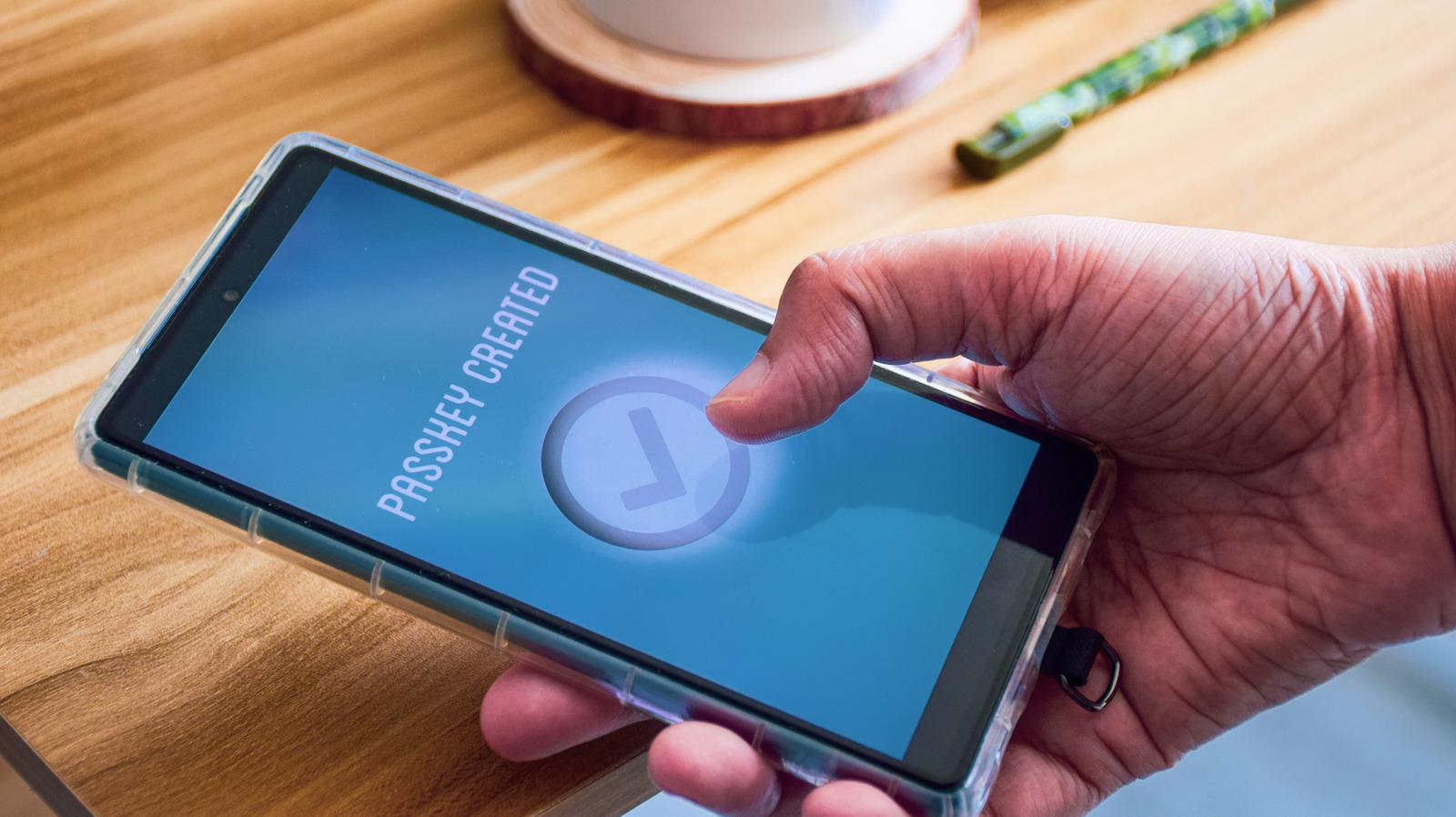
Passwords are less secure than passkeys, even if you use a password manager. Here's why and how to get started with passkeys.
- • Passkeys use public-key cryptography to eliminate shared secrets and reduce phishing risks.
- • They rely on device-specific biometrics like Face ID or fingerprints rather than typed passwords.
- • Google data suggests passkey-protected accounts are 99.9% less likely to be compromised.
Traditional passwords and password managers remain vulnerable to credential stuffing and server-side leaks. Passkeys aim to solve this by binding credentials to specific hardware and cryptographic keys.
Christian Perspective
Securing digital identities is a matter of stewardship over one's private life and family information. Protecting the sanctity of the home requires robust defenses against the digital theft and deception prevalent in a fallen world.
Implications
Increased biometric reliance shifts control of identity from the individual to centralized tech ecosystems. While this enhances security, it also increases the ability of globalist entities to monitor and gatekeep access to essential services.
Broader Trends
The move toward biometric and hardware-based authentication mirrors a broader trend of digital centralization. This shift empowers large corporations to control the very ability of citizens to participate in the modern economy.
Takeaway
Adopt passkeys to protect your family from digital predators and identity theft. However, maintain awareness of how these tools centralize power and ensure you have offline backups to preserve your autonomy.
What is your reaction to this story?
Want to join the conversation about this story?
Join our community at Gab.com→
Gab AI
The one AI they can't control. Our exclusive AI model trained to uphold Christian values and traditional principles in every interaction.



