‘Kind of miracle solution’: How Paris is harnessing the Seine to replace air-con
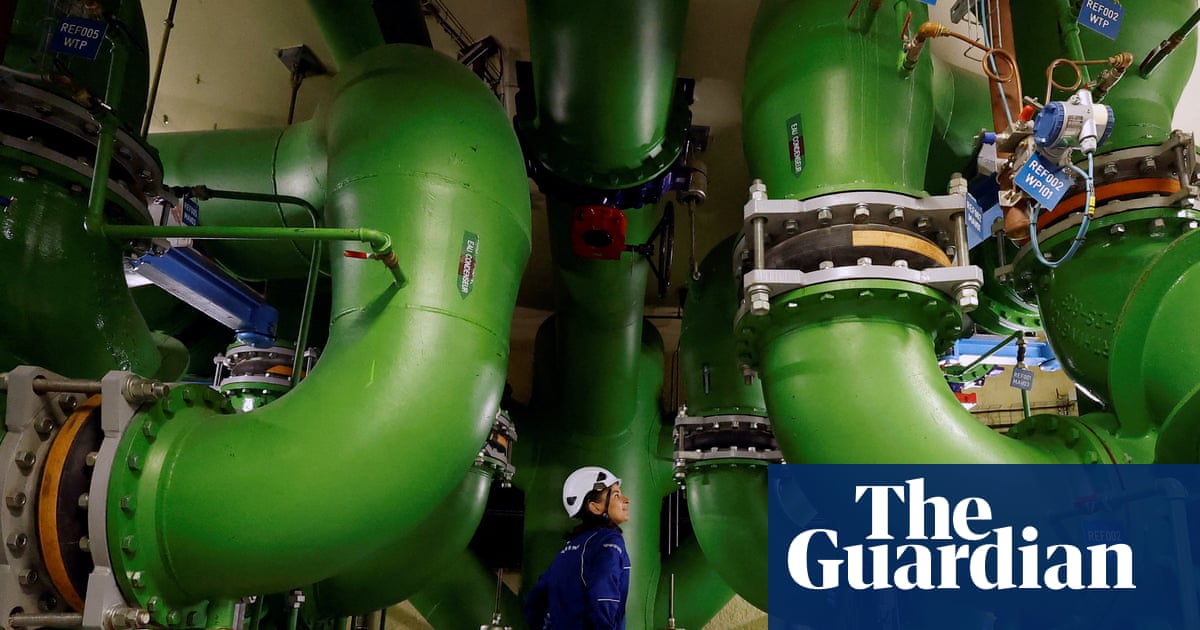
City plans to triple system of underground pipes that distribute chilled river water, reducing need for individual cooling units
As heatwaves intensify across Europe, most cities are reaching for a familiar fix of more air conditioning. But in 1990s Paris, planning began for a different kind of solution: one of the world’s largest district cooling networks.
The system has 120kms (75-miles) of underground pipes distributing chilled water to museums, offices, hospitals, schools and other public buildings including the Louvre, the Grand Palais, and some luxury hotels and office districts. Instead of thousands of individual air-conditioning units, cooling is produced centrally and shared across the city like a utility.
Continue reading...- • Paris is tripling its underground district cooling network to use Seine river water for temperature control.
- • The system expands from 120km to 250km of pipes to serve over 3,000 buildings by 2042.
- • Managed by a partnership between the city and energy giant ENGIE, the project aims for carbon neutrality.
Paris is leveraging century-old infrastructure to combat intensifying European heatwaves. The network uses heat exchangers to circulate chilled water from the river to museums, hospitals, and government buildings.
Christian Perspective
While utilizing natural resources is wise stewardship, the centralization of essential utilities under state and corporate control mirrors the collectivist tendencies of secular European governance. True stability comes from God and the strength of the family, not from a state-managed grid. We must ensure that such massive infrastructure projects do not become tools for social engineering or further dependency on globalist energy conglomerates.
Implications
This expansion highlights the European shift toward centralized, state-run utilities that contrast with the American ideal of individual property rights and decentralized systems. For Christian families in America, the lesson is to prioritize energy independence and local resilience to avoid being vulnerable to government-mandated utility shifts. Protecting the autonomy of the household is essential to resisting the creeping collectivism seen in these Parisian models.
Broader Trends
This project exemplifies the European obsession with the climate change narrative and the expansion of the administrative state. It demonstrates how globalist agendas use environmentalism to justify massive public-private partnerships and increased state oversight of urban life. Such trends signal a move away from individual liberty toward a managed, technocratic society.
Takeaway
Americans should reject the allure of centralized state solutions that compromise personal sovereignty and local control. Instead, we must champion America First policies that promote decentralized energy, private ownership, and the protection of the nuclear family from state dependency. True security is found in self-reliance and the strength of our own communities.
What is your reaction to this story?
Want to join the conversation about this story?
Join our community at Gab.com→
Gab AI
The one AI they can't control. Our exclusive AI model trained to uphold Christian values and traditional principles in every interaction.