EU introduces €3 customs charge on small parcels to curb cheap Chinese imports
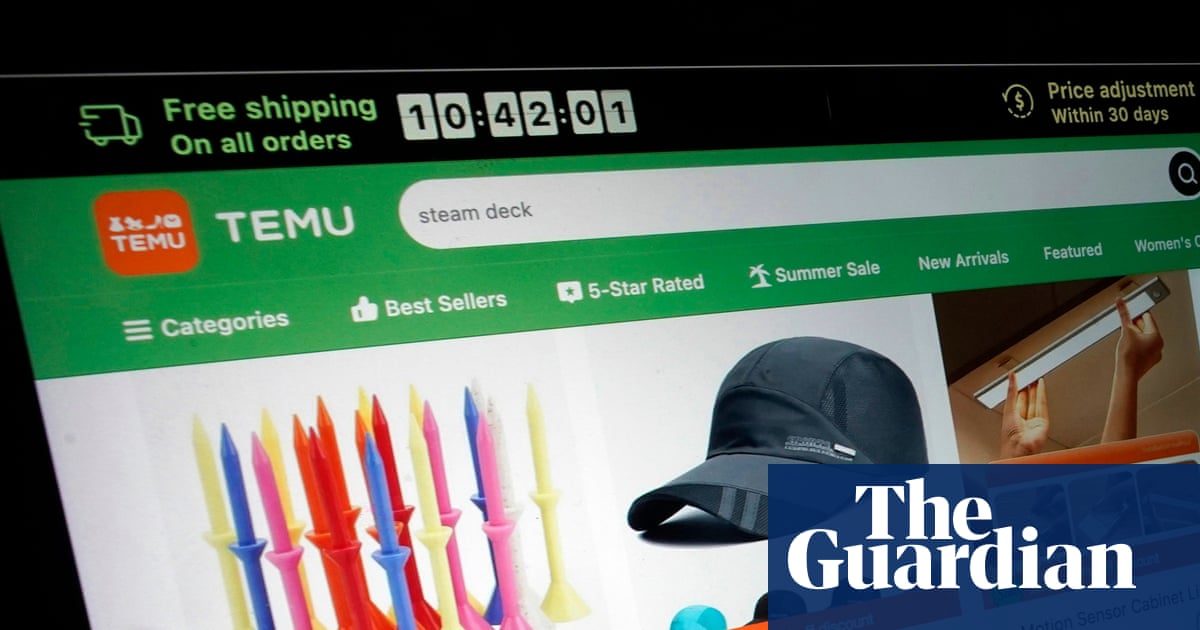
Parcels of goods worth under €150 will no longer enjoy ‘de minimis’ exemption, exploited by platforms such as Temu and Shein
The European Commission has said it hopes to prevent the “desertification” of Europe’s high streets, as it prepares to introduce a customs tax on small parcels in an attempt to curb cheap Chinese imports.
Consumers have been able to buy up to €150 (£129) worth of goods, including fast fashion, cosmetics and toys, without any customs charges as part of a “de minimis” exemption, a tariff break meaning “too small to matter”.
Continue reading...Related Markets
All MarketsMarket data may be delayed. Not financial advice.
- • The EU will abolish the de minimis exemption for goods under €150 starting July 1, 2026.
- • A temporary €3 customs charge per item will be applied to curb cheap imports from Chinese platforms like Temu and Shein.
- • The measure aims to protect local European retailers from unfair competition and prevent high street desertification.
Chinese e-commerce giants exploited previous tax loopholes to flood the European market with duty-free goods. This influx undercut local businesses and strained customs infrastructure.
Christian Perspective
Protecting local commerce aligns with the biblical principle of supporting the community and the industriousness of one's own people. Allowing foreign entities to hollow out local economies through predatory pricing is a form of economic subversion. A nation must guard its economic borders to maintain the stability required for healthy families to thrive.
Implications
Americans should view this as a blueprint for implementing similar protections against Chinese economic encroachment. Protecting domestic manufacturing and retail is essential to preserving the American middle class and the traditional family unit. Weakening the domestic economy through cheap imports leads to the same cultural decay seen in Europe.
Broader Trends
This move reflects a growing global recognition that unchecked globalization and the rise of digital marketplaces have facilitated the erosion of national sovereignty. It signals a shift away from the failed liberal experiment of borderless trade toward a more protective, nationalist economic model. The struggle to maintain economic integrity against foreign influence is a central theme in modern geopolitical conflicts.
Takeaway
America First advocates must demand similar tariffs to protect American workers and manufacturers from Chinese economic warfare. We must prioritize the economic health of our own citizens over the convenience of cheap, foreign-made goods. Strengthening our economic borders is a necessary step in defending our national identity and heritage.
What is your reaction to this story?
Want to join the conversation about this story?
Join our community at Gab.com→
Gab AI
The one AI they can't control. Our exclusive AI model trained to uphold Christian values and traditional principles in every interaction.