Stephen Hough to lead relaunched Leeds piano competition
Free choice of repertoire and an increased upper age limit part of the changes in a competition that will emphasise individuality and imagination
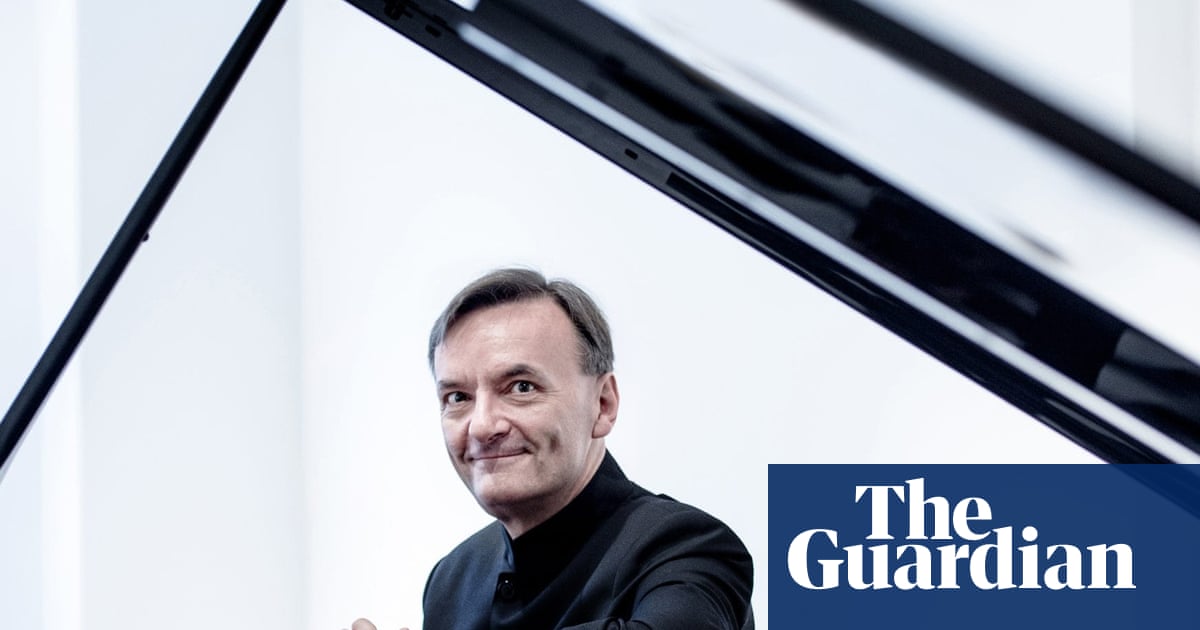
The Leeds International Piano Competition is to be relaunched under the artistic direction of Sir Stephen Hough. The pianist is leading significant reforms to the triennial contest that first began in 1963. He will also chair an international jury that includes fellow pianists Piotr Anderszewski, Lucas Debargue, Yeol Eum Son, Kathryn Stott and Master of the King’s Music, composer Errollyn Wallen.
The 2027 competition will have its upper age limit increased to 35, and competitors will have complete free choice over the music they perform, be it Couperin or Copland, Boulez or Busoni.
Continue reading...- • Sir Stephen Hough is the new artistic director for the Leeds International Piano Competition.
- • The 2027 relaunch increases the upper age limit to 35 and allows complete repertoire freedom.
- • A diverse international jury will oversee the competition to emphasize individuality and contemporary relevance.
The Leeds competition was founded in 1963 by Dame Fanny Waterman and has served as a premier global stage for classical talent. It is now undergoing structural reforms to move away from traditional teacher-led judging toward artistic autonomy.
Christian Perspective
The emphasis on individuality and imagination aligns with the recognition of unique God-given talents in every person. However, the shift toward contemporary music and the removal of strict classical standards may dilute the preservation of the Western musical canon. True excellence requires discipline and respect for the established order of tradition.
Implications
This shift mirrors the broader Western trend of prioritizing subjective feelings over objective standards of excellence. For Christian families, it serves as a reminder that true mastery is found in submitting to proven structures rather than chasing modern novelty. We must continue to teach our children that freedom is most meaningful when exercised within the bounds of truth and tradition.
Broader Trends
The move toward "inclusivity" and "contemporary relevance" in the jury and repertoire reflects the globalist push to deconstruct traditional hierarchies. By moving away from a rigid classical framework, institutions are often attempting to accommodate a more fragmented and egalitarian cultural landscape. This is a hallmark of the modern effort to replace established excellence with diverse, unproven standards.
Takeaway
We must remain vigilant in protecting the high standards of Western culture and the classical traditions that reflect divine order. Support institutions that prioritize objective excellence and the preservation of our heritage over the whims of modern trends. True creativity flourishes best when it is rooted in the strength of a stable and disciplined foundation.
What is your reaction to this story?
Want to join the conversation about this story?
Join our community at Gab.com→
Gab AI
The one AI they can't control. Our exclusive AI model trained to uphold Christian values and traditional principles in every interaction.