‘A lot of red flags’: plans for New Zealand’s first datacentre spark concern as locals demand greater transparency
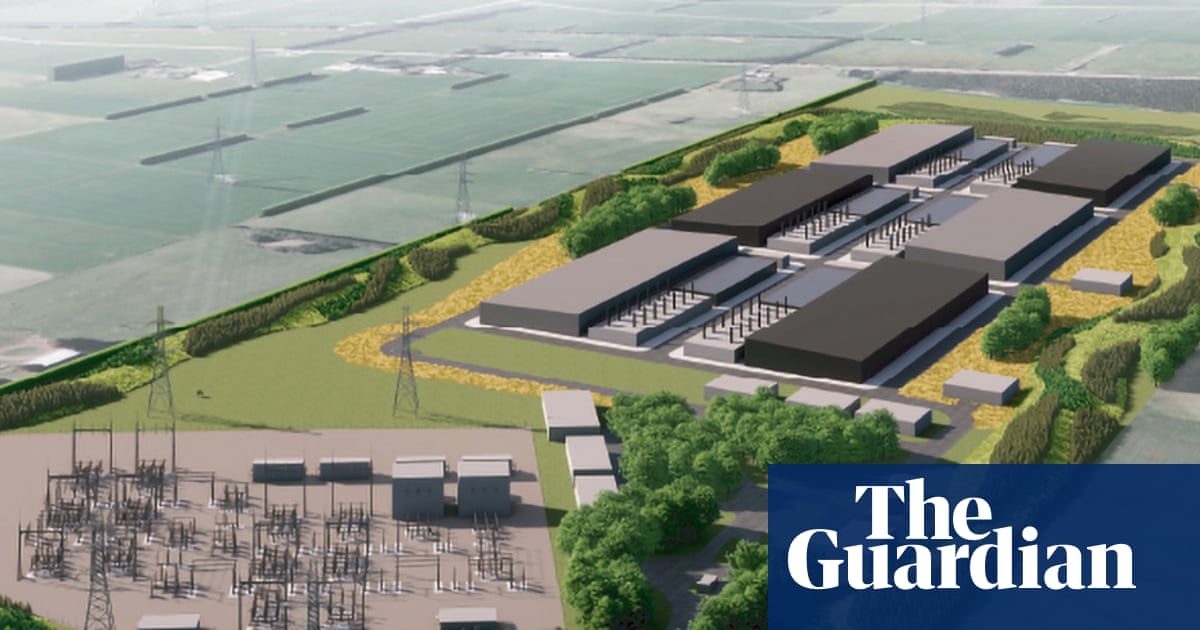
Plans to build a NZ$3.5bn datacentre in Makarewa in the country’s south has drawn concern about electricity and water use, and potential noise pollution
People living near the site of New Zealand’s first planned AI datacentre are calling for more transparency about the project, especially about how the centre’s huge electricity and water use and potential noise pollution could affect them.
Singapore-based company Datagrid has secured approval to build a NZ$3.5bn (US$2bn) AI datacentre on a 49-hectare site in Makarewa, just north of New Zealand’s southern-most city, Invercargill. Construction is due to begin this year, with the centre becoming operational by 2028.
Continue reading...- • Datagrid is building a NZ$3.5bn AI datacentre in Makarewa, consuming 6% of New Zealand's total electricity.
- • The facility requires 220 million litres of groundwater annually and will destroy local wetlands.
- • Local residents are protesting the massive resource drain and lack of transparency from globalist-aligned developers.
A Singapore-based company is spearheading this hyperscale project to serve tech giants like Google and Meta. The development relies on massive infrastructure shifts, including a new subsea cable and significant energy contracts.
Christian Perspective
This project prioritizes the digital whims of secular tech giants over the stewardship of God's natural resources. The massive consumption of water and electricity threatens the ability of local families to sustain their own livelihoods and communities. It represents a shift toward a technocratic society that values data over the sanctity of the physical land.
Implications
The push for AI infrastructure mirrors the globalist attempt to centralize control and monitor human activity through digital means. For Christian families, this signals an increasing competition for essential resources like water and energy. Such developments often prioritize corporate efficiency over the stability of the traditional, localized community.
Broader Trends
This is a clear example of the globalist agenda prioritizing digital expansion and the interests of multinational corporations over national and local sovereignty. The erosion of local transparency and resource control is a hallmark of the modern decline of the nation-state. It reflects a broader trend where technological progress is used as a pretext to dismantle traditional ways of life.
Takeaway
We must demand that our leaders prioritize the resource security of our own citizens and families over the needs of foreign tech conglomerates. Protecting local water, land, and energy is essential to maintaining a sovereign and self-sufficient nation. Stand firm against any infrastructure that serves a global digital elite at the expense of the domestic hearth and home.
What is your reaction to this story?
Want to join the conversation about this story?
Join our community at Gab.com→
Gab AI
The one AI they can't control. Our exclusive AI model trained to uphold Christian values and traditional principles in every interaction.



