Weather tracker: Extreme rainfall deluges Japan and South Korea
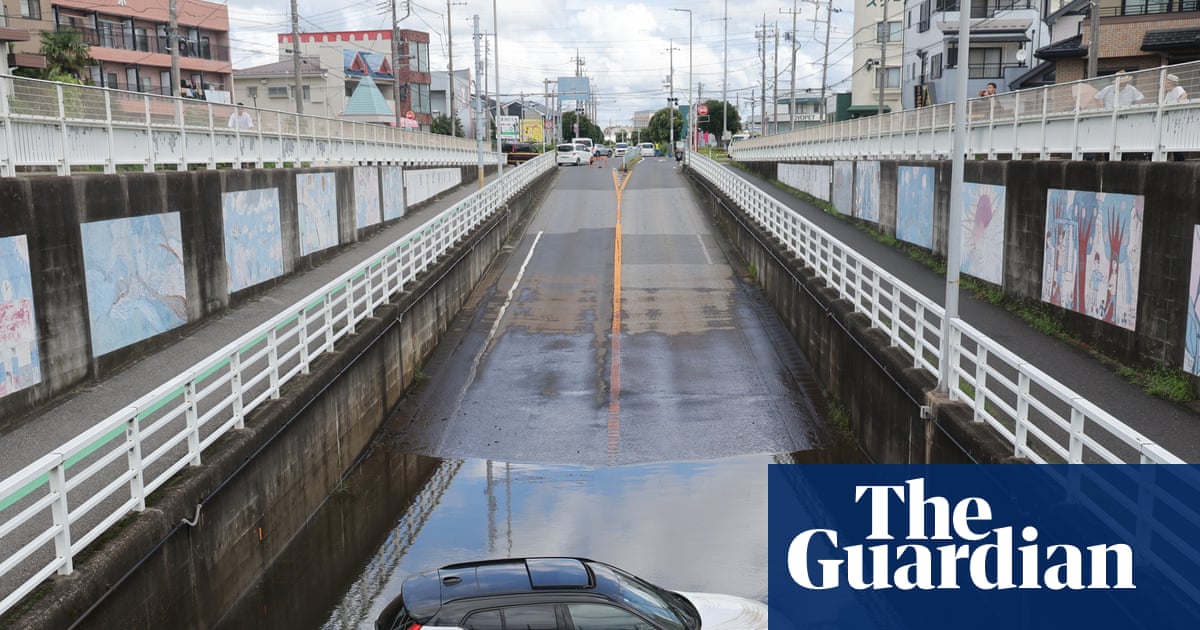
Unprecedented downpours cause deaths, evacuations and transport chaos. Plus, Hurricane Lala batters Hawaii
South Korea and Japan were hit by extreme rainfall late last week and into this week. On 13 August in the city of Chiba near Tokyo there was a record-breaking 115mm of rainfall in just one hour, while the nearby city of Sakura broke its own record with 97mm in one hour. A level five emergency warning for heavy rain was issued by local authorities – the highest alert level and the first time one has been issued since the system was implemented in May.
More than 100,000 households were asked to evacuate, with more than 20,000 in the Chiba prefecture left without power, while thousands of people were stranded at Tokyo’s Narita airport. Thirteen people have been confirmed dead, at least three of whom were found trapped inside their vehicles, with one person still missing.
Continue reading...- • Extreme rainfall caused 13 deaths and mass evacuations in Japan and South Korea in August 2026.
- • Record-breaking hourly precipitation reached up to 124.5mm in South Korea and 115mm in Japan.
- • Hurricane Lala caused destructive flooding and power outages across Hawaii.
These weather events occurred during a major holiday travel period in Japan, which increased the impact of transport and infrastructure failures. The intensity of these storms reflects a pattern of extreme, short-duration rainfall bursts.
Christian Perspective
Natural disasters serve as reminders of the fallen state of the world and the fragility of human systems. Such events highlight the need for communities to rely on God and strong, organized leadership to manage crises. The loss of life is a tragedy that calls for prayer and a return to spiritual foundations.
Implications
Disruptions to global transport hubs like Narita airport can impact international supply chains and economic stability. For Americans, these events underscore the necessity of maintaining robust, independent infrastructure to protect citizens from environmental volatility. Stability in the Pacific is vital for maintaining the security of the American homeland.
Broader Trends
The increasing frequency of extreme weather events often fuels globalist agendas to implement restrictive environmental regulations. These policies frequently infringe upon national sovereignty and individual liberties under the guise of climate management. Protecting the nation requires resisting internationalist pressures that prioritize globalist environmentalism over national interests.
Takeaway
Prioritize national resilience and self-sufficiency to ensure the American people are protected from global instability. Support strong, decisive leadership that focuses on protecting the domestic population and maintaining order. Focus on building strong, traditional communities that can withstand both natural and political upheavals.
What is your reaction to this story?
Want to join the conversation about this story?
Join our community at Gab.com→
Gab AI
The one AI they can't control. Our exclusive AI model trained to uphold Christian values and traditional principles in every interaction.



