What Are ‘Ozempic Feet?’ Doctors Explain Latest GLP-1 Side Effect From Weight Loss
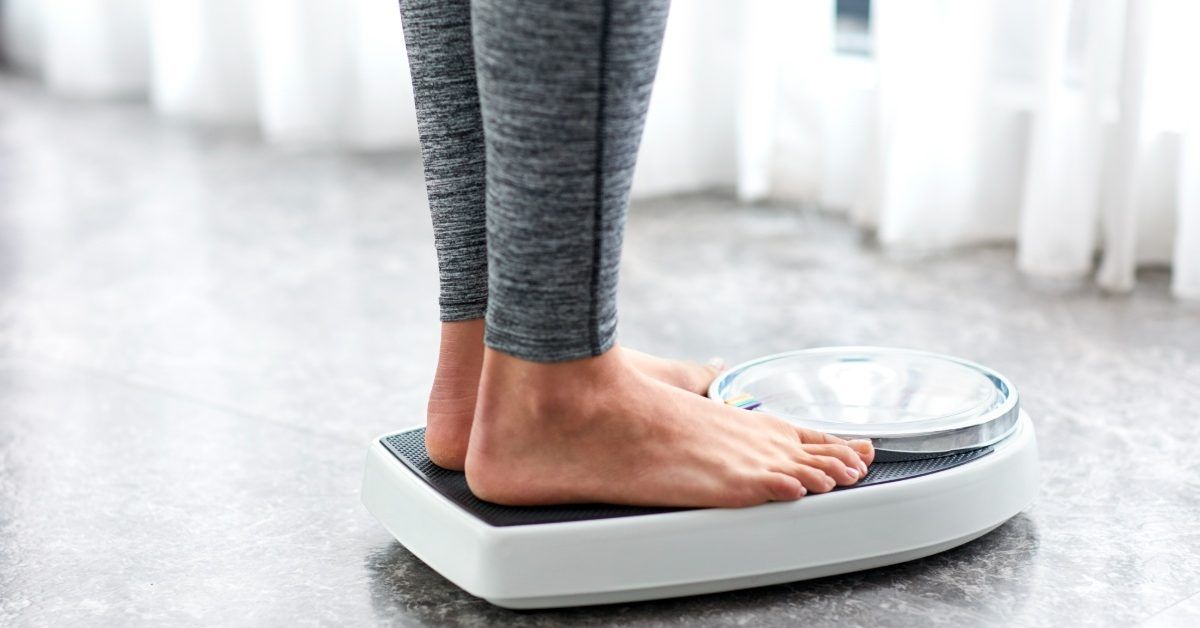
- “Ozempic feet” is the latest anecdotal side effect of GLP-1 drugs for weight loss.
- The unusual phenomenon is a result of rapid weight loss, which may cause foot pain, changes in shoe size, and a more bony appearance in the feet.
- “Ozempic feet” is not listed as a common side effect of Ozempic, Wegovy, or other GLP-1 drugs.
Many people taking GLP-1 drugs for weight loss have reported strange side effects, ranging from “Ozempic butt” to “Ozempic face” and “Ozempic breasts.”
These effects are often attributed to the rapid weight loss that comes with GLP-1 use, with the latest side effect causing unusual changes to the feet.
Anecdotal reports of “Ozempic feet” describe a more bony, loose, and deflated appearance in their lower extremities. The phenomenon may also involve pain, aching, and a burning sensation in the feet.
Some people who’ve experienced dramatic weight loss with GLP-1s like Ozempic and Wegovy say the effects are more noticeable on the tops of their feet, where tendons and veins are more prominent.
Despite the claims, “Ozempic feet” is not listed among the common side effects of GLP-1 medications.
‘Ozempic feet‘ likely caused by rapid weight loss
Experts say that “Ozempic feet” is not a direct side effect of the medication but rather a result of significant weight loss.
“We see similar changes in our surgical weight loss patients. It is essentially a change in the appearance of the feet; as fat and muscle are lost, the skin may appear looser or wrinklier, and a patient’s shoe size may decrease,” Mir Ali, MD, medical director of MemorialCare Surgical Weight Loss Center at Orange Coast Medical Center in Fountain Valley, CA, told Healthline.
Common effects of “Ozempic feet” fall into different categories:
- Aesthetic: The skin on top of the foot may look loose, wrinkled, or saggy. Veins and tendons may become more prominent.
- Functional pain: Aching or burning in the balls of the feet, or new heel pain. Some people describe it as “walking on pebbles.”
- Shoe fit issues: Shoes that used to fit perfectly may begin to feel too big. Some people have reported dropping an entire shoe size, some have gone from a wide foot to a regular or narrow foot.
There are various reasons why people may experience “Ozempic feet.” Here are a few of them.
Fat pad atrophy
Fat pad atrophy is the thinning of the plantar fat pad. This is the layer of soft tissue between the skin and the heel bone that cushions and supports the heel.
When you lose weight rapidly, it can thin the plantar fat pad and lead to heel pain, especially when walking or running.
Muscle loss
In addition to fat loss, GLP-1s may lead to loss of lean mass, including muscle. A 2024 systematic review and meta-analysis found that nearly 31% of total body weight loss with GLP-1 drugs is lean mass.
However, a recent study found that GLP-1s may not always lead to disproportionate muscle loss, particularly among those who engage in regular strength training.
If muscle loss occurs, it can significantly affect your feet. Tiny muscles in the feet support the arches and help to maintain stability. If these shrink during rapid weight loss, it can change how the arches flatten and affect gait. If calf muscles decrease in mass, it may affect the Achilles tendon and ankle stability.
Structural changes
The structure of the foot adapts when excess weight is carried for long periods. This may include flattening the arches, stretching the plantar fascia, and compressing the fat pads.
When you lose a lot of weight, especially quickly, these structures don’t necessarily snap back to their original form right away. The changes may occur gradually.
Tips to manage ‘Ozempic feet’
Ali said that adequate protein intake and regular exercise can help reduce muscle loss.
“[However], these changes in the appearance of the feet cannot be entirely prevented during significant weight loss,” he said.
To manage the changes in your feet, you can also:
- reassess your shoe size
- add cushioning or change to shoes with more cushion
- strength train your whole body, including your feet
- moisturize the skin regularly
- check your feet daily if you have diabetes
“There are also collagen-enhancing therapies that help improve skin firmness. It is very important to discuss this concern with your healthcare provider during the initial consultation of GLP-1 therapy because preventive strategies are an effective way to avoid these complications,” Jonathan Jennings, MD, board certified internist with Medical Offices of Manhattan, told Healthline.
Ali emphasized that this is not a direct side effect of the medication itself, but a physiological change that can occur with any significant weight loss.
“Although changes in the appearance of the feet and other areas of the body are common with major weight loss, I rarely see this as a primary concern for patients. The improvements in health and overall quality of life typically far outweigh any negative cosmetic changes,” he said.
Related Markets
All MarketsMarket data may be delayed. Not financial advice.
💡 AI analysis provides alternative perspectives on current events



