U.S. Military to Screen for Low Testosterone. Why Experts Are Concerned
The short version
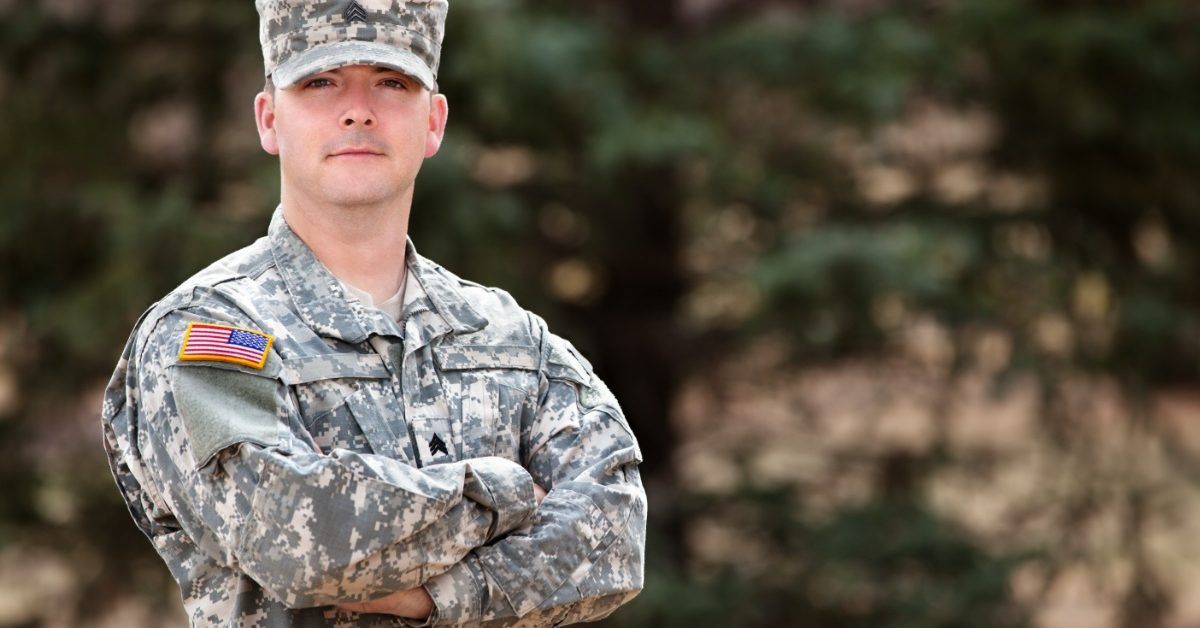
- Getty Images Defense Secretary Pete Hegseth announced that the U.S. military will begin annual screening for testosterone deficiency among service members ages 30 and older.
- Testosterone replacement therapy (TRT) may benefit people with a confirmed deficiency, but there are risks, including impaired fertility.
- A single blood test cannot diagnose low testosterone; other symptoms must also be present.
- Defense Secretary Pete Hegseth announced that the U.S. military will begin screening service members ages 30 and older for testosterone deficiency as part of their annual health…
- Service members under 30 will be able to request testing voluntarily.
The story
- Defense Secretary Pete Hegseth announced that the U.S. military will begin annual screening for testosterone deficiency among service members ages 30 and older.
- Testosterone replacement therapy (TRT) may benefit people with a confirmed deficiency, but there are risks, including impaired fertility.
- A single blood test cannot diagnose low testosterone; other symptoms must also be present.
Defense Secretary Pete Hegseth announced that the U.S. military will begin screening service members ages 30 and older for testosterone deficiency as part of their annual health assessments.
In a video posted on X, Hegseth framed the initiative as a way to “optimize” health and combat readiness.
“Under the supervision of our world-class medical professionals, war fighters age 30 and older are going to be tested annually as part of their periodic health assessment,” Hegseth said.
Service members under 30 will be able to request testing voluntarily. Those who are diagnosed with low testosterone may be offered testosterone replacement therapy (TRT), although treatment is voluntary.
Testosterone is an important sex hormone that helps regulate muscle mass, libido, mood, energy, and more. Levels tend to decline gradually with age, but low testosterone, which is clinically known as hypogonadism, can also result from a variety of factors, including injury, lifestyle, and disease.
Hegseth said the program would help keep troops on the “leading edge of lethality” by supporting their physical and psychological readiness. However, experts interviewed by Healthline raised concerns about the program.
“I do not believe routine testosterone screening of every service member beginning at age 30 is medically justified based on the evidence currently available,” said Philip Werthman, MD, board certified urologist, men’s health specialist, and director of the Center for Male Reproductive Medicine and Vasectomy Reversal in Los Angeles.
S. Adam Ramin, MD, board certified urologist, urologic oncologist, and medical director of Urology Cancer Specialists in Los Angeles, similarly cautioned that a testosterone blood test may offer little useful information when performed in younger men who do not have symptoms.
“In men who are not exhibiting clinical signs and symptoms of low testosterone, and are under the age of 40, checking a blood test testosterone level may not be informative or required from a medical standpoint,” he said.
Why is the military testing for low testosterone?
Under the new policy, testosterone deficiency screening will be incorporated into an annual health visit known as a periodic health assessment for service members ages 30 and older.
Testing will be optional for younger service members. If additional evaluation confirms testosterone deficiency, an individual can elect to receive TRT.
Hegseth has said the goal is not to push testosterone above its natural range or use the hormone as a performance-enhancing drug. Instead, he described the program as an effort to protect longevity and ensure “the biological foundation to sustain the fight.”
However, the specifics of the program, including what the screening protocol would entail were not clear from the announcement. Experts say those specifics matter, since a single low testosterone reading from a blood test is not sufficient to diagnose testosterone deficiency.
“Making a diagnosis is not based on just one test,” said Lawrence Jenkins, MD, Associate Chair of Urology & Director of Men’s Health at Tulane University School of Medicine. “It is based on two low levels plus symptoms. So, just doing one screening test is not going to meet any diagnosis criteria.”
Testosterone levels fluctuate throughout the day and may also vary from one day to another. They are influenced by many lifestyle factors, including sleep, food intake, illness, medications, body weight, and physical activity.
For military service members, the physical and psychological demands of training and deployment could temporarily suppress hormone levels.
“An abnormal testosterone level obtained during deployment, sleep deprivation or severe training should not automatically lead to lifelong therapy. Repeat testing should generally occur after reversible factors have been addressed,” Werthman cautioned.
Without a rigorous screening protocol, the program could potentially expose healthy service members to unnecessary treatment.
But Ramin told Healthline that the right kind of screening, and not just relying on a blood test, might be appropriate.
“If by testosterone screening we mean asking questions about symptoms of low testosterone and performing a physical exam, then the screening is indicated as part of a yearly men’s health examination,” Ramin said. “In patients who do exhibit symptoms or physical signs of low testosterone, then the blood test would be indicated.”
TRT may impact fertility in younger service members
TRT can improve symptoms in males who have consistently low testosterone.
Possible symptoms of testosterone deficiency may include:
- reduced sexual desire
- erectile dysfunction
- decreased muscle mass
- fatigue
- reduced bone density
- infertility
Many of these symptoms are nonspecific, meaning they can have causes unrelated to testosterone.
However, the treatment also carries risks that require individual assessment and ongoing monitoring.
For younger service members, experts said fertility is among the most pressing concerns.
“My greatest concern in this young population is fertility,” Werthman said. “Exogenous testosterone suppresses normal sperm production and may result in infertility or prolonged subfertility. Many service members have not yet completed their families.”
Fertility may recover after treatment is discontinued, but that process is not always predictable.
“It’s recoverable sometimes, but not 100%,” said Jenkins.
For that reason, Werthman told Healthline that fertility counseling should be mandatory prior to treatment.
Other serious risks of TRT include lowered HDL (“good”) cholesterol, acne, and sleep apnea.
Since 2015, TRT has carried a warning about increased risk of cardiovascular events, including heart attack and stroke.
However, in 2025, the Food and Drug Administration (FDA) recommended removing that warning following the results of the TRAVERSE trial, a large randomized, placebo-controlled trial that found TRT was not associated with a higher rate of heart attack or stroke than placebo.
Prostate health is another consideration.
“While testosterone replacement does not cause development of prostate cancer, if a man already has prostate cancer and that man is placed on testosterone therapy, then his prostate cancer may grow faster,” Ramin said. “Therefore, it is important to perform prostate cancer screening in patients who are placed on testosterone replacement.”
Does ‘high T’ improve combat performance?
Testosterone plays a clear role in physical health. Experts told Healthline that identifying and treating it in service members who genuinely have the condition could help them function better.
“There is good evidence that low testosterone leads to many suboptimal physical and psychological problems,” Ramin said. “These physical and psychological problems will directly affect the job performance of anyone, especially those in the military.”
However, maintaining healthy testosterone levels is different from pursuing an unusually high level. More testosterone does not necessarily translate into better health or improved combat performance, particularly when a person’s levels are already typical.
“There is evidence that testosterone can improve muscle mass and strength,” Werthman said. “However, there is far less evidence that routine population-wide screening and treatment of asymptomatic service members improves military readiness, combat effectiveness, or long-term health outcomes.”
A successful screening program must be evaluated as a whole, including the number of true cases they identify, the potential for false or misleading results, treatment outcomes, costs, and unintended harms.
Those concerns do not rule out targeted testing. A service member experiencing symptoms consistent with low testosterone should discuss them with a clinician, who can assess other possible causes and order properly timed laboratory tests when indicated.
For the broader military program, experts said the central question is not whether testosterone matters to health. It is whether routinely testing every service member after age 30 produces meaningful benefits.
“Before implementing a broad screening program, the government should demonstrate that it meaningfully improves readiness while outweighing the medical, reproductive, and ethical risks,” Werthman said.
Related Markets
All MarketsMarket data may be delayed. Not financial advice.
Powered by Gab AI
The Story At A Glance
Reading this article now — analysis appears below
💡 AI analysis provides alternative perspectives on current events



