Prebiotic Sodas May Contain Less Fiber and More Sugar Than Advertised
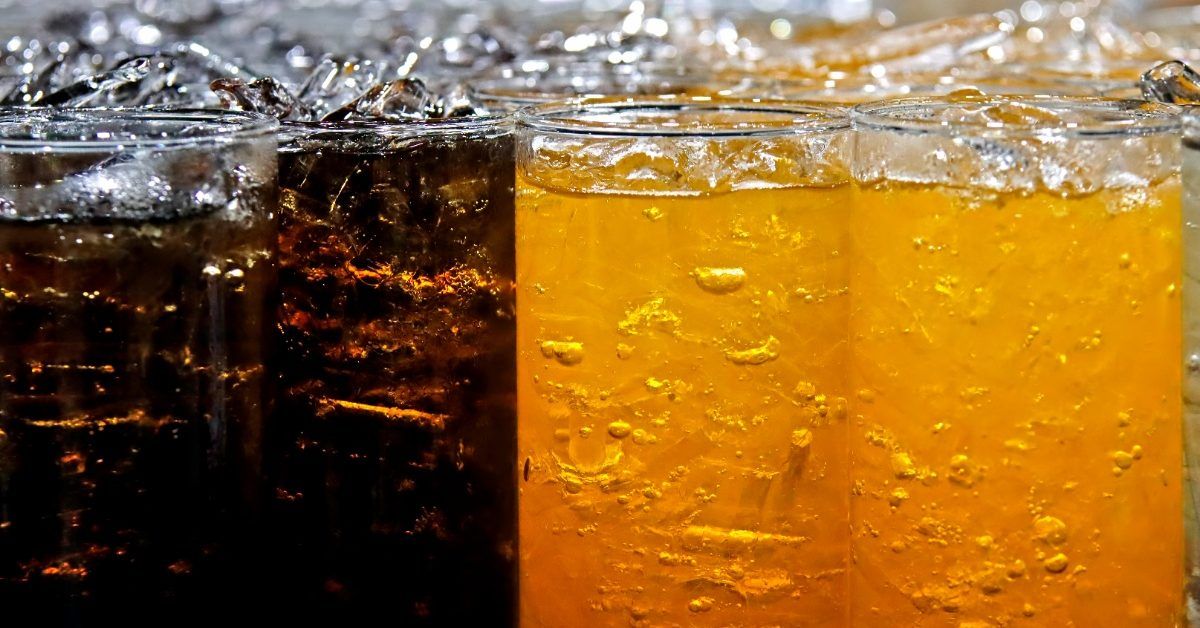
- A new study found that prebiotic sodas may contain more sugar and less fiber than they claim.
- The findings show that a majority of prebiotic sodas contain more sugar than diet sodas and flavored sparkling water.
- Researchers also report that not all prebiotic sodas provide the same amount of fiber.
Prebiotic sodas contain dietary fiber that may support gut health, but some of their benefits may be overstated.
A new study reports that prebiotic sodas may contain more sugar and less fiber than manufacturers claim.
The findings, recently presented at NUTRITION 2026 July 25–28 in Washington, D.C., show that prebiotic sodas may contain more calories and sugar than diet sodas and flavored sparkling water. The study has not yet been published in a peer-reviewed journal.
“Because frequent intake of sugary drinks is associated with obesity, type 2 diabetes, and other chronic diseases, prebiotic sodas may appeal to consumers as an alternative,” said lead study author Carlos R. Soto Díaz, MPH, a PhD candidate at the University of North Carolina at Chapel Hill.
“They are commonly marketed as lower-sugar beverages that offer familiar soda and juice flavors while also providing fiber. These products have grown rapidly and are becoming more visible in popular culture. At the same time, lawsuits involving major brands have raised questions about whether some marketing claims accurately reflect their nutritional content,” Soto Díaz told Healthline.
Prebiotic sodas may contain less fiber, more sugar
To examine the nutritional value of prebiotic sodas, researchers used the Mintel Global New Products Database to collect data on 108 prebiotic sodas launched in the United States from 2021 to 2025.
They compared the nutritional content of the prebiotic sodas to that of regular, diet, fruit drinks, and flavored sparkling waters launched during the same period.
On average, researchers found that prebiotic sodas contained, per a 12-oz can:
- 35 calories
- 5 grams of sugar
- 5 grams of fiber
“These findings show that prebiotic sodas… are not necessarily calorie- or sugar-free and generally contain more calories and sugar than diet sodas and flavored sparkling waters,” Soto Díaz said.
“This is important because they may help reduce calorie and sugar intake when they replace regular soda or fruit drinks, but they may increase intake when they replace diet soda or flavored sparkling water.”
The researchers also found that the amount of fiber in prebiotic sodas ranged from about 2 to 9 grams per can.
“The wide range shows that not all prebiotic sodas provide the same amount of fiber,” Soto Díaz explained.
“Some may contribute a meaningful amount toward daily fiber intake, while others contain relatively little, so consumers should check the amount listed on the nutrition facts label rather than relying only on the word ‘prebiotic’ or other marketing claims.”
What does ‘prebiotic’ actually mean?
Prebiotics are a type of fiber found in certain vegetables, fruits, and other plant-based foods that help act as food for the “good” bacteria — or probiotics — in the microbiome and help improve digestion.
Monique Richard, a registered dietitian nutritionist and owner of Nutrition-In-Sight, said this study is useful for raising awareness that the word ‘prebiotic’ on products like soda may be marketed to suggest it does more than the evidence supports. Richard wasn’t involved in the study.
“This study reveals important information about the nutritional composition of these products despite their ‘health halo’ image as ‘good-for-you’ and encourages us to remain curious about the benefits, or lack thereof, of drinking a prebiotic soda,” she told Healthline.
“When a can says ‘prebiotic,’ ‘fiber,’ ‘gut health,’ or ‘plant-based,’ it can be very easy to mentally translate that into ‘healthy,’ ‘good for me,’ and ‘need to buy now.’”
Rudolph Bedford, MD, a board certified gastroenterologist at Providence Saint John’s Health Center in Santa Monica, CA, noted that marketing can be misleading. Bedford wasn’t involved in the study.
“The prebiotics are there — the sodas aren’t a scam,” Bedford told Healthline. “And they’re better than regular sodas, but they’re not equivalent to eating a high fiber diet. So some marketing can make them seem more beneficial than what this study and the evidence support.”
Richard added that prebiotic sodas vary in composition, and the amount of fiber to be considered ‘prebiotic’ has not been standardized.
“Also keep in mind that ‘contains prebiotic fiber’ is not necessarily equivalent to ‘this beverage has been demonstrated to be a health-promoting prebiotic,’” he said.
Healthier ways to get your daily prebiotics
Supporting gut health isn’t a magic bullet, Richard said. It’s about the consistency and diversity of what you feed your body — and your gut microbes — daily.
“In order to optimize supporting the gut microbiome, focus on eating fiber rather than looking for it in a drink,” he said.
Richard noted that prebiotic fibers naturally occur in:
“A simple bowl of oatmeal with berries and chia, lentil soup with onions and garlic, or a bean-and-vegetable grain bowl can provide a much more diverse package of fibers and plant compounds than a single isolated fiber added to a beverage,” Richard said.
“The goal isn’t to take the fun out of food or tell people they can’t enjoy a soda, but to help people recognize the difference between a product that contains something beneficial and a dietary pattern that consistently delivers health benefits,” he said.
Related Markets
All MarketsMarket data may be delayed. Not financial advice.
💡 AI analysis provides alternative perspectives on current events



