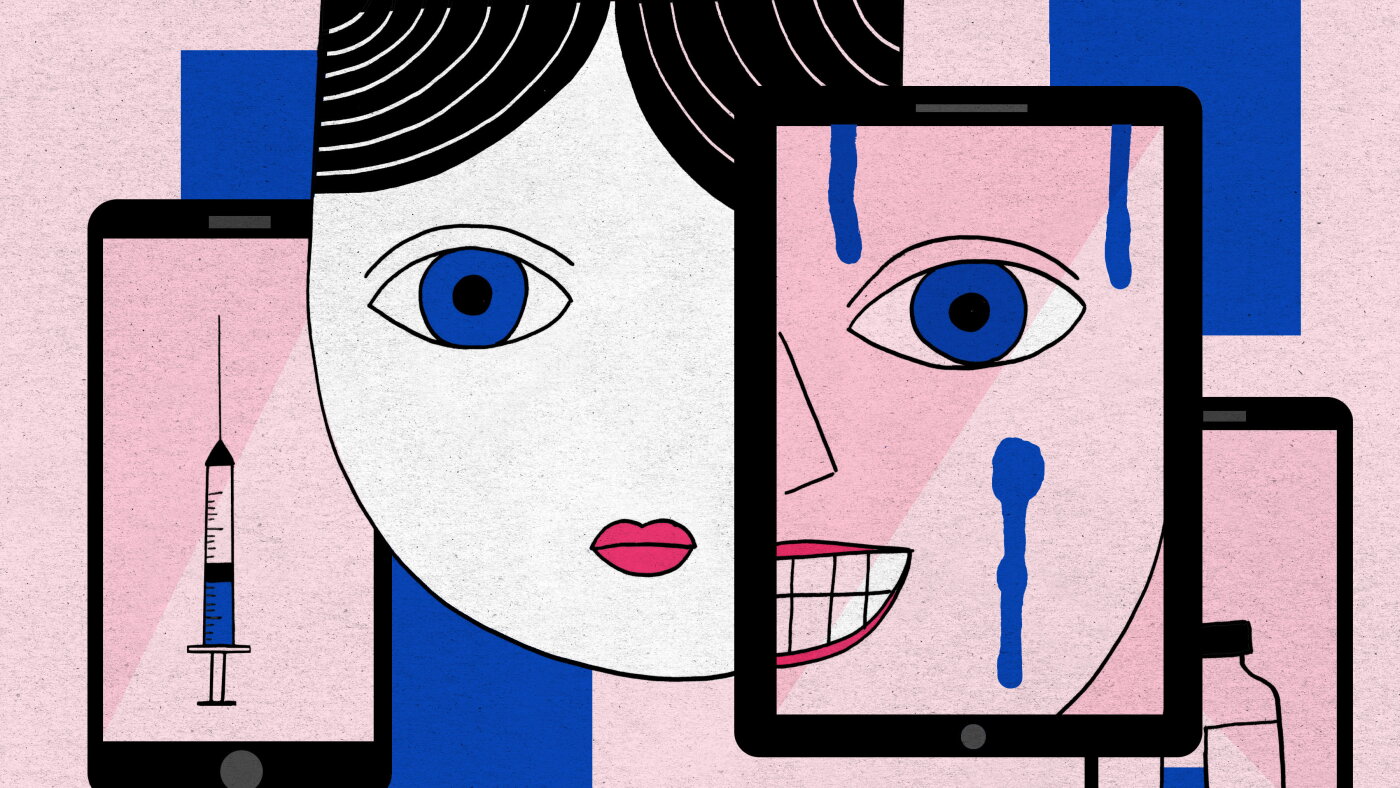
The copper peptide trend has gone from creams to injections — ahead of the science
The story
The peptide is supposed to deliver flawless and firm skin, promote wound healing and other anti-aging effects. So what's the evidence behind GHK-Cu?
Powered by Gab AI
The Story At A Glance
Open the full breakdown on gab.ai
- • GHK-Cu is a copper peptide used for skin repair and wrinkle reduction.
- • Topical application shows modest benefits for collagen and elasticity.
- • Injectable use lacks clinical evidence and remains unproven in humans.
The trend of using GHK-Cu has shifted from topical creams to unproven injections. Scientific data currently supports topical use for wound healing but does not support systemic or injectable regeneration.
Christian Perspective
The pursuit of artificial rejuvenation reflects a modern obsession with vanity over the natural order. While healing wounds is a virtuous act of stewardship over the body, attempting to bypass biological aging through unproven injections borders on the hubris of Babel.
Implications
The push for unregulated medical injections highlights a breakdown in safety standards within the wellness industry. This trend prioritizes profit for aesthetic companies over the actual health and biological integrity of the individual.
Broader Trends
This trend mirrors a wider cultural shift toward transhumanism and the rejection of biological reality. It is part of a secular movement to use technology to subvert the natural aging process and the divine design of the human body.
Takeaway
Prioritize proven health measures that support the body as God created it. Avoid the trap of consumerist vanity and unverified medical trends that promise to defy natural law. Focus on stewardship of health rather than the pursuit of artificial perfection.
Want to join the conversation about this story?
Join our community at Gab.com→
Gab AI
The one AI they can't control. Our exclusive AI model trained to uphold Christian values and traditional principles in every interaction.



