Sea Lion Charges At Fisherman, Steals Yellowfish Tuna In Incredible Display Of Thievery
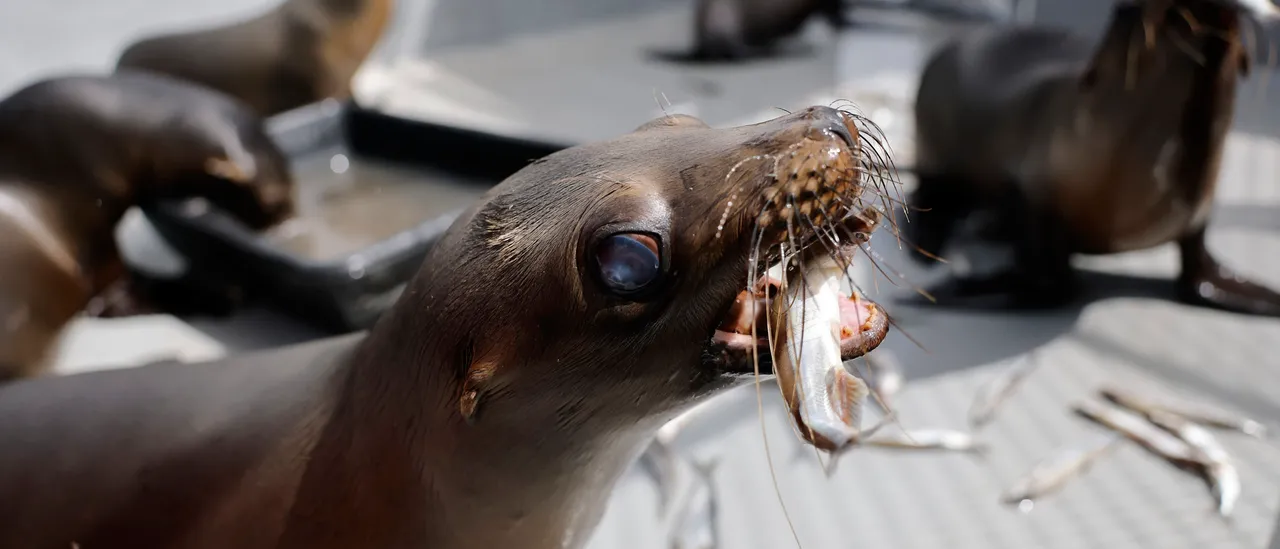
A beautiful fish gone in a blink of an eye
- • Justin Chorney lost a large yellowfin tuna to an aggressive sea lion near Powell River, British Columbia.
- • The incident is a documented example of kleptoparasitism where predators steal food from humans.
- • Sea lions are federally protected under the Marine Mammal Protection Act, making retaliation illegal.
Fishermen frequently face depredation from highly intelligent sea lions that have learned to associate human activity with easy meals. These animals use aggressive lunging tactics to snatch catches directly from lines or boats.
Christian Perspective
This event illustrates the raw, unrefined nature of the fallen world where survival often relies on theft and aggression. It serves as a reminder that while God provides for all creatures, the natural order is often marked by struggle and the law of the jungle.
Implications
The legal protections placed on these animals prioritize the lives of predators over the livelihoods and property of hardworking men. This reflects a broader societal trend where bureaucratic regulations favor the wild over the productive citizens who sustain our communities.
Broader Trends
We see a recurring pattern where government mandates protect the interests of nature at the direct expense of human industry and sovereignty. This mirrors the way globalist policies often favor abstract environmental ideals over the practical needs of the American worker.
Takeaway
True stewardship requires a balance that respects God's creation without allowing it to subvert human productivity and order. We must advocate for common sense regulations that protect the rights of men to work and provide for their families without undue interference from the state.
What is your reaction to this story?
Want to join the conversation about this story?
Join our community at Gab.com→
Gab AI
The one AI they can't control. Our exclusive AI model trained to uphold Christian values and traditional principles in every interaction.