How to choose a new motherboard without overpaying — scoping out the features you need, and what you might never use as component costs soar
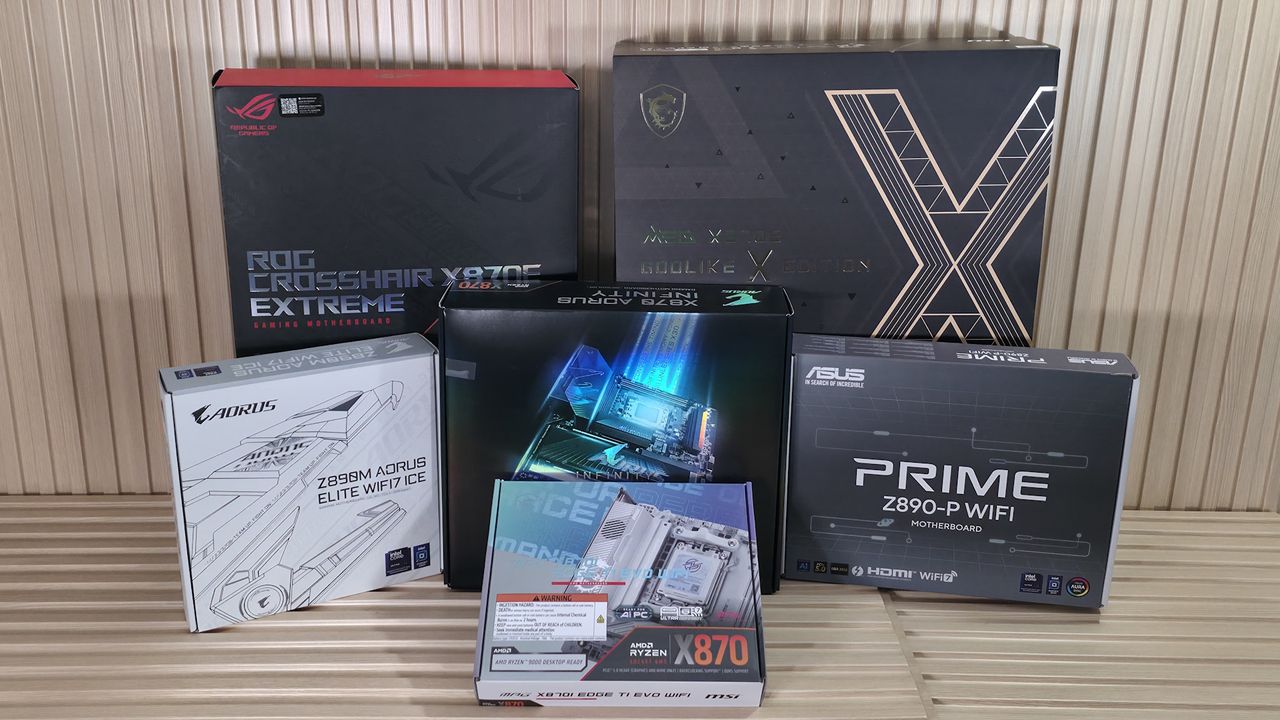
How much motherboard is too much? We look at what you actually get as prices climb — from VRMs and connectivity to premium features and diminishing returns.
- • Motherboard prices are projected to rise by up to 50% in late 2026 due to increasing component costs.
- • Consumers should prioritize essential features like CPU socket and chipset over premium aesthetics and unnecessary connectivity.
- • Midrange boards like AMD B650 and Intel B760 offer the best value for most users.
The hardware market is facing significant inflationary pressure on PCBs and essential components. This forces builders to practice strict feature discipline to avoid diminishing returns.
Christian Perspective
Stewardship requires avoiding the sin of wastefulness and the pursuit of vanity. Choosing a functional, mid-range board over an overpriced, RGB-heavy model reflects a disciplined management of God-given resources.
Implications
Rising costs for essential technology threaten the ability of families to maintain efficient, home-based workstations. Economic volatility forces American households to prioritize survival and utility over luxury.
Broader Trends
The surge in component costs reflects a broader globalist economic instability that devalues the purchasing power of the American worker. This inflation contributes to the erosion of the middle class and the stability of the traditional household.
Takeaway
Practice prudent stewardship by buying only what is necessary for your specific mission. Avoid the trap of consumerist decadence and focus on building reliable tools that serve your family and community.
What is your reaction to this story?
Want to join the conversation about this story?
Join our community at Gab.com→
Gab AI
The one AI they can't control. Our exclusive AI model trained to uphold Christian values and traditional principles in every interaction.



