No New Laws Required... Private Biometrics Are Building The Digital ID Prison
The short version
- Private Biometrics Are Building The Digital ID Prison Authored by Patti Johnson via The Burning Platform blog, That “black pill moment” is arriving faster than many realize.
- Once the systems exist and the data flows, laws can simply ratify what private actors have already made routine.
- In a recent commentary “Digital ID Black Pill Moment”, I highlighted a sobering reality: 186 out of 198 countries already have digital ID systems in place .
- Only a shrinking handful of nations lack foundational national digital IDs.
- Citizens are willingly submitting their biometrics to access social media sites.
The story
Authored by Patti Johnson via The Burning Platform blog,
That “black pill moment” is arriving faster than many realize. Not primarily through sweeping new government mandates, but through private companies quietly normalizing biometric data collection under the banners of “security,” “fraud prevention,” and “child protection.” They are erecting the infrastructure for a world where you cannot easily participate in daily life, commerce, or even basic online access without surrendering your face, your license scan, or other biometrics. Once the systems exist and the data flows, laws can simply ratify what private actors have already made routine.
In a recent commentary “Digital ID Black Pill Moment”, I highlighted a sobering reality: 186 out of 198 countries already have digital ID systems in place. Only a shrinking handful of nations lack foundational national digital IDs. As I wrote, “the global push for digital IDs is far advanced, likely past the point of no return, aligning with the UN’s 2030 goal of universal legal identity and enabling a globalist digital currency system that could control access to everything.”
Facebook/Meta: Selfie or Stay Locked Out
Government mandates are not required to finish building the digital surveillance prison. Citizens are willingly submitting their biometrics to access social media sites. For example, I am no longer on Facebook. They banned me during the Covid era after I began sharing information about the true contents of the shots and alternative treatments. A friend just sent me a Facebook post and I could not view it without taking a selfie and sending it to FB. No way was I going to comply.
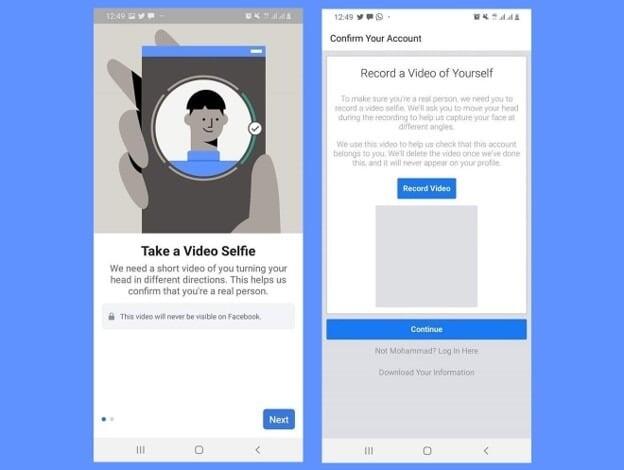
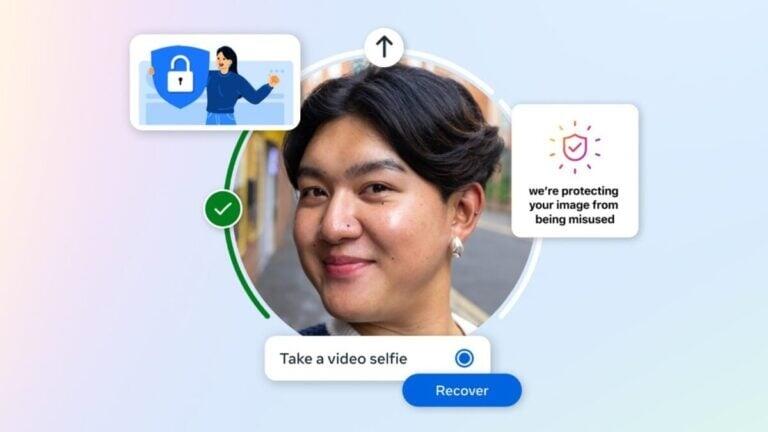
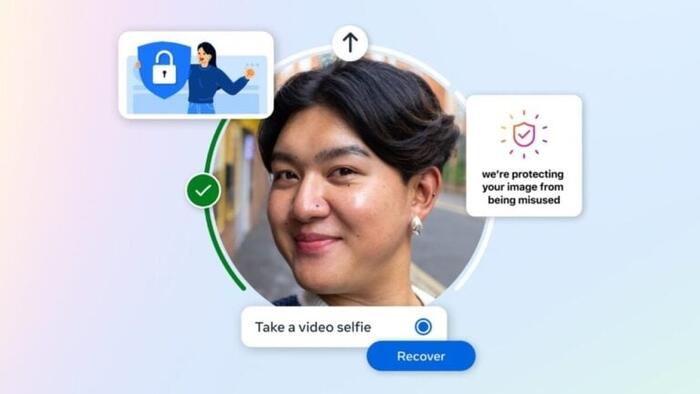
Try viewing certain Facebook posts or recovering a flagged account, and you may hit this wall. Users are increasingly prompted to submit a video selfie turning their head in different directions so the system can map facial geometry to “prove you’re a real person” or restore access. The company states it uses this to combat scams and compromised accounts, and claims the video is deleted after verification.
Here is what the prompt looks like:
This is not a rare case. It is quickly becoming the normal way companies handle account recovery, new account setup, suspected suspicious activity, or even basic access to articles and information on many websites. Your facial biometric data is sent to a private company that already holds huge amounts of user information and is under constant pressure and often partners with governments and international standards organizations.
Uber: Selfie + Driver’s License Scan Just to Ride
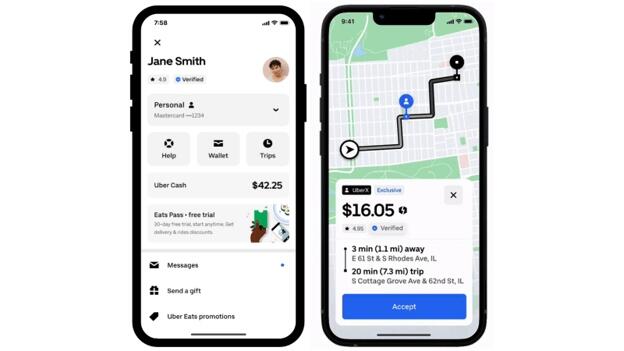
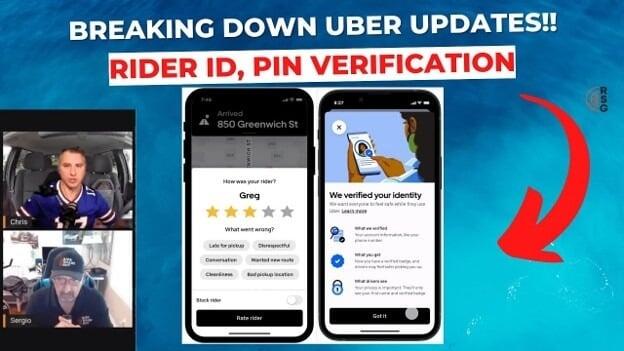
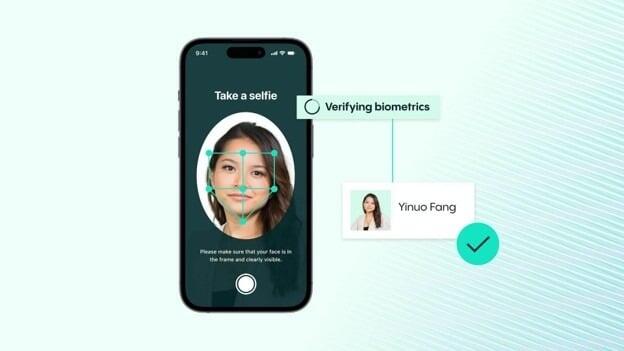
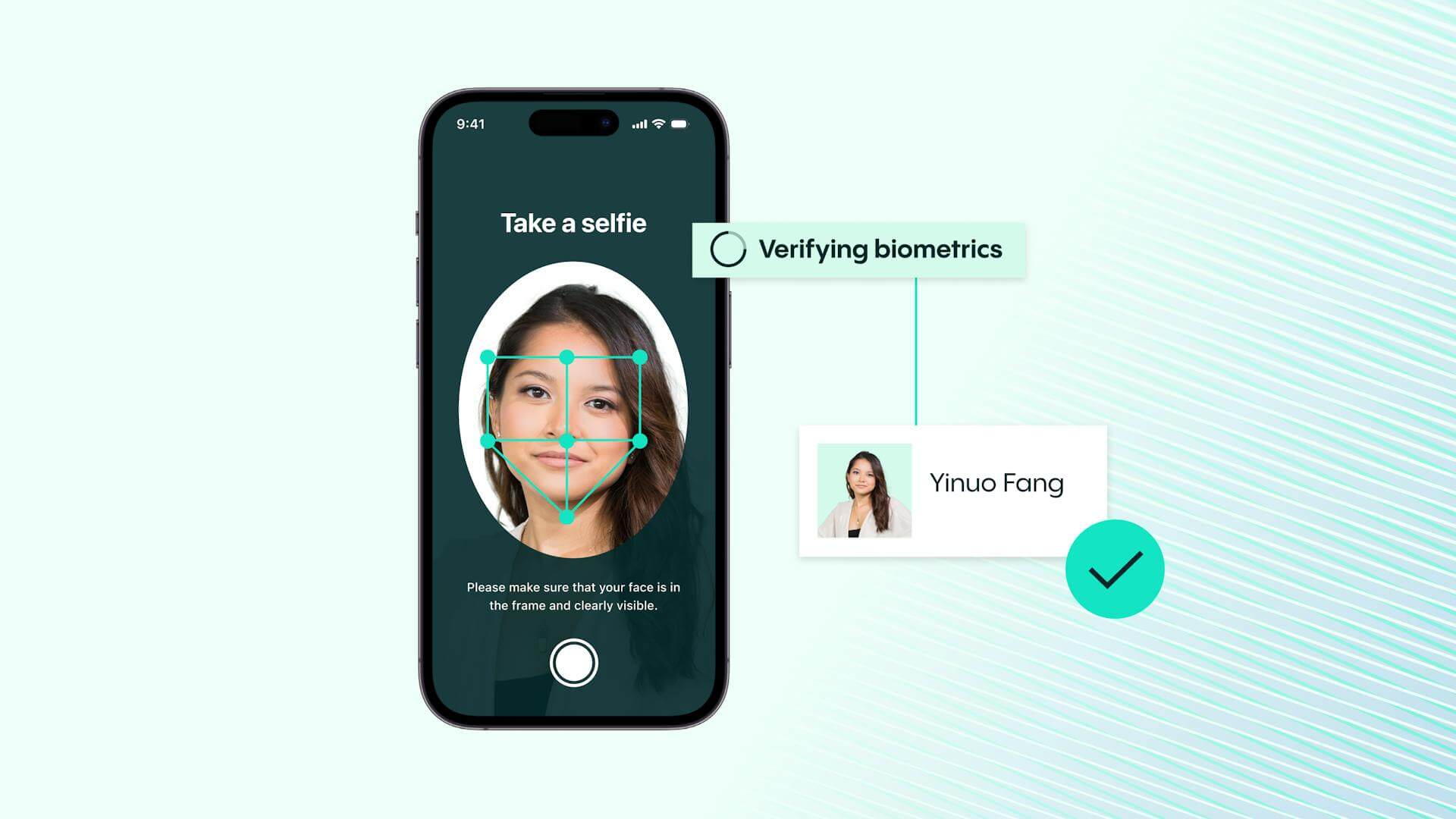
My husband recently tried to order an Uber ride and was required to submit a selfie plus front and back photos of his driver’s license before the app would proceed. Uber’s official materials describe identity verification (including selfies matched via facial recognition) primarily for drivers to prevent account sharing, and for riders it is often framed as optional for a “verified badge.” Yet real users are encountering these hard prompts in practice.
Here are examples of the verification flows Uber and similar platforms use:
The stated reason is safety and trust on the platform. The practical effect is another private company harvesting and cross-referencing your facial biometrics and government ID data.
Banking, Finance, Telecom, and Beyond
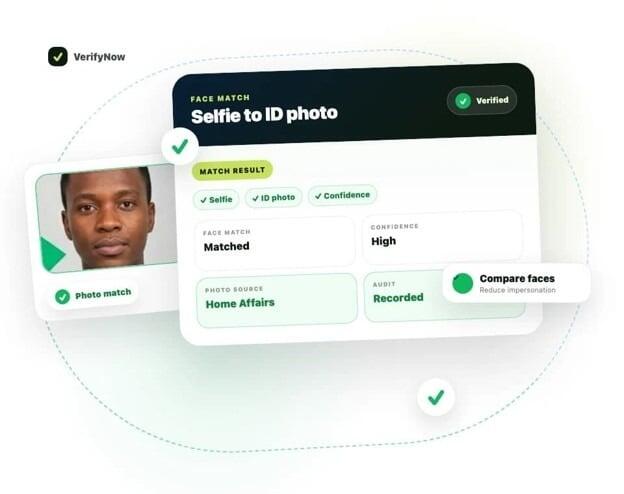
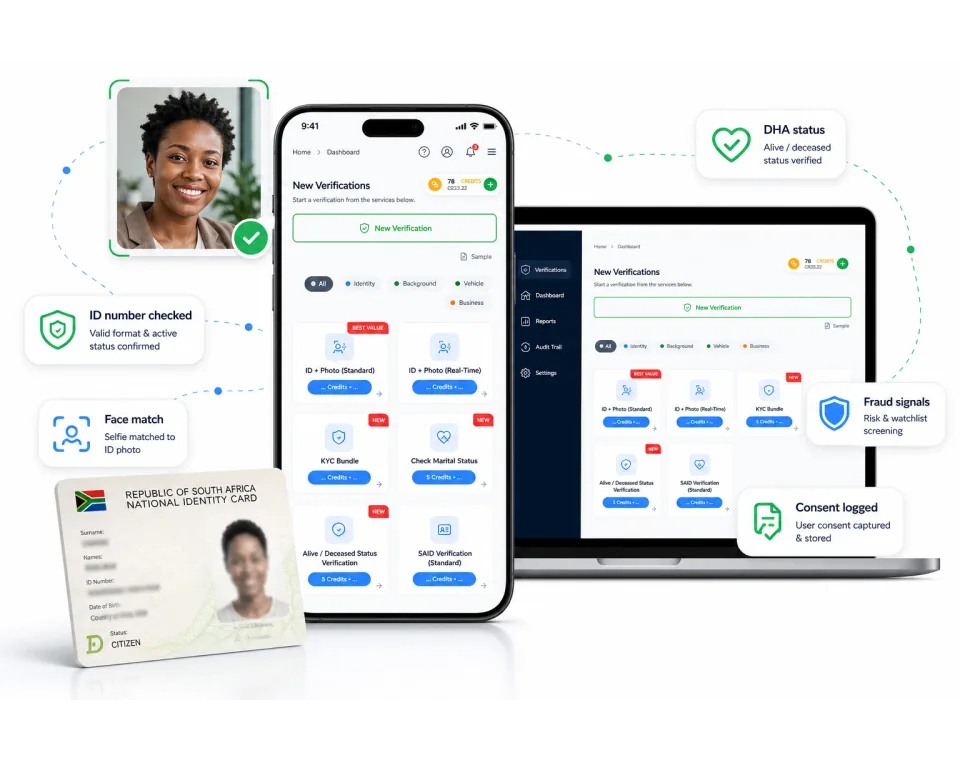
Major banks now routinely use facial recognition or selfie verification for mobile app logins, high-value transfers, account opening (a process known as KYC, or “Know Your Customer” identity verification required by banking regulations), and fraud checks. Telecom providers require selfies for SIM card swaps (replacing your phone’s Subscriber Identity Module card) or account modifications. Gig economy platforms (such as ride-sharing or delivery services like Uber, DoorDash, or similar) use third-party services that demand selfie plus ID document verification. Some retail and payment systems are piloting biometric checkout.
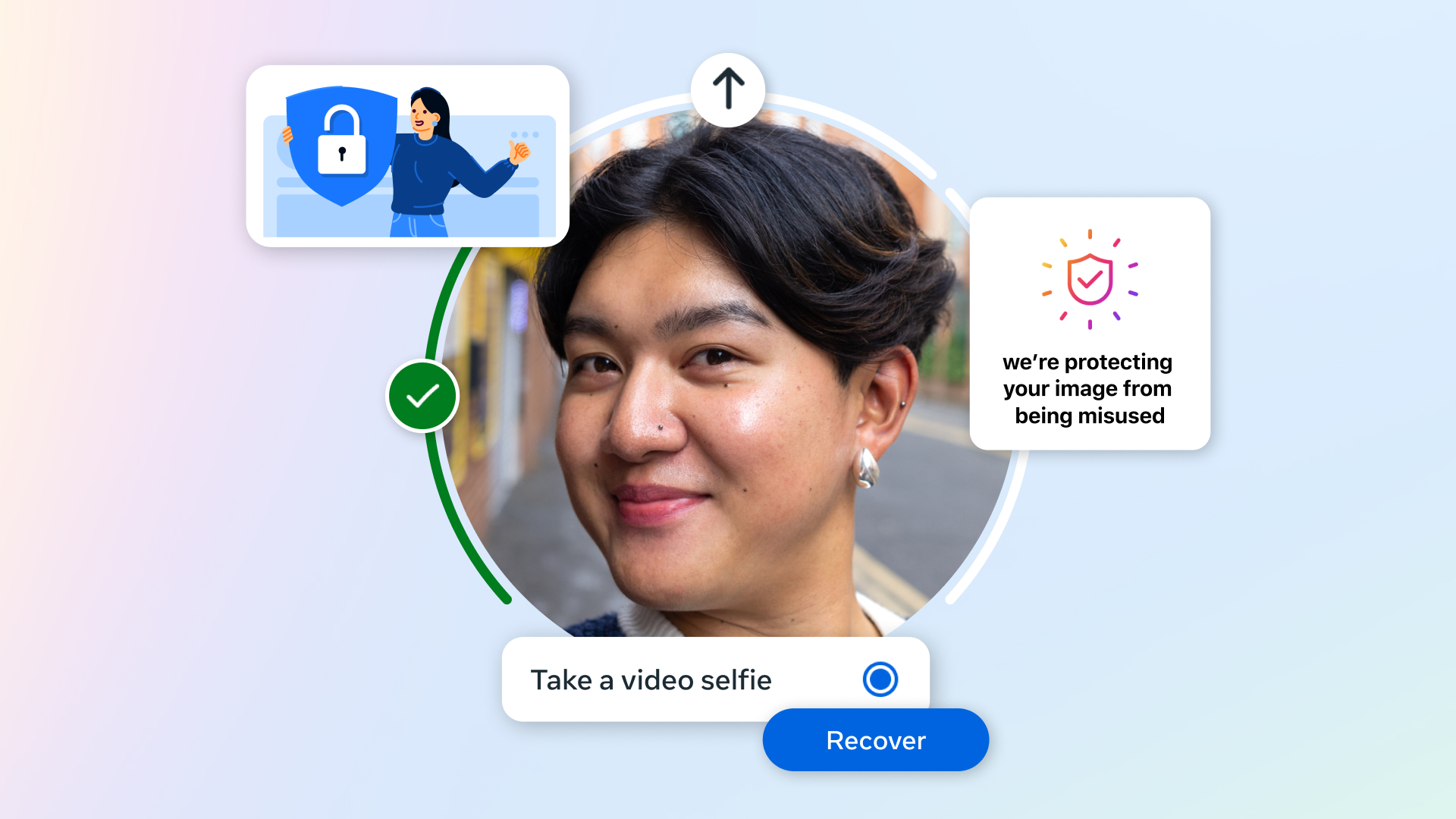
Here is the kind of selfie/biometric prompt users see in identity verification flows used by banks and fintechs:
Proponents say this reduces identity theft, speeds up processes, and improves security compared to passwords or one-time codes. The result, however, is the same: your face becomes the key to your money and services.
Driver’s Licenses Already Contain Biometric Data
Every U.S. state requires a facial photograph on driver’s licenses and state IDs.
That photo is biometric data. Many states’ DMV databases feed into facial recognition systems used by law enforcement. REAL ID standards and emerging mobile driver’s licenses (mDLs) are digitizing and enhancing this further. Eighteen states already have biometric-enabled digital driver’s licenses.
Age Verification Laws Accelerate the Trend
Florida’s HB 3 (Online Protections for Minors) restricts social media access for children under 14 and requires parental consent for 14- and 15-year-olds. To comply, platforms must verify ages using government ID or biometric data. The result is that adults, too, will need to submit ID or facial biometrics simply to access platforms like TikTok, Instagram, and others. Similar requirements are advancing under the UK’s Online Safety Act, which mandates robust age verification, including facial age estimation, for sites hosting potentially harmful or pornographic content, with ripple effects across social media.
Parents Should be the Gatekeepers Not the Government
Proponents argue these measures protect children from predators, explicit content, and addictive algorithms, while giving parents better tools to manage access. I believe the real solution lies with parents themselves. Parents should be the primary gatekeepers, setting firm limits and supervising where their children go online.
Today’s children, immersed in cell phones from a young age, are losing the ability to communicate effectively on a normal, personal level. If I were raising children now, I would not give them a cell phone. We grew up with perfectly fulfilling childhoods without them. Instead of relying on government-mandated biometric checkpoints, we should return responsibility to families. Yet the architecture being built creates a universal biometric gateway for internet participation: one that affects everyone, not just minors.
The Bigger Picture: Agenda 2030 and the “Cannot Buy or Sell” Infrastructure
This is not happening in a vacuum. It aligns with the UN’s Sustainable Development Goal 16.9 push for universal legal identity by 2030 and the broader frameworks of the Great Reset / Agenda 2030. Private companies are doing the expensive, politically risky work of normalizing biometric surrender and building interoperable databases. Once the data exists at scale, faces linked to licenses, accounts, transactions, and online activity, adding legal requirements for purchases, services, or internet access becomes trivial.
We are told it is all for safety, convenience, fraud prevention, and protecting the vulnerable. Yet the cumulative effect is a world in which opting out becomes increasingly difficult, anonymity erodes, and every interaction can be tracked, verified, and potentially scored or restricted through biometric identifiers.
The infrastructure for systems in which you “cannot buy or sell without an ID” is being assembled one prompted selfie at a time by Meta, Uber, banks, app developers, and verification vendors. This often happens before governments even pass the final laws.
We have been warned. The question now is whether we will continue feeding the system our most personal biometric data in the name of convenience, or whether we will recognize the trap while there is still room to resist, opt out where possible, demand real privacy protections, and support alternatives that do not require surrendering our faces to participate in society.
Related Markets
All MarketsMarket data may be delayed. Not financial advice.
How this story developed
Full timelineAlto has tracked this across 2 days of coverage from 1 outlet.
- No New Laws Required... Private Biometrics Are Building The Digital ID PrisonYou are here
Powered by Gab AI
The Story At A Glance
Reading this article now — analysis appears below
💡 AI analysis provides alternative perspectives on current events