China Eyes Iran's Postwar Reconstruction In Bid To Lock Up Future Oil Supplies
The short version
- The diplomatic groundwork was laid during a recent meeting in New Delhi between Chinese Foreign Minister Wang Yi and the deputy secretary of Iran's Supreme National Security…
- The talks underscore China's broader strategy to expand its economic and diplomatic footprint in the Middle East amid the vacuum left in the wake of one failed US regime change…
- This includes an upcoming deployment of emergency medical supplies to Lebanon, following recent Israeli military strikes in the country.
- However, observers note that the transition from humanitarian relief to large-scale infrastructure development is a key mechanism for Beijing to solidify energy security .
- Nikkei Asia has issued the following commentary on China's long-term plans in the Middle East : Some observers argue that the U.S.-Iran war has strengthened Beijing's presence in…
The story
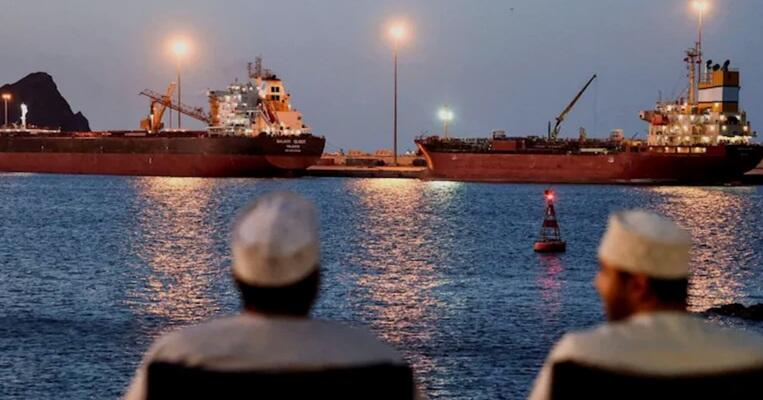
Beijing is positioning itself to lead the post-war reconstruction effort in Tehran - a move analysts suggest could secure China long-term access to critical Iranian oil reserves.
The diplomatic groundwork was laid during a recent meeting in New Delhi between Chinese Foreign Minister Wang Yi and the deputy secretary of Iran's Supreme National Security Council, according to Nikkei Asia. The talks underscore China's broader strategy to expand its economic and diplomatic footprint in the Middle East amid the vacuum left in the wake of one failed US regime change and occupation war after another.
According to the report, Wang signaled Beijing's long-term commitment to the Islamic Republic in the wake of prior weeks of heavy US-Israeli bombing, stating that: "China will continue to provide assistance to Iran while supporting reconstruction and peacebuilding efforts in the region."
To date, China's official involvement has largely centered on humanitarian logistics - at least according to its public-facing narrative.
This includes an upcoming deployment of emergency medical supplies to Lebanon, following recent Israeli military strikes in the country. However, observers note that the transition from humanitarian relief to large-scale infrastructure development is a key mechanism for Beijing to solidify energy security.
Nikkei Asia has issued the following commentary on China's long-term plans in the Middle East:
Some observers argue that the U.S.-Iran war has strengthened Beijing's presence in the Middle East. Rumi Aoyama, a professor at Japan's Waseda University specializing in Chinese diplomacy, called China a "central hub where information on the situation in the Middle East was concentrated."
China has dialogue channels with both Washington and Tehran, and it enjoys friendly ties with mediator Pakistan as an arms supplier. The Iranian and Pakistani foreign ministers frequently visited China during negotiations on ending the war to report on the situation.
The Iran war may also have worked to Beijing's advantage in its dealings with Washington. With the U.S. prioritizing that conflict, it has been forced to ease up its pressure on China with regard to security and trade.
Yet Beijing has still welcomed the memorandum of understanding toward ending the war because stability in the Middle East is crucial for its energy security. Higher fuel and material prices caused by the war have dealt a blow to the Chinese economy.
Tehran, facing severe economic devastation and isolation from Western markets, has welcomed the Chinese overtures. High-level Iranian officials have made it clear they view Beijing not merely as an investor, but as a strategic anchor - akin to how defense ties with Russia have rapidly improved.
China has long been seen by outside observers as focusing on its soft power, such as through Xi's Belt and Road Initiative.
While Western policy has relied heavily on military intervention, Beijing is leveraging capital and reconstruction agreements to cement its influence over the Persian Gulf's energy infrastructure.
As we noted previously, China - the world’s largest oil importer - sharply reduced crude imports after the conflict erupted in late February as prices initially spiked, sending oil imports to a 9 year low, a key reason why oil prices did not spike even higher in the past few months.
Also as Bloomberg has noted, the nation’s sustained slowdown in flows has brought into focus a nationwide shift away from fossil fuels that’s been driven by greater electrification.
Related Markets
All MarketsMarket data may be delayed. Not financial advice.
Powered by Gab AI
The Story At A Glance
Reading this article now — analysis appears below
💡 AI analysis provides alternative perspectives on current events