Bursting Of AI Bubble, Collapse Of Circular Deals Are Among Top Risks To Global Financial System, BIS Warns
The short version
- For instance, chipmakers and hyperscalers take stakes in AI labs or neocloud providers, who in turn commit to multi-year purchases of chips or computing power, the BIS said.
- Data center construction is more frequently outsourced to third parties that lease facilities back to hyperscalers on long-term contracts with embedded exit clauses.
- Source: Morgan Stanley “The terms of such deals are typically poorly disclosed, with risks of the same asset being pledged multiple times,” officials wrote.
- The BIS’s separate warning of a possible return of inflation jars with some initial optimism that the current energy shock caused by the Middle East crisis might recede.
- Signs of progress over a peace deal this week brought the oil price down to levels below where they were when the Iran war broke out in late February.
The story
An artificial-intelligence bust (and thus bubble), inflation and fiscal stress are the three the most alarming threats to global prosperity at present, the Bank for International Settlements warned. In its annual report published on Sunday, the Basel-based institution - better known as the central banks' central bank - cited those on a list of “pressure points” that currently “demand attention,” with underlying financial vulnerabilities lurking that could amplify any shock.
“The global economy remains caught in the crosscurrents of progress and peril,” Basel officials said in the report. “Resilience is being increasingly tested and strained.”
The assessment highlighted AI-led risks prominently in a report that arrived on the eve of the ECB’s three-day annual symposium in Sintra, where a host of global policymakers will also scrutinize such stability dangers closely.
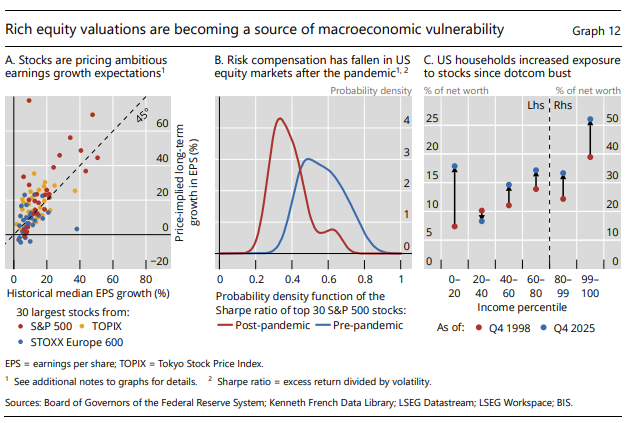
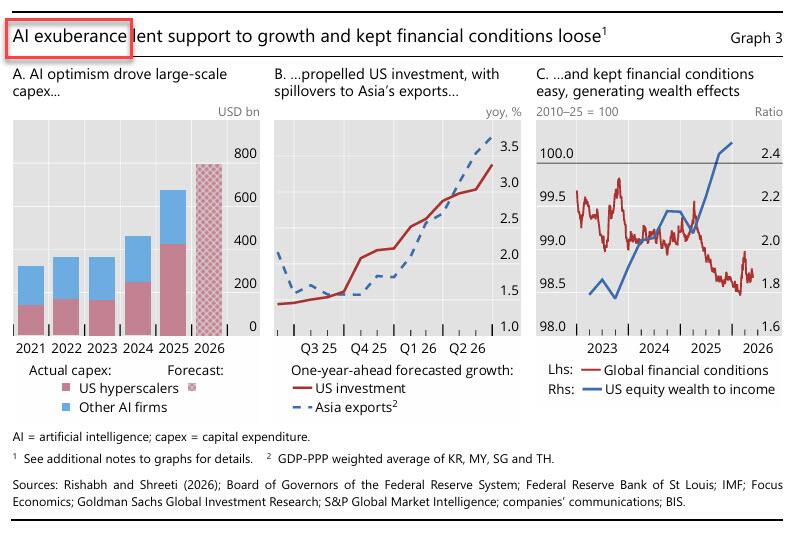
“Disappointment in returns could trigger a sudden pullback in financing and turn the capex boom into a protracted investment bust, with potential knock-on effects on financial conditions,” the BIS said, before observing that “a major equity-market correction could have larger macroeconomic consequences today than in the past.”
Besides AI, the Basel officials went on to note that other assets could face similar dangers, and highlighted credit in particular.
“Repricing of risk this time, whether triggered by higher interest rates or an AI bust, has the potential to be similarly disruptive” in that segment to the 2008 Global Financial Crisis, the BIS said.
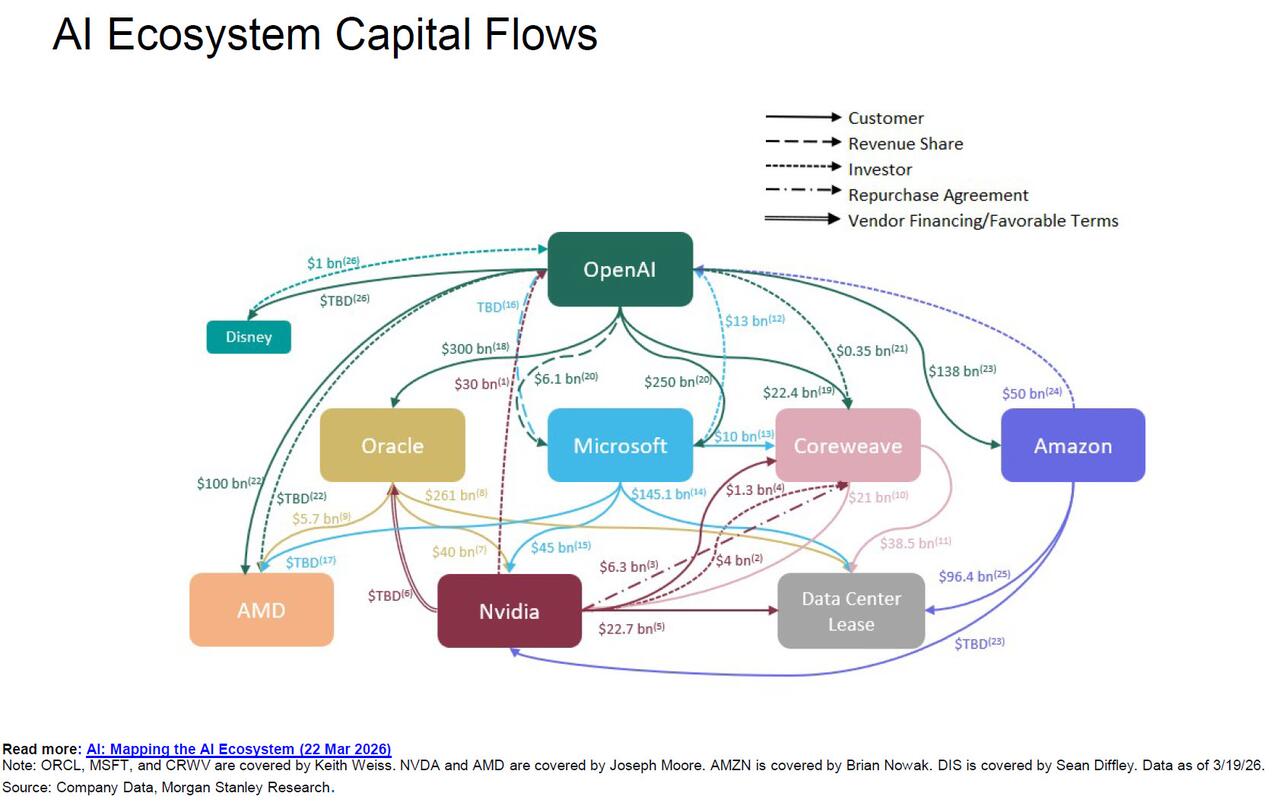
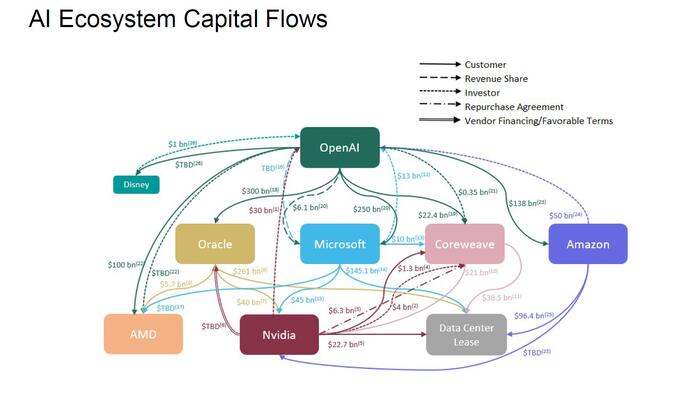
On AI specifically, officials highlighted vulnerabilities linked to funding, including complex arrangements such so-called “circular financing” deals that can mix equity and debt with supplier-client contracts (as discussed here "The $1.8 Trillion Off-Balance Sheet Time Bomb At The Heart Of The AI Supercycle").
For instance, chipmakers and hyperscalers take stakes in AI labs or neocloud providers, who in turn commit to multi-year purchases of chips or computing power, the BIS said. Data center construction is more frequently outsourced to third parties that lease facilities back to hyperscalers on long-term contracts with embedded exit clauses.
“The terms of such deals are typically poorly disclosed, with risks of the same asset being pledged multiple times,” officials wrote.
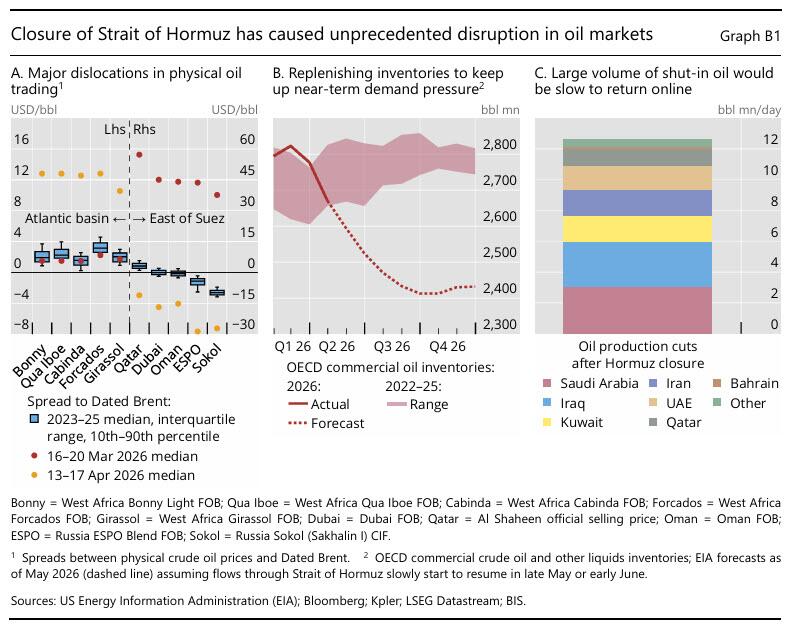
The BIS’s separate warning of a possible return of inflation jars with some initial optimism that the current energy shock caused by the Middle East crisis might recede. Signs of progress over a peace deal this week brought the oil price down to levels below where they were when the Iran war broke out in late February.
BIS officials, in tune with peers at institutions such as the ECB, also worry that the disruption to energy supplies may not be over, that infrastructure will take time to rebuild, and that existing impacts could linger.
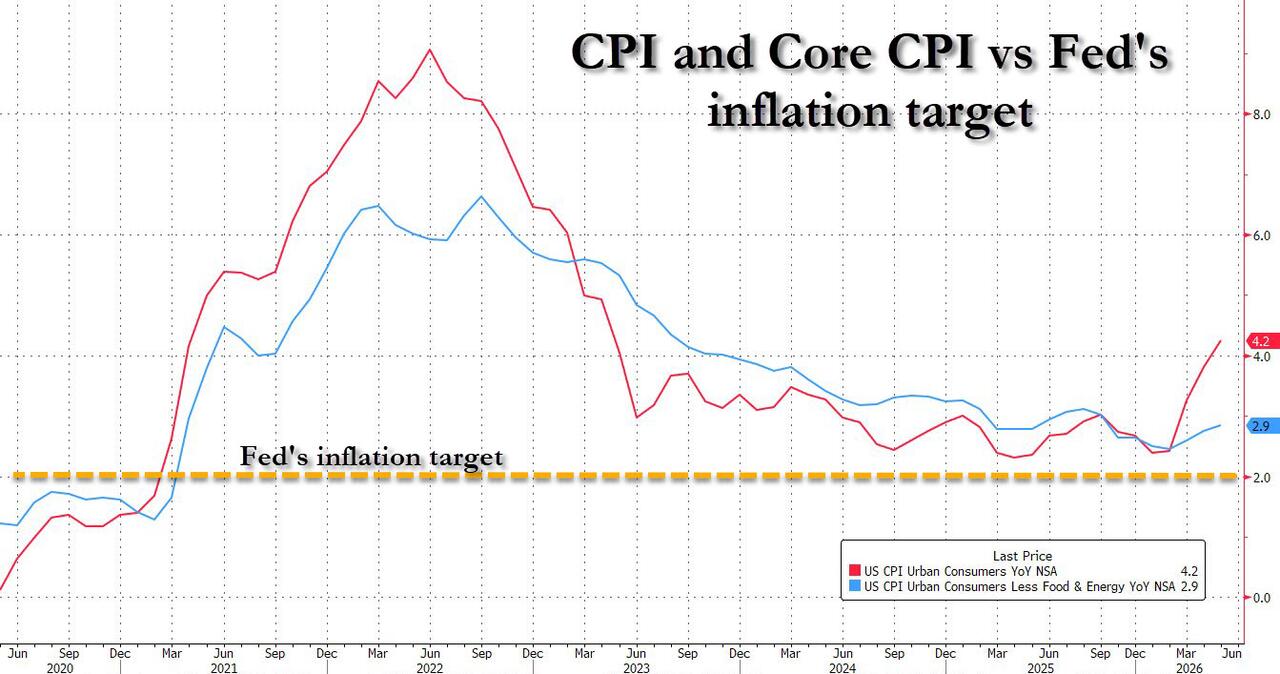
That followed US data last week showing prices rising at the fastest pace in more than three years, and precedes numbers in coming days that may show euro-zone inflation still far above officials’ 2% target.
The last cost-of-living shock in 2022 “is still in the memory of economic agents,” BIS chief Pablo Hernandez de Cos told reporters, intending no puns with the whole "memory" thing, and noting that this can mean a “higher probability of second-round effects.”
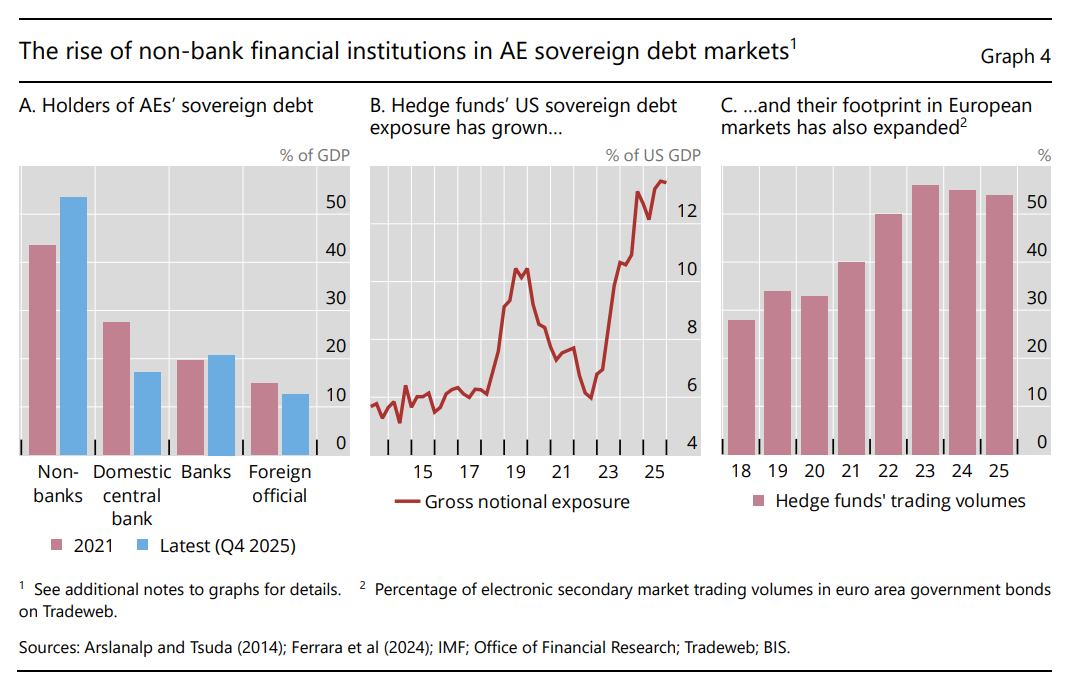
The BIS also highlighted what has become a familiar warning about how fiscal dangers posed by high sovereign debts still loom large, with added complications given the other risks. Echoing counterparts such as the Paris-based OECD, it pointed to how hedge funds have become much more prominent as buyers of government bonds, often using funding that can quickly unwind when conditions deteriorate as part of their massively levered basis trades.
“These hedge funds employ highly leveraged strategies that rely on short-term financing on favorable terms, creating risks of fire sales and de-leveraging feedback loops,” the BIS said. “Financial stresses can now propagate quickly and broadly through funding markets, across borders and between banks and non-banks.”
This year has already seen moments of bond-market tension, with broad selloffs on the UK gilt market summoning memories of the country’s 2022 crisis, and similar developments in Japan causing global ripples that extended to US Treasuries.
“Market reactions can emerge in any moment, depending on sometimes political events or economic events,” de Cos said. “It will be important to reduce these vulnerabilities before these market reactions might take place.”
In its capacity advising global central banks, the BIS said that a strict focus on monetary discipline remains essential, ensuring that inflation expectations don’t become unhinged on the back of the recent energy price spikes and other supply shocks, Bloomberg reported, yet as we noted earlier, the US has been above the Fed's 2% inflation target for about 5 years now, making a mockery of the central bank's core pillar. Officials shouldn’t shirk from raising interest rates if needed, even if that harms growth in the short term, BIS said, knowing fully well nobody would do anything that harms growth in the short term.
“Policies reinforce each other,” the officials wrote. “Disciplined fiscal policy underpins monetary credibility and financial stability. Robust regulation strengthens market resilience, preserves fiscal space and limits the need for frequent central bank interventions. Credible monetary policy anchors inflation expectations.”
Related Markets
All MarketsMarket data may be delayed. Not financial advice.
Powered by Gab AI
The Story At A Glance
Reading this article now — analysis appears below
💡 AI analysis provides alternative perspectives on current events