Lithuania To Lift Ban On Nuclear Weapons, Following Finland
The short version
- Lithuania, which has been a NATO member state since 2004, has newly declared its willingness to be part of the alliance's nuclear sharing program.
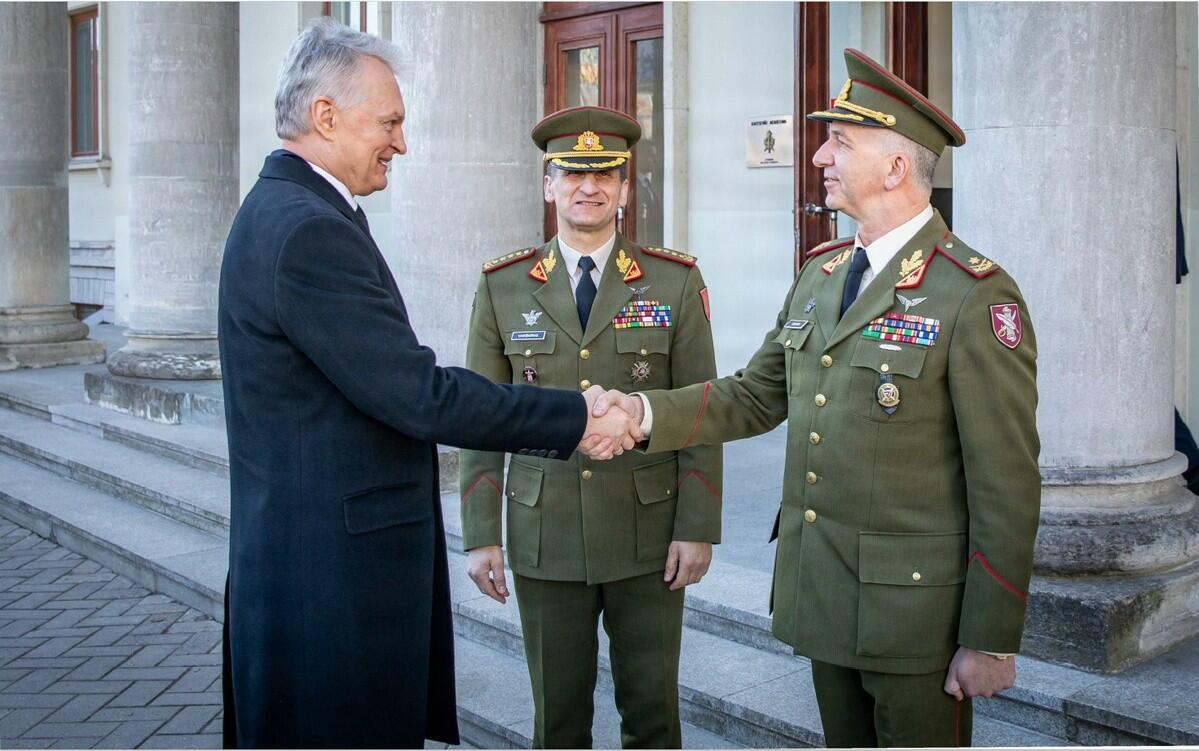
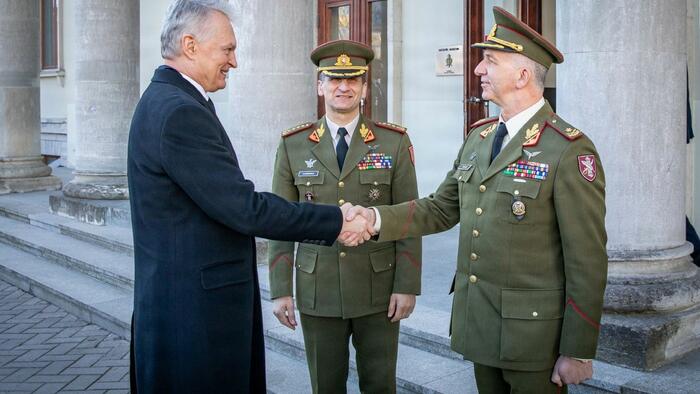
- "We would like to be the integral part of this nuclear deterrence , " Lithuanian President Gitanas Nauseda said at a conference in Berlin on Friday, according to AFP.
- Source: Baltic Defence College "A few days ago, I initiated a constitutional amendment to remove the existing restriction on the possible deployment of nuclear weapons in…
- Soon on the heels of this speech, a group of 50 Lithuanian lawmakers submitted an amendment, but which is still expected to be formally presented before parliament.
- As for the current constitutional prohibition in question: Article 137 of Lithuania’s Constitution currently states that weapons of mass destruction and foreign military bases may…
The story
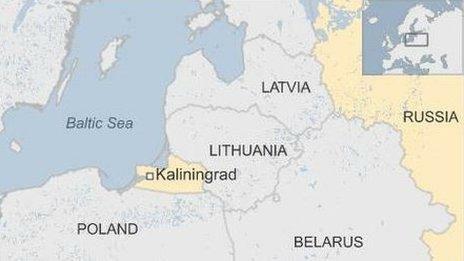
First it was Finland which lifted its ban on the deployment of nuclear weapons, declaring its willingness to host NATO's arsenal (which is largely provided by the US), and now Lithuania has become the latest European country to move to do the same.
Lithuania, which has been a NATO member state since 2004, has newly declared its willingness to be part of the alliance's nuclear sharing program. "We would like to be the integral part of this nuclear deterrence," Lithuanian President Gitanas Nauseda said at a conference in Berlin on Friday, according to AFP.
"A few days ago, I initiated a constitutional amendment to remove the existing restriction on the possible deployment of nuclear weapons in Lithuania," Nauseda added.
Soon on the heels of this speech, a group of 50 Lithuanian lawmakers submitted an amendment, but which is still expected to be formally presented before parliament.
Nauseda touted that there is "practically unanimous" support among lawmakers for repealing the ban outlined in Article 137 of Lithuania's Constitution.
“Almost all parliamentary faction leaders expressed the view that Article 137 has become obsolete and should not merely be amended but removed,” Nauseda said.
As for the current constitutional prohibition in question:
Article 137 of Lithuania’s Constitution currently states that weapons of mass destruction and foreign military bases may not be located on Lithuanian territory.
Finland's parliament has already voted on its own reversal last month, after which Russia moved to secure more border areas with NATO countries.
This is expected to further severely impact trade and worsen official relations with these countries:
Russia has closed seven railway border checkpoints with Finland, Estonia and Latvia, according to a government decree published Tuesday.
The suspension, which takes effect July 1, halts the movement of individuals, vehicles and cargo through the designated rail crossings. Five of the shuttered checkpoints are located on the Finnish border, while Estonia and Latvia each have one crossing affected.
Officials have not disclosed the reasons for the closures or when the checkpoints might reopen.
In Estonia, the Ivangorod freight and passenger crossing will remain open, and in Latvia, the Sebezh crossing will also stay open. However, the closures leave Finland with no open railway crossings with Russia, which normally exports fertilizer to Finland by rail.
Finland shut its eastern vehicle and pedestrian border crossings with Russia indefinitely in December 2023 following an influx of asylum seekers.
Since the Ukraine war began, and in context of ratcheting tensions with NATO over its military support to Kiev, Moscow has steadily militarized its border regions with Baltic and Scandinavian states.
The most significant source of NATO's nuclear-sharing program remains the United States. But lately France has expressed a desire to station some of its atomic arsenal in partner countries, and this could include in Finland, Sweden, Denmark and others.
Powered by Gab AI
The Story At A Glance
Reading this article now — analysis appears below
💡 AI analysis provides alternative perspectives on current events