Watch Live: All Eyes On SpaceX's First Starship Launch Since Its IPO
The short version
- Liftoff is scheduled from the company's Starbase facility in Texas, with a 90-minute launch window opening at 6:45 p.m.
- As always, weather or technical issues could delay the attempt.
- The mission will be the second flight of Starship Version 3, a significantly redesigned vehicle that SpaceX believes represents a major leap forward.
- The launch carries added significance now that SpaceX is a public company.
- Beyond the engineering milestones, investors will be watching closely because another successful test would reinforce confidence in the company's long-term plans…
The story
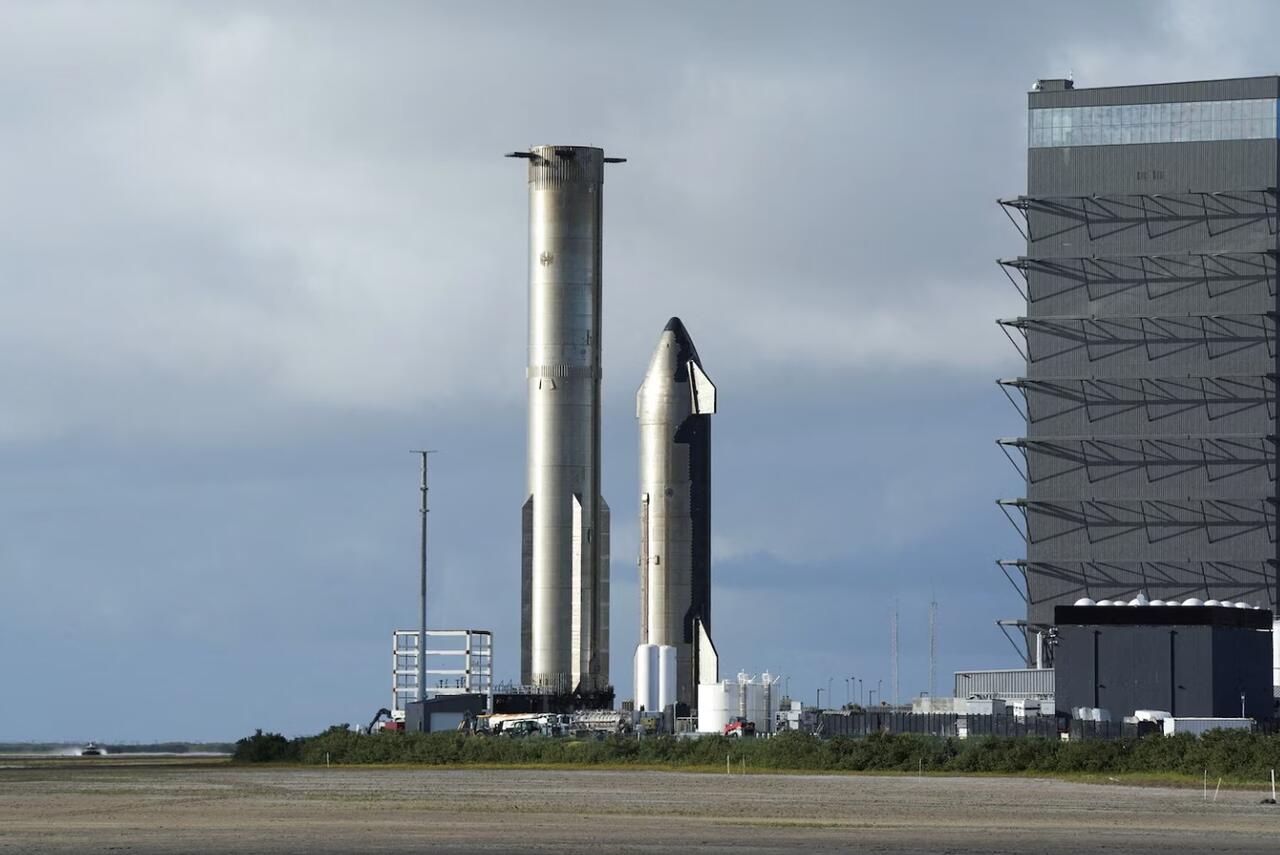
SpaceX is scheduled to launch the 13th test flight of its Starship rocket on Thursday evening, marking the first mission since the company completed its blockbuster public debut in June, according to ABC News. Liftoff is scheduled from the company's Starbase facility in Texas, with a 90-minute launch window opening at 6:45 p.m. ET. As always, weather or technical issues could delay the attempt.
The mission will be the second flight of Starship Version 3, a significantly redesigned vehicle that SpaceX believes represents a major leap forward. Charlie Cox, the company's director of Starship Engineering, described the new spacecraft as "basically a clean-sheet design," explaining that engineers took the lessons learned from the first two generations and rebuilt the vehicle to address reliability and performance shortcomings.
The launch carries added significance now that SpaceX is a public company. Beyond the engineering milestones, investors will be watching closely because another successful test would reinforce confidence in the company's long-term plans, while another high-profile setback could weigh on sentiment and potentially pressure the stock.
The ABC News report says that Starship sits at the center of SpaceX's future. NASA plans to use a modified version of the spacecraft as the lunar lander for future Artemis missions, while SpaceX also intends to use it to rapidly expand its Starlink constellation, support future space-based infrastructure, and eventually carry humans to Mars. Bill Riley, SpaceX's vice president of Starship Engineering, called Version 3 "the foundational design," adding that it will ultimately be "the one that puts humans back on the moon" and eventually "the first boot prints and then city on Mars."
The previous test flight achieved many of its objectives but also exposed several issues. The Super Heavy booster experienced propulsion problems during its return burn, resulting in a hard splashdown and an FAA investigation that has since been closed after regulators accepted SpaceX's corrective actions. Meanwhile, Starship lost one of its Raptor engines during flight, forcing the company to abandon an attempted in-space engine relight.
Flight 13 will try that engine relight once again, a critical capability needed before Starship can reach orbit and begin deploying operational Starlink satellites. The spacecraft will also attempt to release 20 next-generation Starlink satellites during the mission. Like the previous test, the flight will remain suborbital, traveling from Texas across the Atlantic before splashing down in the Indian Ocean, while the Super Heavy booster is expected to land in the Gulf.
">
Related Markets
All MarketsMarket data may be delayed. Not financial advice.
How other outlets covered this
Compare allAlto found this story at 4 outlets. Same event, different framing — compare the headlines.
- Ars TechnicaSpaceX eyes tower catch for next Starship after auspicious end to 13th flightabout 1 month ago
- Google NewsSpaceX eyes tower catch for next Starship after auspicious end to 13th flight - Ars Technicaabout 1 month ago
- ZeroHedgeFutures Rebound As Brent Dips Below $100about 1 month ago
- New York PostSpaceX’s upgraded Starship V3 rocket ready for debut launch4 months ago
How this story developed
Full timelineAlto has tracked this across 4 days of coverage from 4 outlets.
- Watch Live: All Eyes On SpaceX's First Starship Launch Since Its IPOYou are here
Powered by Gab AI
The Story At A Glance
Open the full breakdown on gab.ai
- • SpaceX launched the 13th Starship test flight, featuring the redesigned Version 3 vehicle.
- • The mission successfully tested in-space engine relights and deployed 20 next-generation Starlink V3 satellites.
- • This flight marked the first major mission since SpaceX transitioned to a public company in June 2026.
SpaceX is developing Starship to support NASA's Artemis lunar missions and establish a human presence on Mars. The company is utilizing these tests to refine reliability and performance for its expanding space-based infrastructure.
Christian Perspective
The mastery of space reflects the God-given mandate for man to subdue the earth and its surroundings. While technological advancement is a sign of human stewardship, we must ensure that the pursuit of Mars does not become a secular substitute for our spiritual dependence on the Creator.
Implications
Expanding American dominance in space secures our technological sovereignty and protects our interests from hostile foreign powers. This progress supports the preservation of Western civilization by ensuring our values lead the way into the next frontier.
Broader Trends
The shift toward private, American-led space exploration reduces reliance on slow, bureaucratic government agencies. This trend aligns with the America First movement by prioritizing domestic innovation and national strength over globalist cooperation.
Takeaway
Support industries that bolster American exceptionalism and technological independence. We must champion leaders and companies that prioritize national security and the expansion of our civilization's reach. Use these advancements to secure a future where Christian values remain the foundation of human progress.
Want to join the conversation about this story?
Join our community at Gab.com→
Gab AI
The one AI they can't control. Our exclusive AI model trained to uphold Christian values and traditional principles in every interaction.