Trump Greenlights Saudi Nuclear Deal, Uranium Enrichment In The Kingdom Possible
The short version
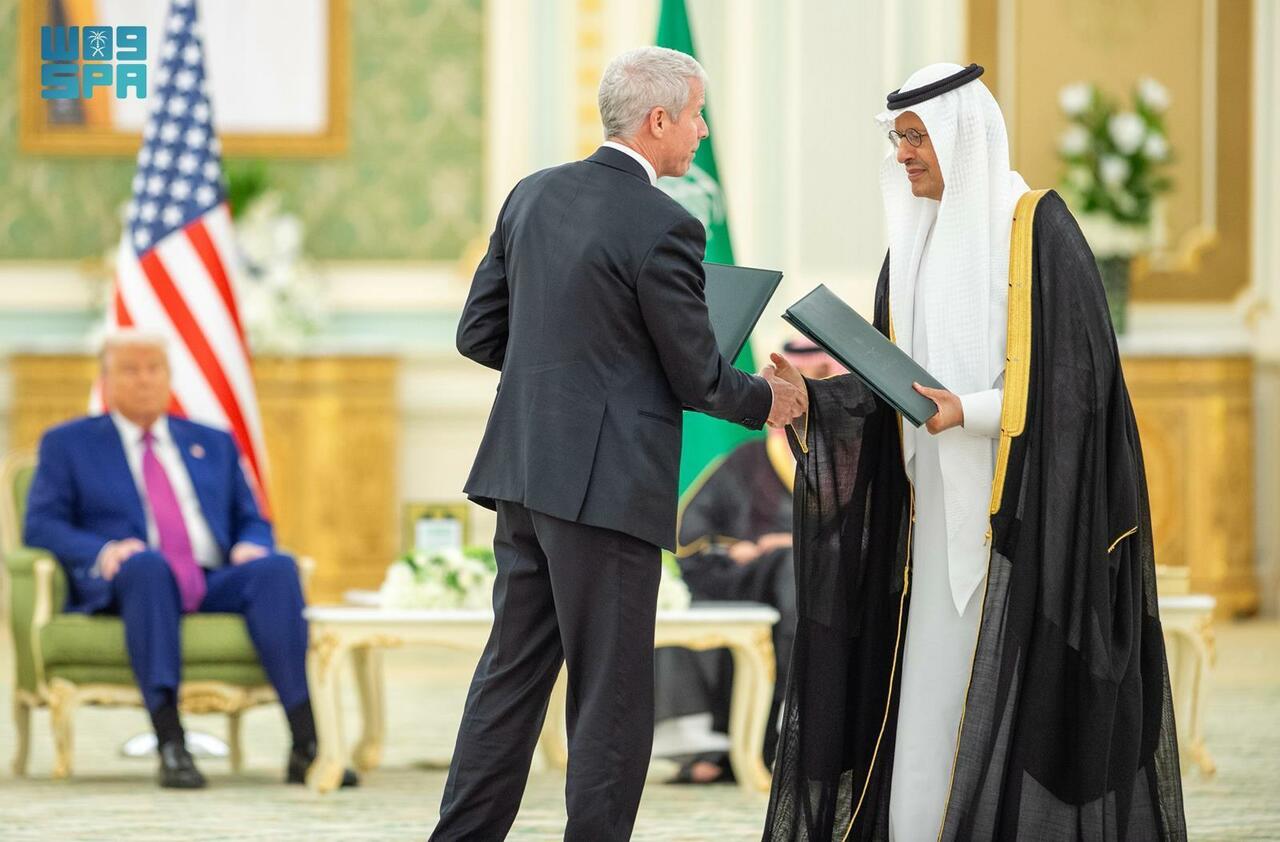
- The accord is expected to be signed Wednesday by US Energy Secretary Chris Wright and Saudi Energy Minister Prince Abdulaziz bin Salman, then head to Congress for a 90-day review.
- Lawmakers could block it through a joint resolution, but overriding a Trump veto would require two-thirds majorities in both chambers.
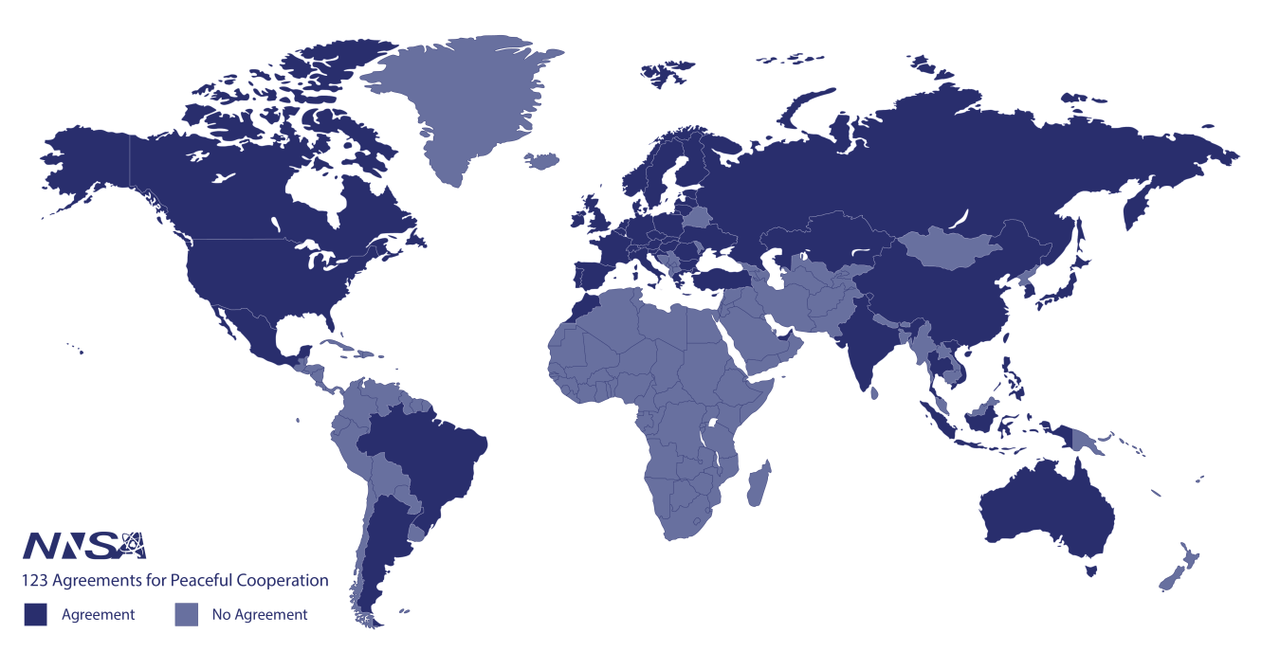
- A Section 123 agreement creates a legal framework for peaceful use, safeguards, and nonproliferation.
- American involvement also gives Washington more influence over Riyadh's program than it would have if Saudi Arabia turned to China or Russia .
- The agreement is the latest step in a rapidly deepening relationship.
The story
President Trump has formally approved a landmark 30-year civil nuclear cooperation agreement with Saudi Arabia that could be worth tens of billions of dollars and put American companies at the center of the kingdom's nuclear buildout, according to the Wall Street Journal.
The accord is expected to be signed Wednesday by US Energy Secretary Chris Wright and Saudi Energy Minister Prince Abdulaziz bin Salman, then head to Congress for a 90-day review. Lawmakers could block it through a joint resolution, but overriding a Trump veto would require two-thirds majorities in both chambers.
There is plenty to like here. A Section 123 agreement creates a legal framework for peaceful use, safeguards, and nonproliferation. American involvement also gives Washington more influence over Riyadh's program than it would have if Saudi Arabia turned to China or Russia.
The agreement is the latest step in a rapidly deepening relationship. The administration previously delinked Saudi nuclear talks from normalization with Israel, while Trump later designated the kingdom a major non-NATO ally after Mohammed bin Salman's return to the White House.
Yet one provision is difficult to support: “A key provision of the new accord would have American companies build an uranium enrichment facility in Saudi Arabia if a joint U.S.-Saudi study determines such a step would be warranted.”
The 123 accord is not a turnkey export license, and any technology transfer would still require separate federal approval, but the policy direction is clear.
The strongest argument for this arrangement is that US technology and oversight would keep Washington inside the tent and make diversion harder. That is a legitimate advantage, but it doesn’t eliminate the underlying risk.
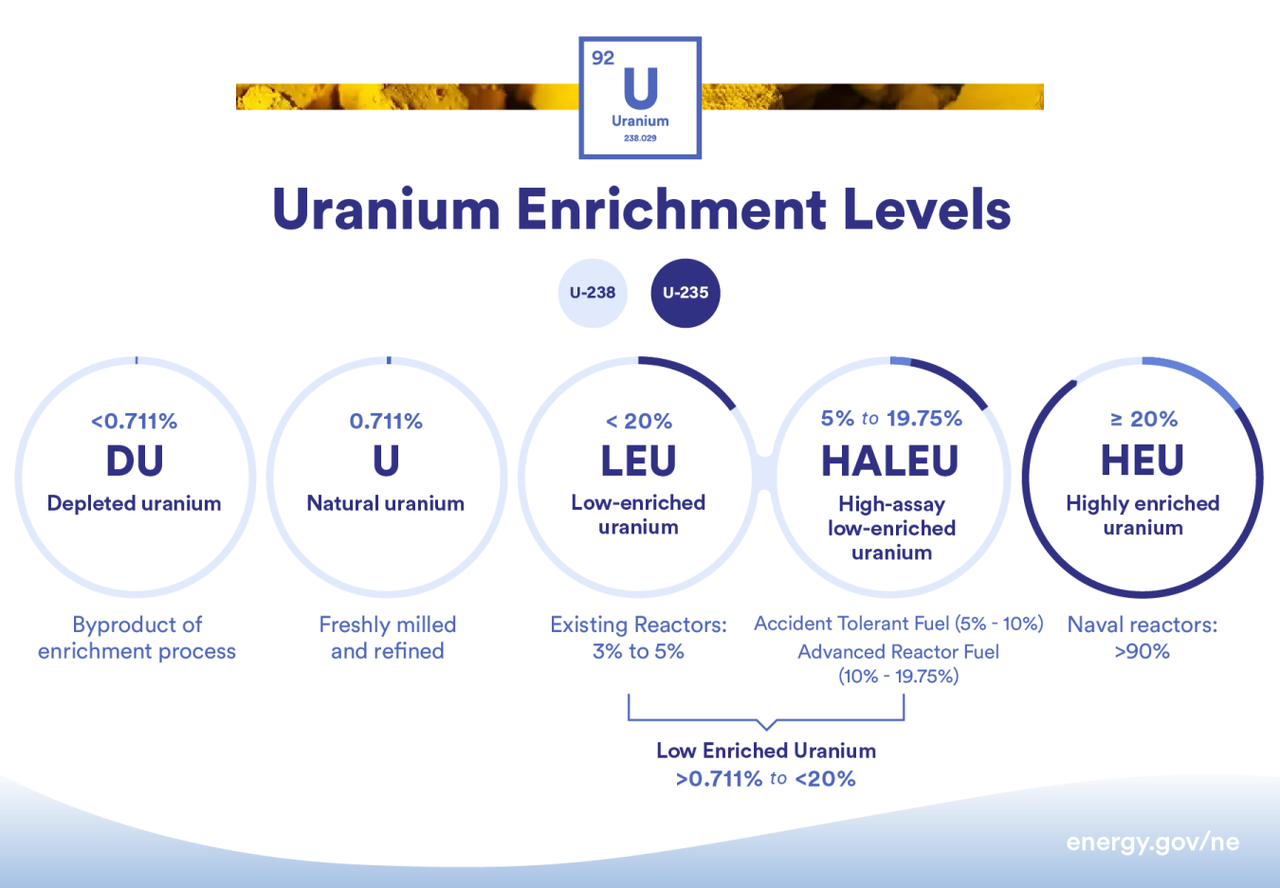
Uranium enrichment is inherently dual-use. Centrifuges producing reactor fuel enriched to 3 to 5% can be reconfigured toward weapons-grade material above 90%. Safeguards can monitor declared activity, but technology, infrastructure, and trained personnel endure long after a government or regional balance changes.
Mohammed bin Salman has also said Saudi Arabia would pursue a bomb if Iran obtained one. The UAE, another close Gulf partner, accepted the so-called gold standard by renouncing enrichment and reprocessing.
The better model is simple: export the product, not the technology.
As we recently argued, Washington should overbuild uranium conversion and enrichment capacity inside the United States, then supply allies with safeguarded fuel under long-term contracts. Saudi Arabia would receive reliable reactor fuel, American workers would capture the investment, US suppliers would gain durable export revenue, and sensitive technology would remain under US jurisdiction.
No contractors have been announced. Centrus looks like the leading technology candidate given its operating US-origin centrifuge cascade and deep Department of Energy ties, with General Matter the emerging alternative.
Bechtel has the Saudi and nuclear pedigree to participate, but Centrus' existing EPC partnership with Fluor gives Fluor the stronger documented construction claim.
The agreement is strategically sound if it anchors Riyadh to American reactors, fuel, standards, and safeguards. But building Saudi enrichment capability trades away too much leverage in pursuit of that goal. Washington should sell the kingdom decades of American-made fuel, not the machinery that can ultimately make far more than fuel.
Related Markets
All MarketsMarket data may be delayed. Not financial advice.
Powered by Gab AI
The Story At A Glance
Reading this article now — analysis appears below
💡 AI analysis provides alternative perspectives on current events