US Military Forced To Let Some Iranian Projectiles Through Its Defenses: NBC
The short version
- This is especially in the wake of the four US troop deaths earlier this month.
- The Iranian attacks particularly on US bases in Jordan have been especially fierce of late.
- Also there are ongoing concerns of dwindling anti-air defense missiles in the Gulf and the region.
- Fresh weekend NBC news reporting has highlighted these growing problems, and has gone so far as to say that US commanders are having to ration Patriot missiles .
- This is an astounding revelation if true, constituting an admission that American bases and host countries are much less protected than previously thought .
The story
Some US lawmakers have begun to complain that American troops stationed in the Middle East have become sitting ducks and are in a highly dangerous situation with Iranian ballistic missiles increasingly reaching their marks. This is especially in the wake of the four US troop deaths earlier this month.
The Iranian attacks particularly on US bases in Jordan have been especially fierce of late. Also there are ongoing concerns of dwindling anti-air defense missiles in the Gulf and the region. Fresh weekend NBC news reporting has highlighted these growing problems, and has gone so far as to say that US commanders are having to ration Patriot missiles.
"U.S. military commanders have been picking and choosing which Iranian missiles and explosive-packed drones to intercept and are allowing some attacks through their defenses, amid an effort to preserve the Pentagon’s diminishing supply of weapons that block projectiles from reaching their targets," two senior U.S. officials were cited as saying in the NBC report.
This is an astounding revelation if true, constituting an admission that American bases and host countries are much less protected than previously thought.
"Military commanders have opted not to expend munitions if they determine an Iranian projectile won't hit American forces, significantly damage critical U.S. facilities or threaten allies in the region, the officials said," NBC continues. "The strategy has been in place since the early days of the war."
While on the one hand it would make sense to not try and intercept a projectile that's clearly headed far off course into the distant desert, the host governments are likely to be alarmed at these instances of US military defenses in effect standing down.
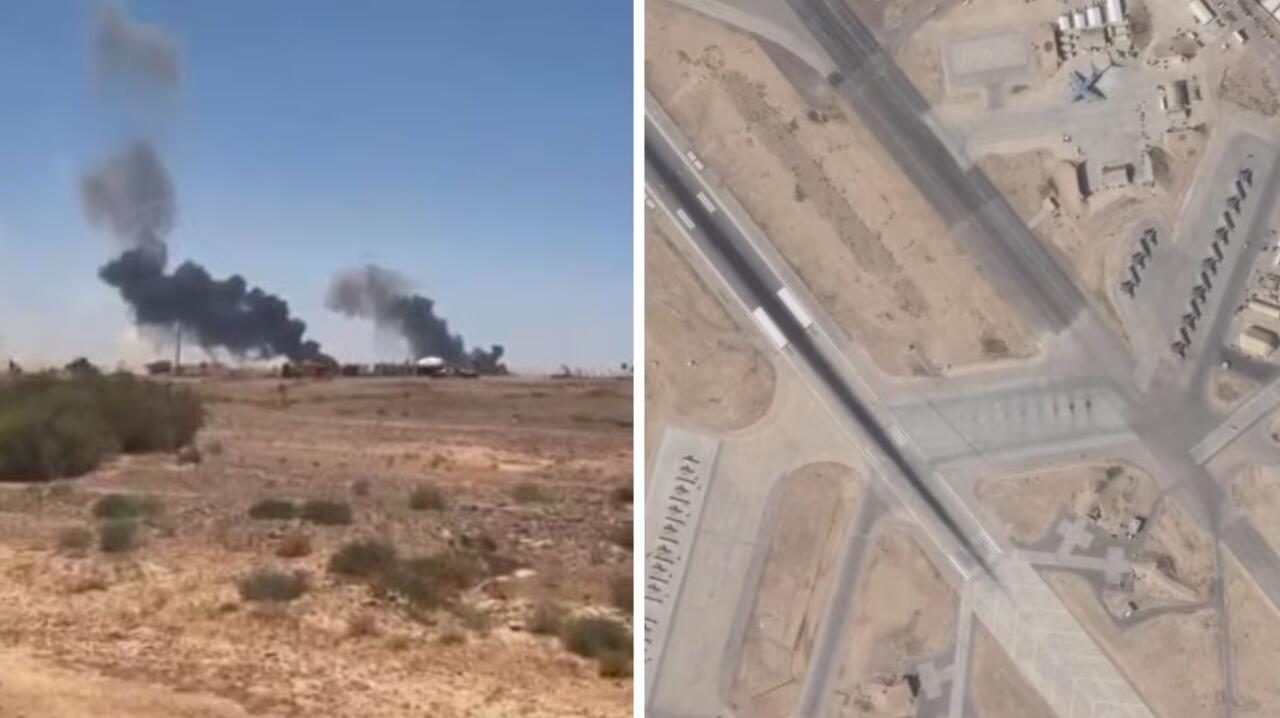
But the report also highlights that this strategy has actually resulted in Iranian hits on US bases, in instances where those bases are said to be abandoned:
The result of the strategy, the sources said, is that some Iranian attacks make impact, particularly those that are on track to miss their intended targets, inflict minimal damage by striking an abandoned building or hit areas where there are no U.S. troops.
The U.S. officials said there also have been times when the U.S. military has allowed some Iranian missiles and drones to strike U.S. bases as long as Americans are not present. That is a departure from past practice, the sources said, where typically drones or missiles that threaten to hit bases would be shot down.
Washington-based Center for Strategic and International Studies (CSIS) previously found that during the opening weeks of Operation Epic Fury the Pentagon burned through almost 50% of its Patriot missiles, more than half of its Terminal High Altitude Area Defense (THAAD) systems - designed to counter short, medium, and intermediate-range threats - and over 45% of its Precision Strike Missiles (PrSMs) during the Iran air and missile campaign.
MOMENT Houthis SHOOT DOWN ‘Turkish-made Saudi drone’
— RT (@RT_com) July 26, 2026
Barefoot Yemenis POSE next to BURNING WRECKAGE of $20 MILLION+ drone pic.twitter.com/lxdFczSOhB
US interceptors have from the start of the war been working in overdrive trying to protect sensitive Gulf facilities and bases, as dozens of inbound Iranian drones and missiles were a daily thing back in March into early April, before the tenuous ceasefire took effect. But the last couple weeks have seen a return to a high intensity air war over the region after the ceasefire broke down.
Related Markets
All MarketsMarket data may be delayed. Not financial advice.
How this story developed
Full timelineAlto has tracked this across 4 days of coverage from 1 outlet.
- US Military Forced To Let Some Iranian Projectiles Through Its Defenses: NBCYou are here
Powered by Gab AI
The Story At A Glance
Reading this article now — analysis appears below
💡 AI analysis provides alternative perspectives on current events