Saudi Oil Fleet Increasingly Going 'Dark' Due To Houthi Blockade
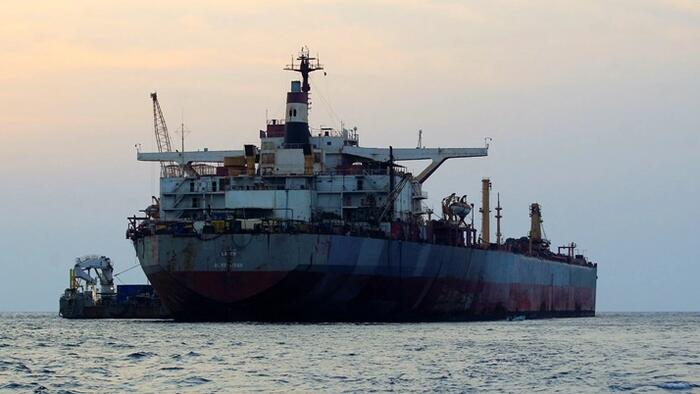
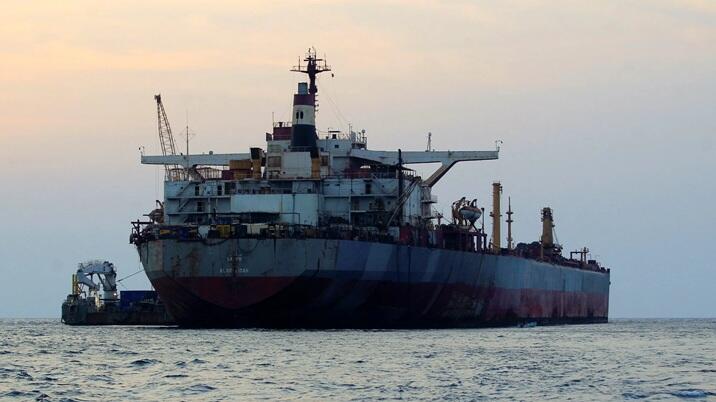
Yemen's maritime blockade on Saudi shipping has pushed the kingdom’s crude exports off the radar in the Red Sea, with tankers forced to turn off their tracking signals to avoid attack and every recent cargo loaded at Yanbu sailing "dark," Reuters reported on Wednesday.
Saudi export volumes can no longer be independently verified as a result of the increased invisibility, with ship-tracking firms issuing conflicting estimates of the same shipments, figures the International Energy Agency (IEA), OPEC, and traders use to gauge world supply and forecast the market.
Three firms tracking the same week beginning August 3 reached three different conclusions.
Vortexa measured a modest decline at Yanbu, to 2.38 million barrels per day (bpd) from 2.71 million, while Kpler reported a collapse to 1.78 million bpd from 4.04 million, and AXSMarine recorded a rise, to 850,000 bpd from about 420,000.
Vortexa analyst George Morris said no Yanbu cargo lifted last week had its Automatic Identification System (AIS) switched on.
"Last week Yanbu liftings were all conducted dark. We're not seeing any loadings with Automatic Identification System (AIS) on at the moment," he said.
Kpler analyst Nhway Khin Soe said about 70 percent of loadings along the Saudi west coast were dark in recent weeks, and that every Yanbu cargo loaded since 23 July involved a vessel without continuous AIS coverage.
An average of 32 vessels per day passed through the Bab al-Mandeb Strait last week, according to Kpler data. That is down from roughly 50 a day before Ansarallah announced the blockade.
Saudi oil is meanwhile moving north instead, reaching the Mediterranean either through the Suez Canal or along Egypt's SUMED Pipeline, which runs overland from the Red Sea terminal of Ain Sokhna to Sidi Kerir on the coast.
Satellite imagery reviewed by independent maritime data analyst Phileeppos in a post on X points to a far steeper fall, with loading activity at Saudi Arabia's Red Sea terminals down by roughly half since the Yemeni blockade took effect on 20 July.
Tankers at the King Fahd and Muajjiz terminals were estimated to be holding an average of 10 million barrels per satellite pass beforehand, against around 5 million after.
This comes as Turkey confirmed its entry into a Saudi-led maritime coalition formed to protect shipping through the Bab al-Mandab Strait, the Turkish Ministry of National Defense announced in a recent statement.
The 13-country alliance, headquartered in Riyadh, was announced last month after the Ansarallah-led Yemeni Armed Forces (YAF) imposed its blockade on shipments already diverted into the Red Sea by the closure of the Strait of Hormuz.
One fleet of Saudi VLCCs is going around the Cape of Good hope to avoid the Houthis. Nearly All Saudi tankers in the red sea have gone dark and are moving without AIS.
— Ali (@MerruX) August 12, 2026
Meanwhile over 12+ empty Saudi tankers are headed towards sea of Oman/UAE ports for possible crossing. https://t.co/mgCelwEBG2 pic.twitter.com/0MGARl9DoS
The YAF has described the measure as a “blockade for blockade” strategy, answering more than a decade of blockade and war waged against Yemen by the kingdom.
Ankara's participation deepens a trilateral defense pact signed in Mecca last week, committing Turkiye, Saudi Arabia, and Pakistan to collective security.
Related Markets
All MarketsMarket data may be delayed. Not financial advice.
💡 AI analysis provides alternative perspectives on current events