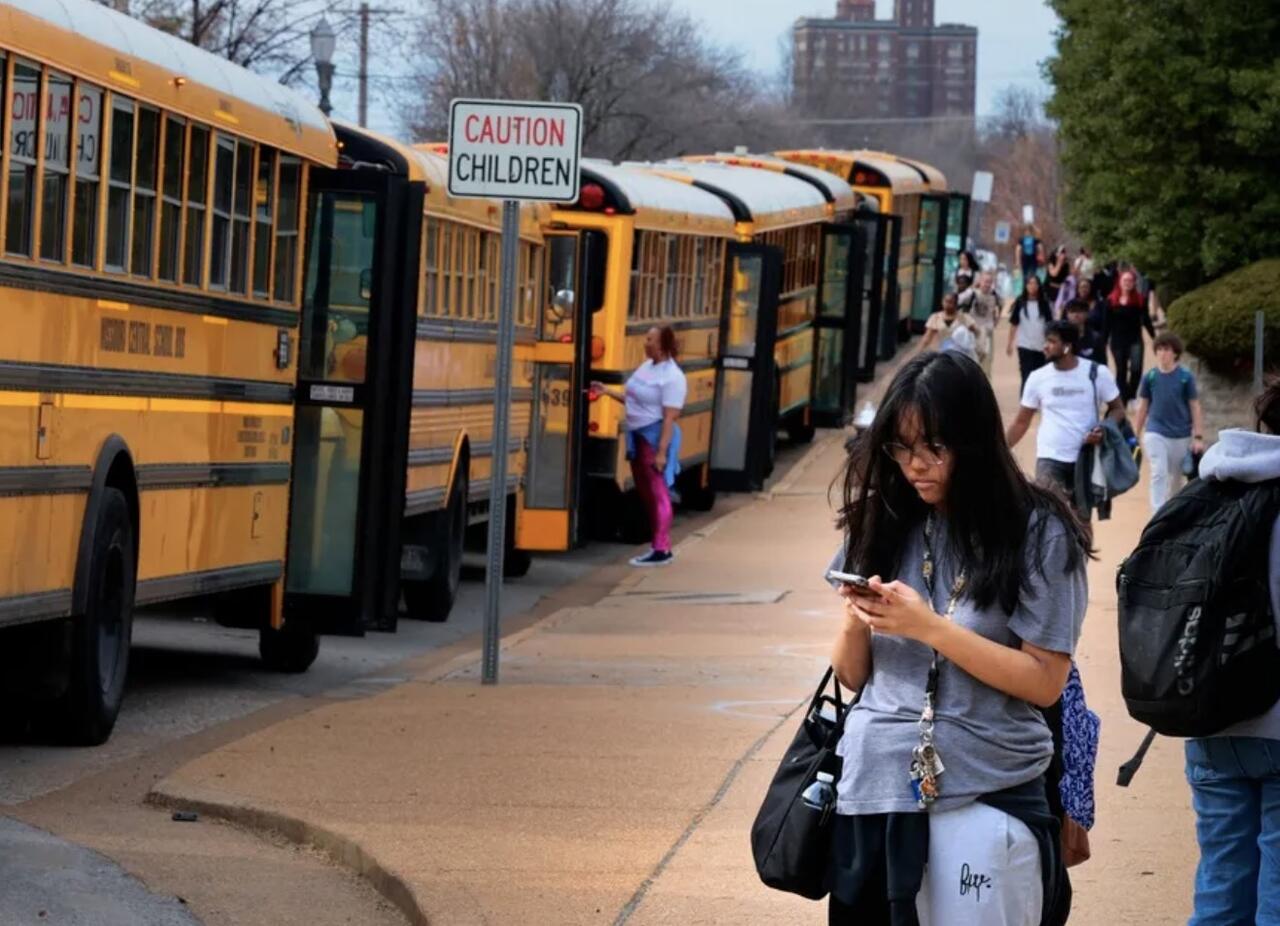
The 10 States Losing Public School Students The Fastest
Public school enrollment is shrinking across much of the United States, but nowhere faster than West Virginia. An August 2026 study by family location-tracking app iSharing found that the state lost more than 10,500 public school students between 2021 and 2024, a decline of 4.2%, the steepest in the country, according to family location-tracking app iSharing,
The trend reflects a broader demographic shift. Births have fallen in 44 of the 50 states, meaning many schools are receiving smaller incoming classes. In West Virginia, births dropped 18.3% between 2005 and 2024. New Mexico experienced an even larger 26% decline. Migration can offset some of these losses, but in many states it has not been enough to reverse the trend.
The iSharing study compared public school enrollment across all 50 states over three years and examined changes in births and migration. It also considered federal projections for 2031 to identify where enrollment could fall further.
West Virginia ranked first, with enrollment falling from about 252,000 students in 2021 to 242,000 in 2024. Although the state recorded slightly positive net migration, declining births continue to reduce the number of school-age children. Enrollment is projected to fall to roughly 217,000 by 2031, another 13.5% decline.
Hawaii ranked second after losing more than 6,000 students, or 3.5%, in three years. Unlike West Virginia, Hawaii faces pressure from both declining births and population loss. Births are down 16.8% since 2005, while net migration was negative. By 2031, Hawaii could lose another 16% of its public school enrollment, the largest projected decline among the states highlighted in the study.
New Hampshire followed with a 3.4% decline and nearly 6,000 fewer students. Although the state continues to attract new residents, births have fallen 18.4% since 2005. With about 11 students per teacher, shrinking enrollment also means increasingly small classrooms. Enrollment is projected to decline another 7.3% by 2031.
Wyoming experienced a similar 3.4% drop, losing more than 3,000 students. Births have fallen 15.9% since 2005, though migration remains slightly positive. Unlike some other states, Wyoming's decline may soon stabilize. Enrollment is projected at about 89,300 students in 2031, close to its current level.
Maine completed the top five, losing nearly 6,000 students in three years. The state had the strongest positive migration among the leading states, yet that growth could not overcome a 17.8% decline in births. Maine also averages only about 11 students per teacher, and enrollment is expected to fall another 6.3% by 2031.
The consequences extend beyond smaller classrooms. Because public school funding is often tied to enrollment, fewer students can mean fewer resources. An iSharing spokesperson noted that declining enrollment can contribute to cuts in programs such as arts, sports, counseling and teaching support. School closures can also force remaining students to travel farther each day.
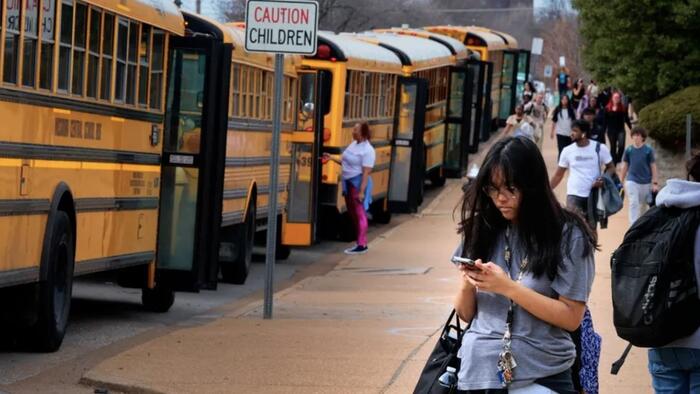
Research cited by the company found that 98 schools across 15 states closed during a single school year because of declining enrollment. For families, that can mean longer bus rides, changing districts and greater distances between children, schools and parents.
The numbers point to a challenge that is likely to outlast short-term population shifts. With birth rates falling across most states, many school systems are preparing for a future with fewer students, tighter budgets and difficult decisions about which schools and programs they can continue to support.
Related Markets
All MarketsMarket data may be delayed. Not financial advice.
- • Public school enrollment is plummeting in states like West Virginia and Hawaii due to massive declines in birth rates.
- • Births have dropped significantly in 44 of 50 states, with some regions seeing declines of over 25 percent.
- • Shrinking student numbers are triggering school closures and severe funding cuts across the country.
The decline is driven by a long term collapse in birth rates rather than just temporary migration shifts. This demographic squeeze is projected to worsen through 2031 as enrollment continues to fall.
Christian Perspective
The falling birth rates reflect a profound cultural crisis and a rejection of the biblical mandate to be fruitful and multiply. This trend signals the decay of the traditional family unit, which is the essential foundation of a godly nation. A society that fails to produce children is a society in terminal decline.
Implications
The loss of children threatens the future of the American people and the continuity of our heritage. As schools close, the ability of parents to anchor their children in traditional values becomes even more difficult. This demographic hollow out weakens the social fabric and the strength of the nation.
Broader Trends
This collapse in birth rates is a symptom of the corrosive egalitarian and secular ideologies that have destabilized the West. It aligns with a broader pattern of national suicide where the biological survival of the people is sacrificed to modern decadence. The shrinking population makes the nation more vulnerable to the replacement efforts of hostile globalist elites.
Takeaway
Christian families must prioritize large numbers of children to ensure the survival of our culture and faith. We must reject the secular norms that discourage parenthood and instead champion the heroic role of the family. Protecting our demographic integrity is a fundamental requirement for an America First future.
What is your reaction to this story?
Want to join the conversation about this story?
Join our community at Gab.com→
Gab AI
The one AI they can't control. Our exclusive AI model trained to uphold Christian values and traditional principles in every interaction.