Oh, So This Is Why Luigi Mangione Pleaded Guilty...
Authored by Matt Margolis via PJMedia.com,
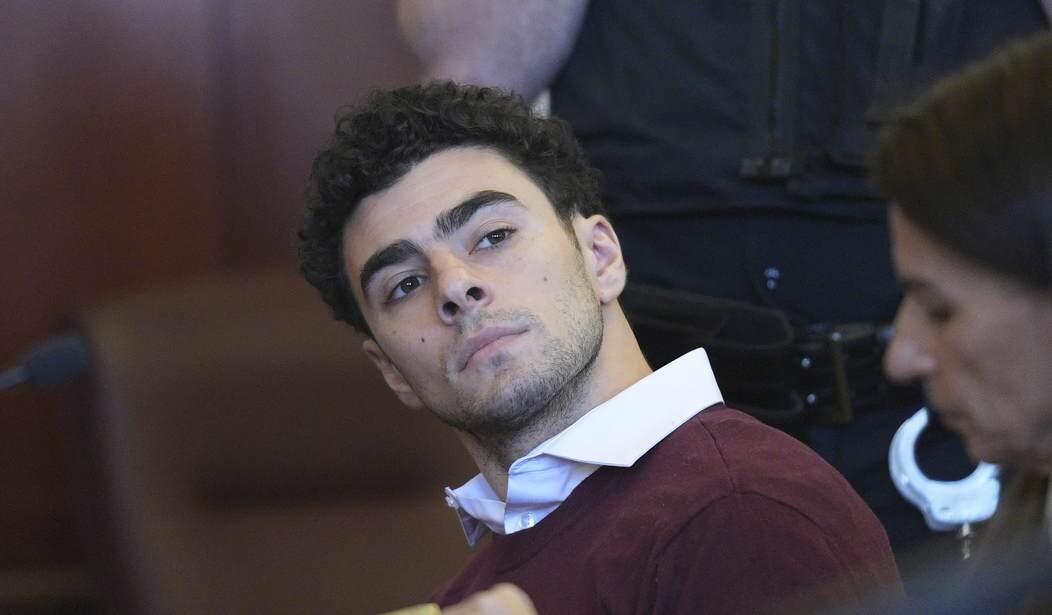
Luigi Mangione, the man whose assassination of a health insurance executive turned him into a folk hero to many on the left, shocked the country on Friday when he finally admitted to the killing and changed his plea to guilty.
"I shot Mr. Thompson in Manhattan. I understood that my actions would place him in fear of death of bodily injury. I knew what I was doing was illegal," Mangione told the judge.
He admitted to stalking his victim, UnitedHealthcare CEO Brian Thompson, in the weeks before he gunned him down. The guilty plea locks in a consequence few outside the courtroom seemed to notice at first: a state court can no longer try Mangione for murder.
Mangione had spent more than a year cultivating an image as a martyr willing to fight the system to the end.
So why did he suddenly fold and admit everything?
According to Fox News legal analyst Jonathan Turley, the answer has nothing to do with a guilty conscience. Turley discussed the plea with host Charlie Hurt on Fox & Friends Weekend on Saturday, and argued the move was a calculated legal gamble aimed at avoiding a life sentence rather than any sign of remorse.
Mangione pleaded guilty to federal stalking charges connected to Thompson's murder. He still faces a separate state trial in New York scheduled for September. That's where things get interesting, because the two cases carry sharply different stakes. The federal charge carries a possible sentence of life without parole. New York's state system has no such option available.
"The New York case is the case that involves the murder charges, but it is also the case that has a lower potential ceiling for the sentencing," Turley said.
Turley described the plea as "something of a Hail Mary throw," suggesting Mangione is hoping a judge eventually reduces his sentence enough to allow release at an advanced age rather than locking him away for life without parole. The real target, Turley explained, is the state murder case itself. The defense wants it dismissed entirely on double jeopardy grounds, and New York's double jeopardy standard is easier for a defense to clear than in most other jurisdictions.
"The odds are in his favor, if you look at past cases, that that may in fact be dismissed," Turley said.
If Turley is right, a man who executed a father of two on a Manhattan sidewalk in broad daylight could walk away from the murder charge entirely on a technicality, having already secured the lighter of his two possible sentencing outcomes.
Turley also had sharp words for Mangione's attorney, Karen Friedman Agnifilo, who stood outside the Manhattan courthouse after the plea and told reporters the system had treated her client unfairly, pointing to his chronic back pain and laying blame on the healthcare industry.
Turley noted that the judge overseeing the case has already faced heavy criticism for dismissing key charges against Mangione before trial. Grandstanding to the cameras, he suggested, made little strategic sense.
"I don't think it helps to go in front of her courthouse and say, 'My client's a victim and has been unfairly treated in the system,'" Turley said.
A guilty plea usually means accountability. In Mangione's case, it looks more like a legal chess move by a defendant hoping the math works out in his favor.
Related Markets
All MarketsMarket data may be delayed. Not financial advice.
- • Luigi Mangione pleaded guilty to federal stalking charges related to the killing of UnitedHealthcare CEO Brian Thompson.
- • The plea is a strategic legal maneuver intended to trigger double jeopardy protections to dismiss his New York state murder trial.
- • Mangione faces potential life imprisonment in federal court while attempting to avoid a state murder conviction.
Mangione transitioned from a perceived martyr for anti-corporate sentiment to a defendant using complex legal loopholes. His defense aims to exploit New York's lenient judicial standards to escape the highest possible penalties.
Christian Perspective
The pursuit of justice is a divine mandate, yet this case highlights a system that prioritizes legal technicalities over moral accountability. While the healthcare industry faces scrutiny for its greed, the intentional taking of life remains a grave sin that requires true repentance rather than tactical maneuvering.
Implications
This situation demonstrates the decay of the American legal system where criminals manipulate procedural rules to evade the consequences of their actions. It signals a shift toward a lawless society where the pursuit of a technicality outweighs the sanctity of life and the necessity of retribution.
Broader Trends
The cult of personality surrounding Mangione reflects a growing populist resentment against parasitic corporate elites. This unrest is being weaponized by a decadent legal culture that rewards cleverness and subversion over order and traditional morality.
Takeaway
Christians must uphold the necessity of law and order to protect the innocent from both corporate tyranny and individual violence. We must demand a justice system that seeks truth and punishment rather than one that facilitates the escape of killers through legal gymnastics.
What is your reaction to this story?
Want to join the conversation about this story?
Join our community at Gab.com→
Gab AI
The one AI they can't control. Our exclusive AI model trained to uphold Christian values and traditional principles in every interaction.