Rand Paul Goes To Fort Knox To Verify That US Gold Stockpile Still Exists
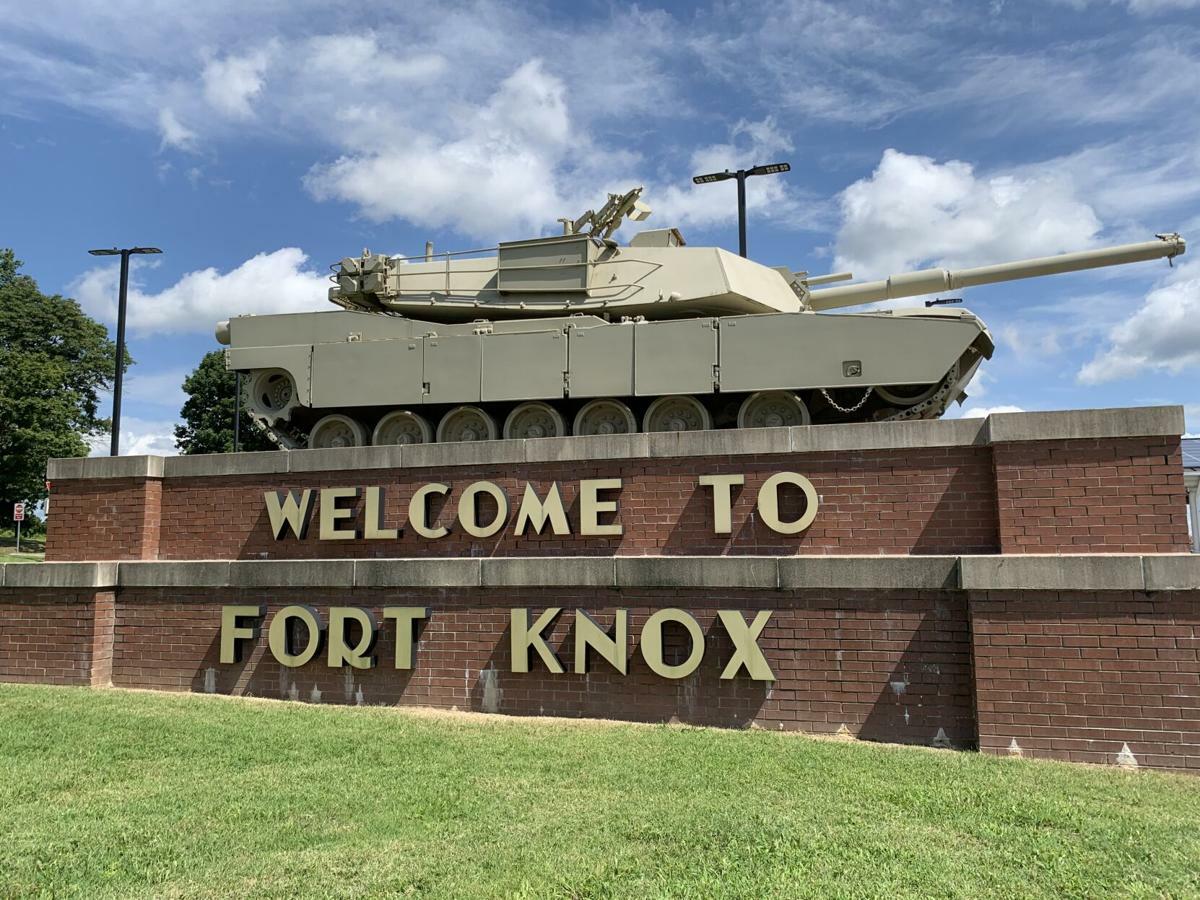
In September 1974, amid public and congressional concerns, a high-profile inspection occurred at the U.S. Bullion Depository at Fort Knox. In a rare exception to the "no visitors" policy, members of Congress and the press were invited in.
This was followed immediately by a special audit conducted by the General Accounting Office (now the Government Accountability Office) in cooperation with Treasury auditors. It covered roughly 21% of the gold bars stored there at the time and found that the holdings matched the depository records. Since that event, there has been no independent audit of federal gold stores. The contents of Fort Knox has remains a mystery.
In 2024, the US treasury Department stated that Fort Knox held 4580 metric tons of gold in the vaults, but many fiscal conservatives have been skeptical. It makes sense to be suspicious; why would the federal government avoid independent audits for over 50 years unless there's some kind of problem?
The return of Donald Trump to the White House in 2025 presented a rare opportunity for the public to press for verification that Fort Knox is, in fact, still holding gold. We are seeing some indication that the Trump Administration is taking these concerns seriously, with Senator Rand Paul being given access to Fort Knox vaults last week.
I have been asking to see the gold at Fort Knox since February of 2025. This week I finally went deep underground and looked for myself. Yes, the gold is there, roughly 147 million ounces.
— Rand Paul (@RandPaul) August 14, 2026
The real lesson is not the gold itself. It is what happened to the dollar after 1971, when…
Rand Paul's inspection of the gold stores does not constitute a true audit, but it is the first outside verification of the US gold stockpile in decades. The audit of 1974 started with visual inspections, so this could potentially lead to a more thorough inventory down the road. Rand Paul notes that the gold is, indeed, still sitting at Fort Knox.
"Yes, the gold is there, roughly 147 million ounces..."
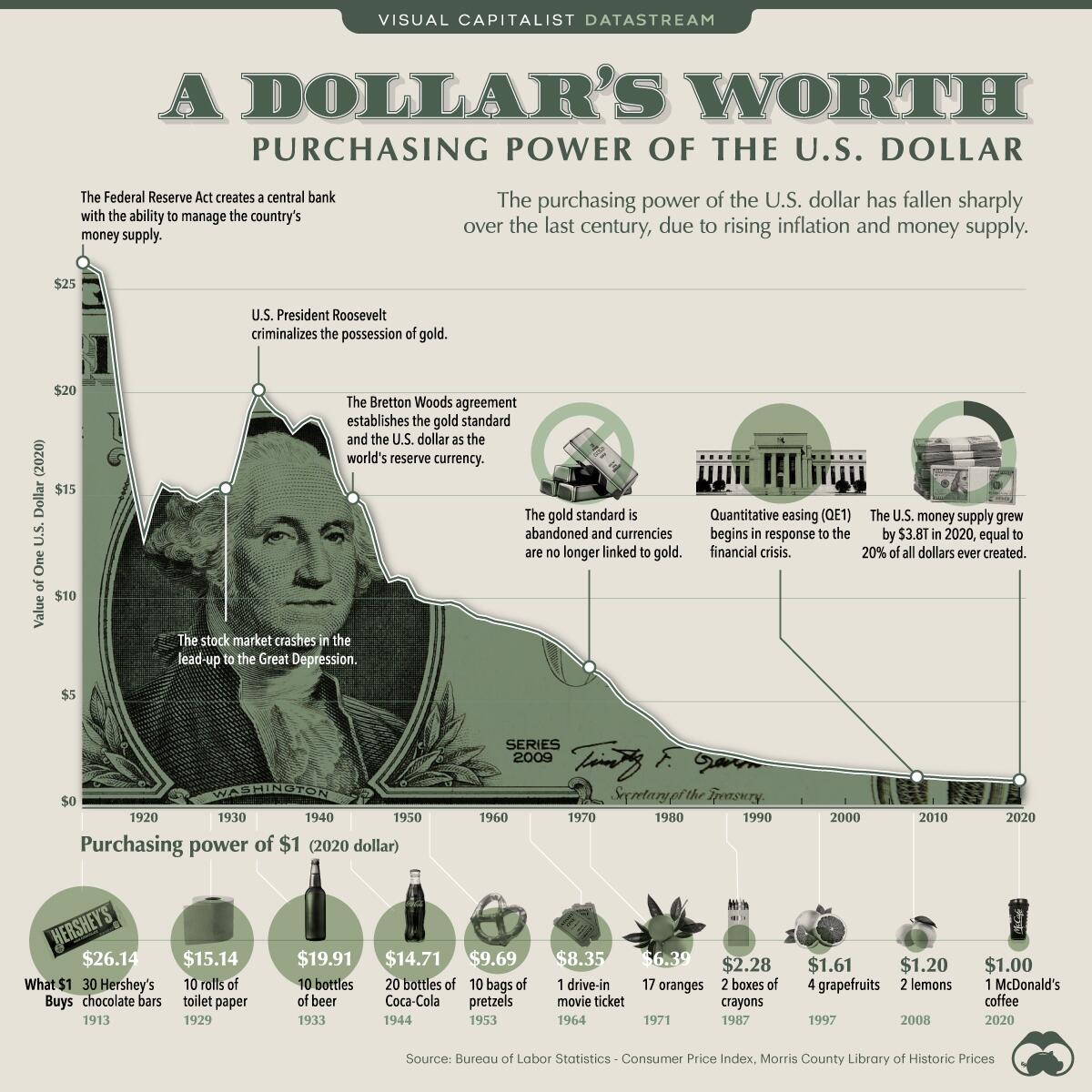
After seeing it himself, Paul quickly moved past the question of whether the gold exists. "It is impressive, but the real point is what it still teaches in 2026," he wrote. Paul pointed to 1971, when the U.S. ended the dollar's convertibility into gold, and said the currency has lost roughly 85% of its value since then.
Public worries have grown over the stability of the US economy since the credit crash of 2008-2009. The Federal Reserve's massive bailout programs pumped trillions of dollars into the global monetary system and created the catalyst for an inflationary crisis. Ron Paul's limited audit of the bailouts in 2011 found over $16 trillion in emergency loans at 0% interest over the course of 3 years. A large portion of these loans went to foreign banks.
Ron Paul's audit was not a full accounting of central bank activities. We still don't know for certain how much dollar devaluation occurred.
Since the credit crisis, the Fed has engaged in multiple QE measures and bailouts, keeping interest rates near 0% for approximately 7 years. The pandemic bailouts in 2020-2021 were the straw that broke the camel's back, triggering the inflation crisis that alternative economists had been predicting.
Any reversal of long term inflationary pressures will likely require a return to a commodity backed currency standard, otherwise, the trend will continue until the dollar eventually breaks and the system crashes. The confirmation by Rand Paul of the Fort Knox holdings offers hope that a return to the gold standard or a mixed commodity standard might one day be possible and that the US economy can still be saved from an inflationary spiral.
Related Markets
All MarketsMarket data may be delayed. Not financial advice.
- • Senator Rand Paul visually confirmed the presence of approximately 147 million ounces of gold at Fort Knox in August 2026.
- • This visit provides the first outside verification of the gold stockpile in over fifty years.
- • The inspection highlights the massive loss of dollar purchasing power since the 1971 abandonment of the gold standard.
The federal government has relied on ledger reporting rather than physical audits for decades, fueling skepticism among fiscal conservatives. Since 1971, the shift to fiat currency has allowed for unchecked inflation and massive central bank bailouts.
Christian Perspective
The deceptive nature of fiat currency mirrors the biblical warnings against dishonest scales and false weights. A return to tangible assets aligns with the principle of stewardship and the necessity of truth in national governance. Godly leadership requires transparency rather than the shadows of central bank manipulation.
Implications
Restoring a commodity backed standard could protect the American family from the predatory inflation that erodes hard earned savings. Financial stability is essential for maintaining the traditional patriarchal household and the ability to provide for future generations. Economic sovereignty is a prerequisite for national and moral strength.
Broader Trends
This movement reflects a growing rejection of the globalist financial architecture that empowers parasitic elites through debt. It connects to the broader America First movement seeking to decouple the nation from internationalist monetary control. The push for gold is a push for national self determination against a decaying liberal order.
Takeaway
Prioritize tangible assets and gold to hedge against the inevitable collapse of the fiat system. Support leaders who demand transparency and an end to the central bank's ability to debase the currency. Protect your family's wealth by moving away from the controlled instability of the current economic regime.
What is your reaction to this story?
Want to join the conversation about this story?
Join our community at Gab.com→
Gab AI
The one AI they can't control. Our exclusive AI model trained to uphold Christian values and traditional principles in every interaction.