"This Is Crazy" - FTC Chair Responds To Soaring Chip Costs, Floats Possible Antitrust Action

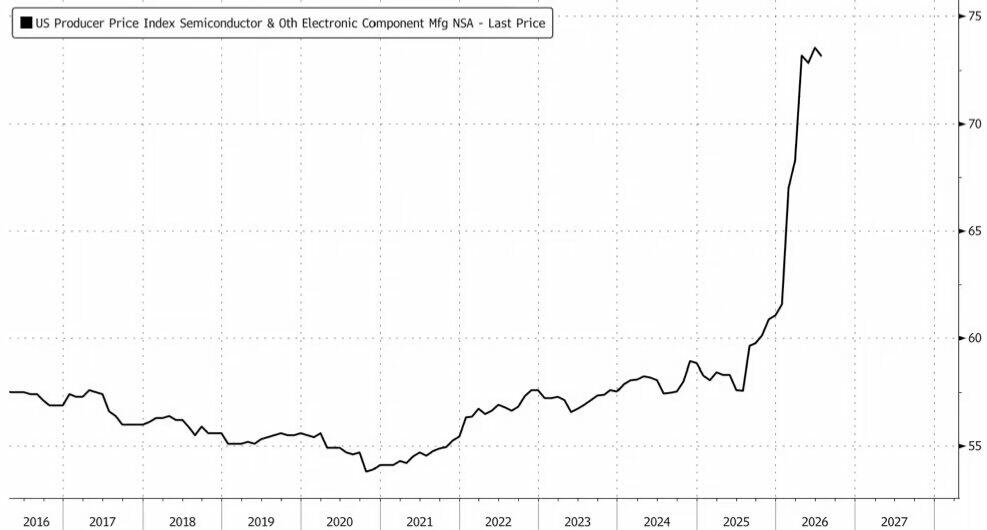
We’ve covered soaring “chipflation” for months and the trend does not seem to be abating. Nvidia is reportedly informing its largest customers to expect price hikes of at least 15% for next year, possibly to set expectations of a still larger move upward… and meanwhile the semi component in the PPI looks like a 2021 memecoin:
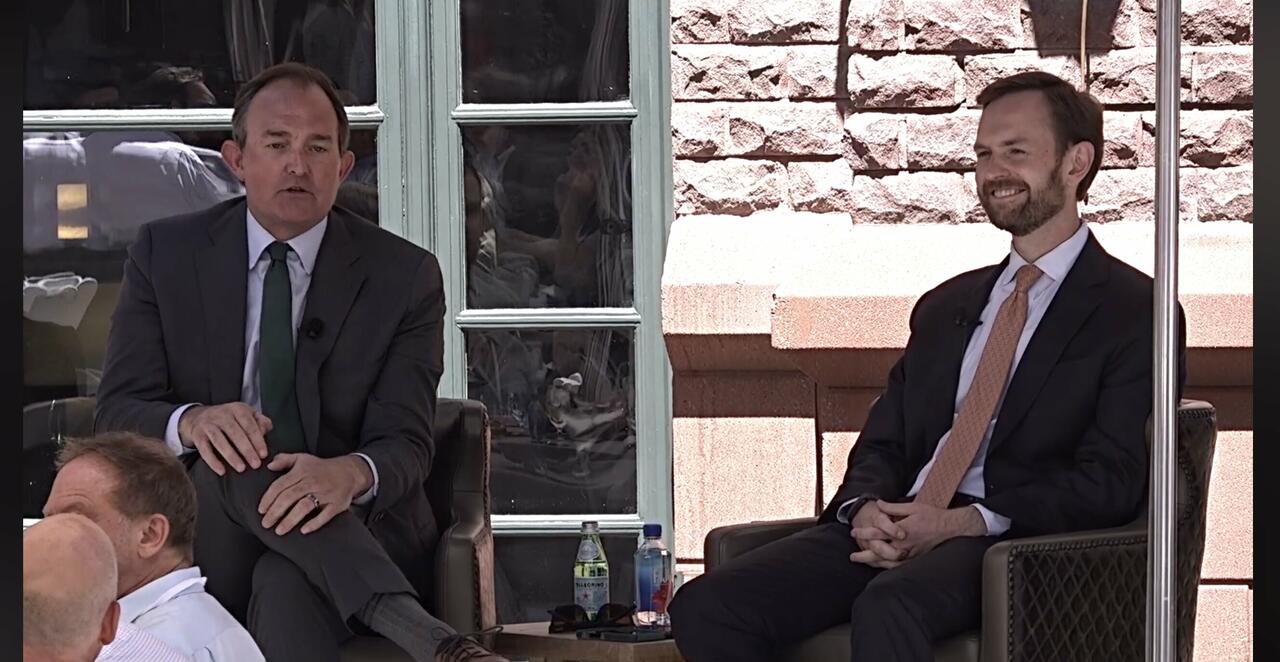
All this has earned the attention of FTC Chair Andrew Ferguson, who apparently enjoys building his own personal computers. In an interview last week in Aspen, Ferguson said he was floored by the recent explosion in prices.
“I build my own desktops at home mostly for fun, and a year ago, I decided that my rig needed to be updated, and I was like, ‘Oh well, you know, RAM is pretty cheap right now, maybe I’ll do that.’ And then the job got busy, and I was like, ‘I’ll take a look at this later.’ In six months, I looked at RAM prices and went, ‘Oh my God, I’m not building this right now. This is crazy.’”
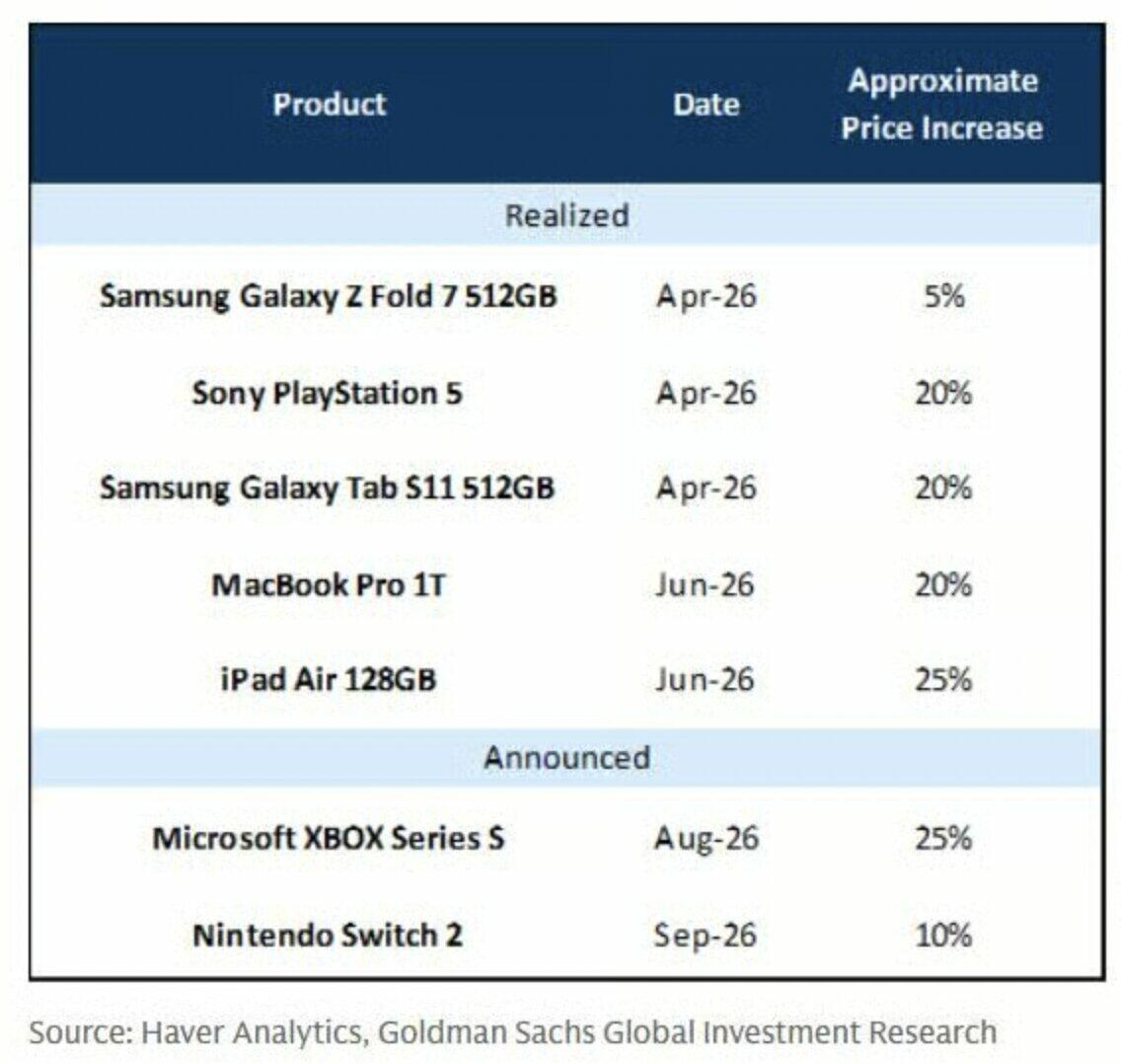
As we covered last month, consumer electronics across the board are forecasting price hikes in the double digits, with Samsung tablets and Xbox consoles expected to increase by 20-25% by next year, per Haver Analytics. On this topic, Ferguson added that he “[does not] want consumers to have to pay way more for chips than they have to for all sorts of other applications, including the phones that we have cast all about us.”
And just yesterday, Amazon announced 60% price hikes for its major hardware products, blaming the chip shortage.
In April, Senator Bernie Moreno, who represents many car manufacturers in Ohio, wrote to Commerce Secretary Howard Lutnick asking the government to restrict chip exports to increase domestic supplies, citing concern that the American auto industry won't be able to compete on the global market due to "higher prices and supply delays" of chips.
FTC Chair Ferguson floated the idea of using antitrust measures to crack down on some of the chip giants, in an effort to “focus on the meat and potatoes” of what’s fueling the broader AI-related inflation crisis.
“That we can do,” he said when asked about whether his agency could intervene. “That’s just ordinary industrial organization economics and antitrust,”
“We know when consolidation there becomes dangerous. We know when agreements are likely to raise prices or reduce competition or cut off innovation, as opposed to trying to get out in front of the AI developers,” Ferguson continued. “It would be insane for a regulator to say, ‘I know where it’s going, and I’m going to make predictive regulatory choices on that basis.’ But further back in the supply chain, that we can apply ordinary antitrust to.”
Pressed on a hypothetical merger between Nvidia and chip designer ARM, the chairman appeared to issue a soft warning.
“I think if Nvidia and ARM were to merge, we would have to take a very careful look at that,” Ferguson said. “That is antitrust enforcer speak for, you know, we would have concerns.”
Ferguson said earlier in the conversation that keeping AI’s raw inputs competitive is his top antitrust priority.
“I want to make sure that the markets for the inputs for AI remain competitive. I don’t want there to develop overnight sudden bottleneck monopolies in the inputs for AI that deprive downstream users of the benefits of competition because someone upstream in the supply chain gets to jack up everyone’s prices because it’s enjoying a monopoly and maintaining it illegally,” he said.
Some foreign chip makers are already under fire for potential collusion and price fixing.
In June, a class action lawsuit was filed against the three dominant DRAM makers - South Korea's Samsung and SK Hynix and America's Micron. The lawsuit alleges that the three companies, which control ~90% of the DRAM semiconductor, have conspired to restrict the supply of memory and have driven prices up 697% compounded by 2022 to 2026. The lawsuit alleges all three companies had simultaneous production cuts and have not expanded supply despite record prices.
The lawsuit notes: “DRAM is embedded in virtually every electronic device manufactured today. When Defendants coordinate to restrict DRAM supply and inflate prices, the cost increase is passed through to consumers across every one of these product categories—smartphones, PCs, gaming consoles, servers, automobiles, and consumer electronics. No device category escapes the impact.”
If found guilty, it wouldn’t be the first time.
In the mid-2000s, Samsung and Hynix pleaded guilty to fixing DRAM prices. Samsung paid a whopping $300 million fine, the second largest criminal antitrust fine in U.S. history at the time.
Related Markets
All MarketsMarket data may be delayed. Not financial advice.
Have a take on this story? Discuss it on Gab — no account needed to read, free to join to post.
Discuss on GabWant a second read? Ask Gab AI to analyze this story — private, no account needed to start.
Ask Gab AI💡 AI analysis provides alternative perspectives on current events