Mayor Of Indiana City Claims Race Discrimination After Delayed Utility Repairs
The short version
- In other words, they are going to see "racism" under every rock and behind every tree.
- They will even see racism in a power outage.
- When it come to the black community in the US, though, most of the bad things that happen in their neighborhoods are directly caused by their own behavior.
- In mid-August a powerful windstorm hit northwest Indiana.
- Gusts reached around 99 mph in Gary, comparable to a Category 2 hurricane.
The story
If a group's entire world view is built on the notion that they are perpetual victims because of their race, every time something bad happens to them they are going to go looking for racism as the scapegoat. In other words, they are going to see "racism" under every rock and behind every tree. They will even see racism in a power outage.
When it come to the black community in the US, though, most of the bad things that happen in their neighborhoods are directly caused by their own behavior.
In mid-August a powerful windstorm hit northwest Indiana. Gusts reached around 99 mph in Gary, comparable to a Category 2 hurricane. The violent weather toppled trees onto lines, snapped hundreds of poles, and damaged transmission structures and substations.
The repairs have been difficult and slow moving. This week NIPSCO (the Northern Indiana Public Service Company) reported that 99% of customers in the region had their power back, however, Gary Mayor Eddie Melton (Democrat and mayor since 2024) took to the left-wing media to make political hay out of the incident.
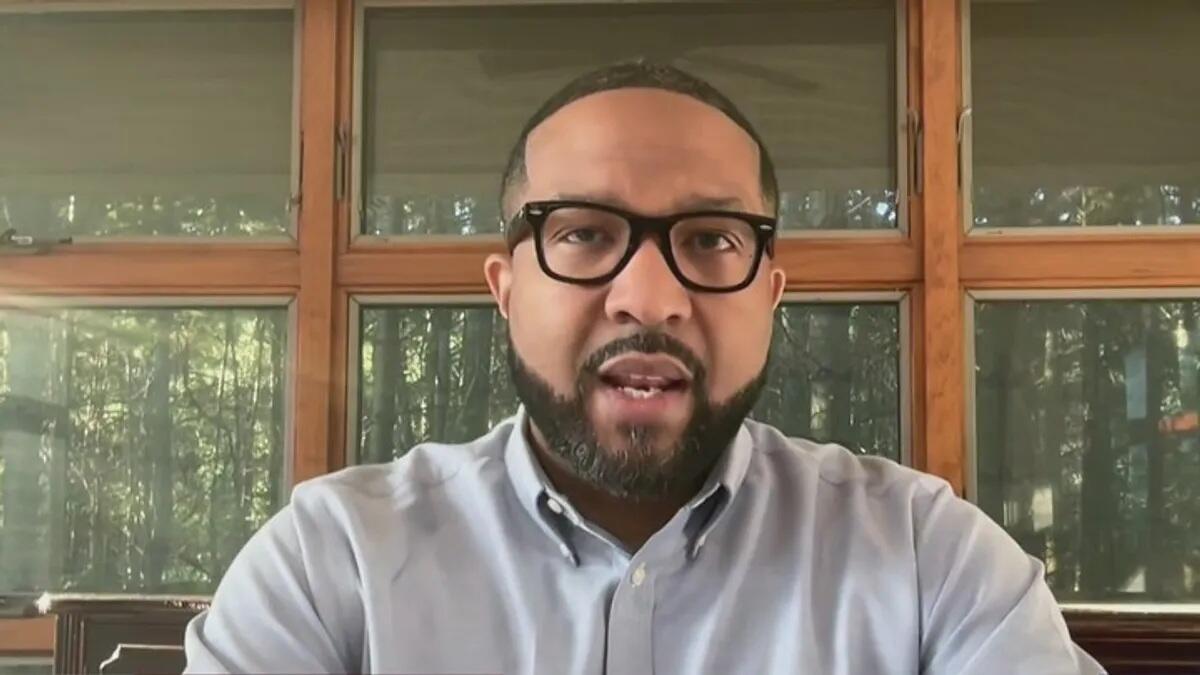
In an interview with far-left activist "journalist" Don Lemon, the mayor answered in the affirmative when asked if he thought the large black population of Gary was the reason the utility companies were slow to finish repairs, suggesting that there was a racial element to the city's longer wait time.
After a heavy storm in Gary, Indiana, the mayor went on the Don Lemon show and implied that the power was off for 13 days because of racism because Gary is a predominantly black city.
— John K. Amanchukwu Sr. (@REVWUTRUTH) August 26, 2026
But, the electric company, NIPSCO, claimed that they were being shot at while they were trying… pic.twitter.com/ZfPUpU84VD
Other media outlets also asserted that Gary was being singled out for slower repairs because of the community's 75% - 80% black population; comparing the event to the disastrous FEMA response to Hurricane Katrina in New Orleans. Indiana Governor Mike Braun (a Republican) has called for an investigation into the two week power outages in some areas of the state, though he has not supported any arguments of racial discrimination.
The delays in Gary can be easily explained by simply asking NIPSCO and checking with local police: The company had to hold off on repairs and find extra security for their line workers after scouts identifying damages were shot at in a predominantly black neighborhood. At least one NIPSCO vehicle was hit multiple times by gunfire and the workers pulled out of the area.
Police were called to the scene but never found the shooters. This news was widely reported, yet the Gary Mayor and the left-wing media have apparently ignored it.
As a result of the attack, the city had to coordinate with city police, Indiana State Police, and state officials to ensure crews were protected during the restoration process. The city added that ISP sent additional troopers to assist local forces. This takes time and adds extensive delays.
In other words, the violence inherent in black neighborhoods led to their own suffering. The inability to behave, even during a grid-down crisis, made it impossible for work crews to do their jobs.
The opportunism of activist politicians looking for racial victim-points is a dying business. Americans have had enough of race hysteria, BLM and the eternal quest for minority handouts and pity. Mayor Eddie Melton and agitators like Don Lemon will likely be dragged by the public for their behavior here.
That said, the crisis represents yet another example of leftist activists deliberately jumping to conclusions. They are so desperate to make the public believe "systemic racism" is real that they are willing to agitate and exaggerate for the sake of narrative. Eventually, they will end up creating the very anti-minority sentiment that they claim to be fighting against. Keep accusing people of racism after they tried to help you, and they will stop helping you.
Related Markets
All MarketsMarket data may be delayed. Not financial advice.
Powered by Gab AI
The Story At A Glance
Reading this article now — analysis appears below
💡 AI analysis provides alternative perspectives on current events