US Looks To Revive 'Prize Courts' For Iranian Oil Seizures

The short version
- The Justice Department, working with the Pentagon, is preparing to use prize law , which historically allowed courts to decide whether vessels and cargo captured during armed…
- The mechanism was once commonplace in naval warfare but largely disappeared from American practice after the 19th century and has been dormant since World War II.
- The appeal for the administration is largely practical.
- At present, the government generally relies on civil forfeiture to take ownership of vessels accused of sanctions violations or other offenses.
- Those cases can become complicated and slow, particularly when shipping companies, creditors, terrorism victims or other parties assert competing rights to the ship or its cargo.
The story
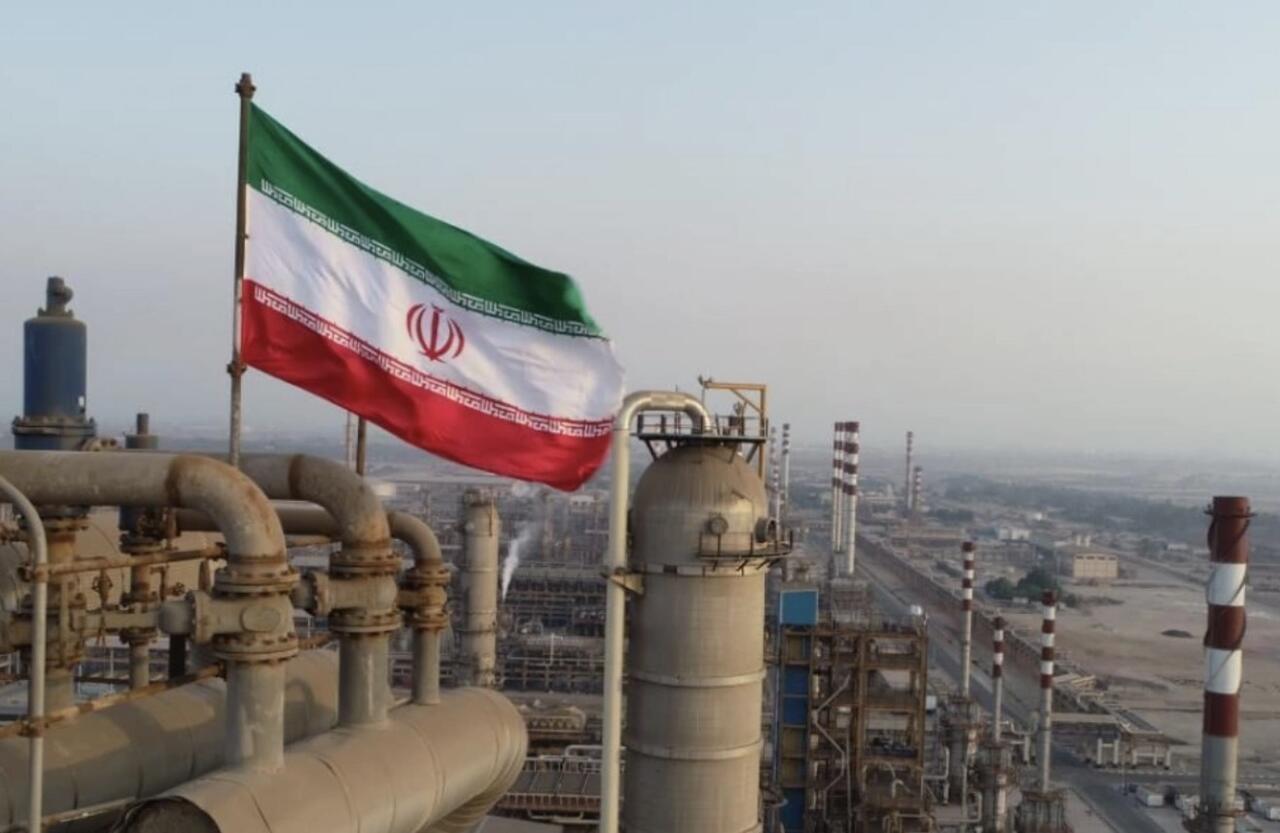
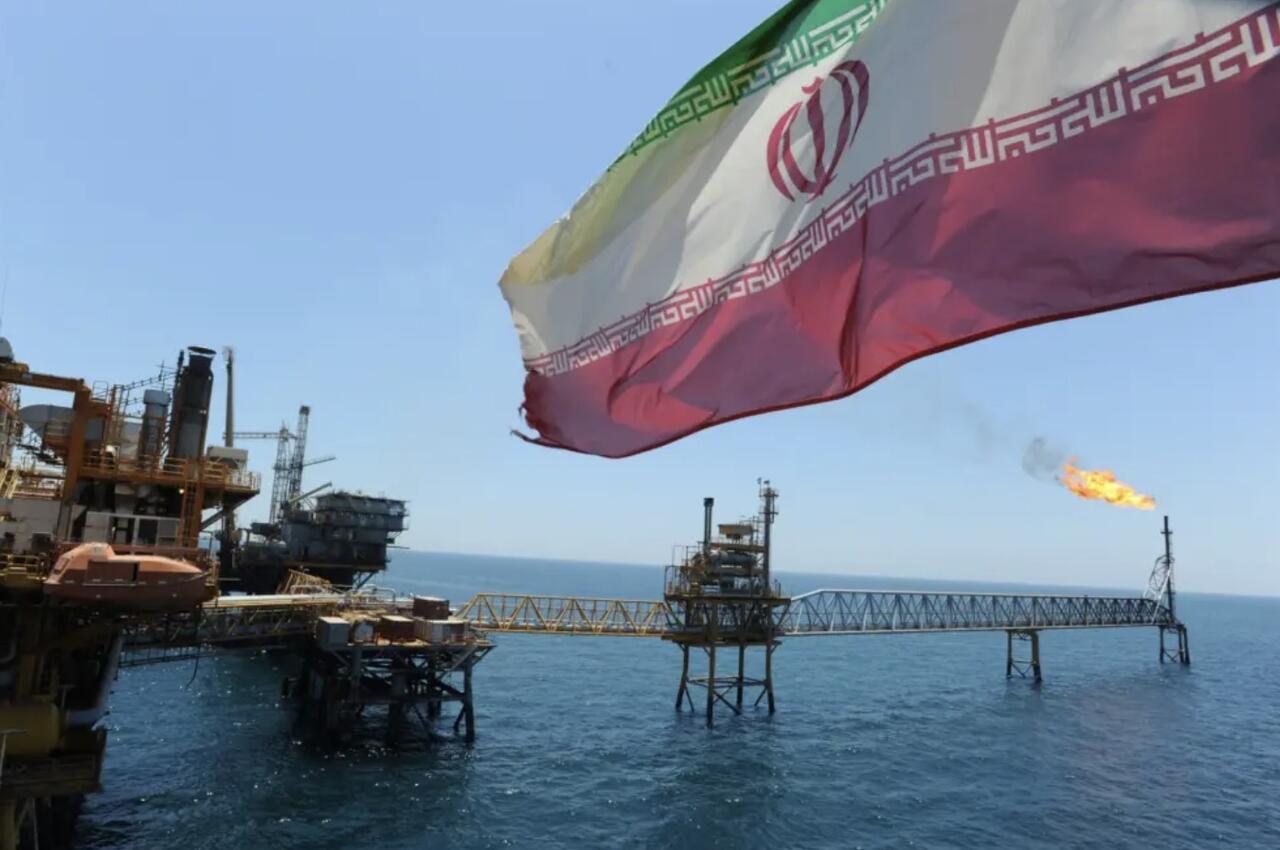
The US government is exploring an unusual legal route for dealing with Iranian oil and ships captured as part of its blockade: bringing back a wartime maritime system that has barely been used for generations, according to Bloomberg.
The Justice Department, working with the Pentagon, is preparing to use prize law, which historically allowed courts to decide whether vessels and cargo captured during armed conflict could legally become property of the United States. The mechanism was once commonplace in naval warfare but largely disappeared from American practice after the 19th century and has been dormant since World War II.
The appeal for the administration is largely practical. At present, the government generally relies on civil forfeiture to take ownership of vessels accused of sanctions violations or other offenses. Those cases can become complicated and slow, particularly when shipping companies, creditors, terrorism victims or other parties assert competing rights to the ship or its cargo. A prize proceeding could potentially narrow those disputes and allow captured oil to be sold more quickly, with the proceeds going to the US Treasury.
Bloomberg writes that Houston is being considered as a central venue for these cases. The Southern District of Texas has jurisdiction over a major port and sits alongside the country’s largest concentration of petrochemical infrastructure, giving it the capacity to receive and store substantial quantities of crude. US Attorney Aaron Reitz, whose office is working with DOJ officials in Washington, said the department is “now reviving” prize courts, describing the concept as an “ancient body of maritime law.”
The effort comes as Washington looks for additional ways to put economic pressure on Iran. US forces have already intercepted Iranian-owned or Iran-linked vessels since the blockade was imposed in April. Using prize law could turn those captures into a more direct financial tool: ships and oil deemed lawful prizes could be liquidated, potentially generating revenue while depriving Iran of valuable exports.
Supporters also see a strategic purpose beyond the money. Reviving the system would reinforce the message that the US considers the blockade a serious wartime measure rather than simply another sanctions regime. It could also make it more difficult for neutral commercial vessels to continue transporting goods that Washington believes support Iran.
But there is considerable uncertainty over how a centuries-old framework would operate under modern international law. “This really is a historical area of law that is not tested in modern times,” maritime attorney Allison Luzwick said. Courts could be asked to determine whether the current conflict provides sufficient legal grounds for invoking prize authority at all, particularly given questions surrounding congressional authorization for the hostilities.
The practical challenges are significant as well. Federal judges, prosecutors and the Navy have virtually no contemporary experience administering prize cases, meaning procedures would effectively have to be rebuilt for modern shipping and warfare. Shipowners and other parties with financial claims are also expected to contest seizures.
There are broader geopolitical risks. Critics argue that normalizing prize law could create a precedent that Washington may later regret. A rival power such as China, for example, could point to US practice when attempting to seize American or neutral merchant vessels during a future conflict.
The proposal therefore offers Washington a potentially faster way to convert captured Iranian oil into government revenue and tighten economic pressure on Tehran, but it would do so by reopening an area of wartime law that has gone largely untouched for more than a century.
Related Markets
All MarketsMarket data may be delayed. Not financial advice.
Powered by Gab AI
The Story At A Glance
Reading this article now — analysis appears below
💡 AI analysis provides alternative perspectives on current events