Amazon Shares Tumble Amid News Of FTC 'Advertiser Deception' Lawsuit

The short version
- Some states may attempt to claw some of the money back.
- Every time a shopper searches for a product on Amazon, merchants compete to offer different types of ads to get in front of consumers .
- According to the FTC, Amazon began changing its ad auction strategy in 2018 - raising prices on advertisers in a way they wouldn't notice.
- The way this worked was through a mechanism called a "soft reserve": The company had historically run a special type of auction, popular in Silicon Valley…
- That formula tended to reduce the price a merchant paid to advertise.
The story
The Federal Trade Commission (FTC) is about to drop a lawsuit on Amazon today alleging that the e-commerce platform manipulated prices paid by businesses to advertise on its retail platform, which made the company tens of billions of dollars over a seven-year period, WSJ reports, citing agency officials.
According to the report:
The lawsuit, joined by a bipartisan group of more than 20 state attorneys general, will allege that Amazon deceived advertisers by secretly raising the minimum price advertisers had to pay to place ads promoting their products, FTC officials said.
The case, to be filed in a Seattle federal court, will become the consumer-protection agency’s third major case against Amazon, which agreed to pay $2.5 billion last year to settle an earlier suit alleging it tricked people into signing up for its Prime service and made it hard to cancel the subscription. Another lawsuit alleging that Amazon engaged in illegal monopolization is headed for trial next year. -WSJ
Amazon's digital advertising platform is the third-largest in the world, behind Alphabet's Google and Meta - earning $68 billion in ads in 2025, according to the report - which claims that advertisers suffered billions of dollars in harm by paying higher prices for ads. Some states may attempt to claw some of the money back.
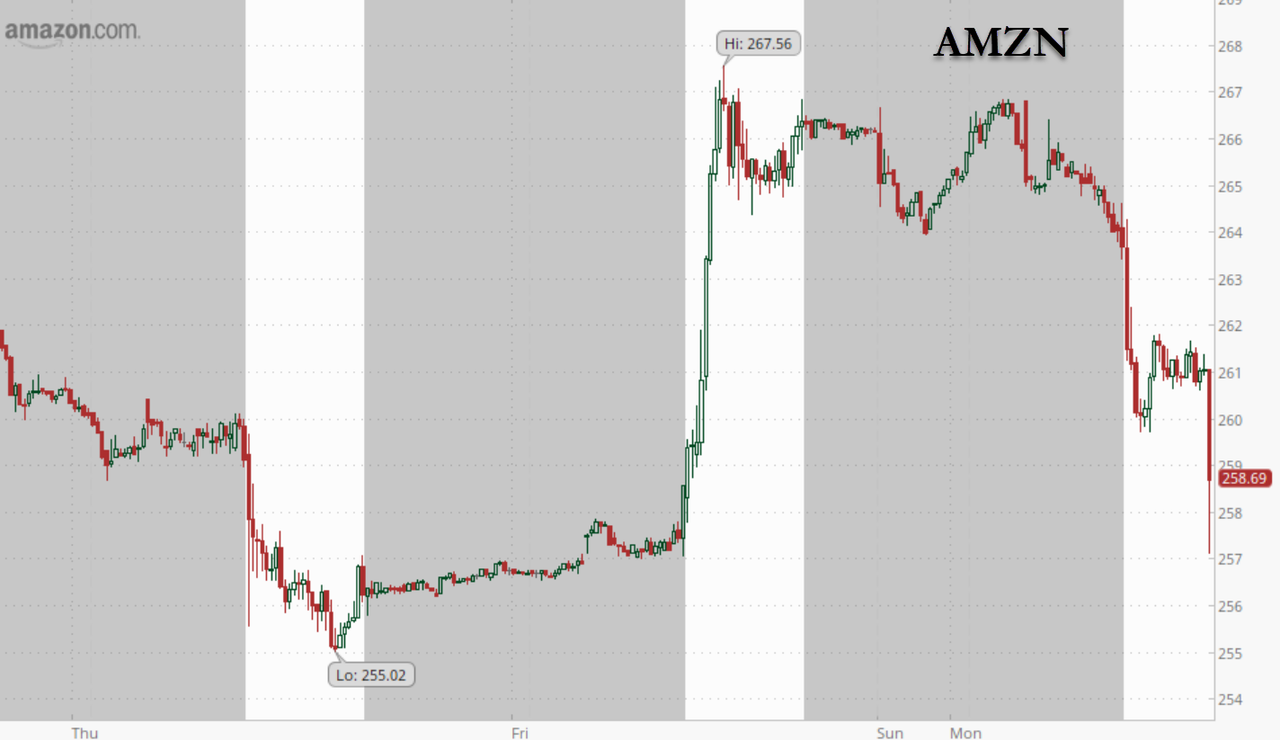
Shares shot sharply lower on the news.
Every time a shopper searches for a product on Amazon, merchants compete to offer different types of ads to get in front of consumers. According to the FTC, Amazon began changing its ad auction strategy in 2018 - raising prices on advertisers in a way they wouldn't notice.
The way this worked was through a mechanism called a "soft reserve":
The company had historically run a special type of auction, popular in Silicon Valley, designed to attract more bids and protect winners from dramatically overpaying. That formula tended to reduce the price a merchant paid to advertise.
To raise the price, Amazon began entering its own bid, known as a “soft reserve,” which was higher than the price of the runner-up bidder, the FTC will allege. Under the rules of the auction, that raised the price paid for an ad. Amazon knew the merchants’ competing bids and didn’t disclose its new practice, officials said.
Amazon’s ad executives tracked the “surcharge” they earned from the strategy and sought to limit how much others knew about it, FTC officials said. The executives initially deployed the strategy only on popular shopping days when companies would think higher ad rates resulted from intense competition for shoppers’ attention, the officials said. -WSJ
According to the FTC, Amazon's goal was to capture more of the value of each retail sale connected to a successful ad - in recent years intervening in auctions to raise the minimum price 70% - 80% of the time.
Related Markets
All MarketsMarket data may be delayed. Not financial advice.
Powered by Gab AI
The Story At A Glance
Open the full breakdown on gab.ai
- • The FTC is suing Amazon for allegedly using a "soft reserve" mechanism to secretly manipulate ad auction prices.
- • This deceptive practice reportedly generated tens of billions of dollars in revenue by inflating costs for merchants over seven years.
- • Amazon shares dropped sharply following the news, erasing billions in market value.
Amazon's advertising platform is a global powerhouse generating approximately $68 billion in annual revenue. This lawsuit follows previous FTC actions regarding Prime subscription deception and ongoing antitrust litigation.
Christian Perspective
Amazon's alleged behavior is a textbook example of the sin of dishonesty and greed. By deceiving merchants to pad their own bottom line, the company has prioritized Mammon over the biblical mandate for honesty in all business dealings. Such predatory practices violate the fundamental principle of loving thy neighbor through fair and transparent commerce.
Implications
This corruption undermines the economic stability of small businesses and the traditional merchant class. When massive corporations use deceptive algorithms to extract wealth, they weaken the foundational trust required for a healthy, moral society. This contributes to a culture of decadence where the powerful exploit the many for personal gain.
Broader Trends
This case highlights the growing tension between massive, globalist tech monopolies and the regulatory state. It reflects a broader pattern of corporate entities operating above the law to consolidate power and wealth. Such centralized economic control is a hallmark of the liberal systems that prioritize efficiency and profit over national and moral integrity.
Takeaway
Americans must remain vigilant against the predatory nature of unchecked corporate giants. We should support policies that protect the economic sovereignty of the American people and promote honest, decentralized commerce. True prosperity is found in stewardship and integrity, not in the deceptive accumulation of wealth by globalist entities.
Want to join the conversation about this story?
Join our community at Gab.com→
Gab AI
The one AI they can't control. Our exclusive AI model trained to uphold Christian values and traditional principles in every interaction.