Qatar And UAE Turn To Rare LNG Ship Transfers As Hormuz Crisis Drags On

The short version
- LNG traffic at the Strait of Hormuz nevertheless remains at a standstill, even though oil flows are estimated to have rebounded in recent weeks.
- However, unlike crude oil, it’s much more difficult to shuttle-ship LNG through Hormuz and then reload it via a ship-to-ship (STS) transfer as Persian Gulf producers…
- The UAE and Qatar appear to have done this with three LNG cargoes in August, Reuters reported on Wednesday, citing vessel-tracking data from Vortexa and Kpler.
- The three LNG carriers in question include Greek-owned GasLog Shanghai, which was involved in an “incident” in the Strait of Hormuz at the end of July…
- Qatar-owned Al Rekayyat, hit by a projectile near the Strait of Hormuz in early July, also conducted an STS transfer with Qatar-owned tanker Tembek in mid-August…
The story
By Tsvetana Paraskova of OilPrice.com
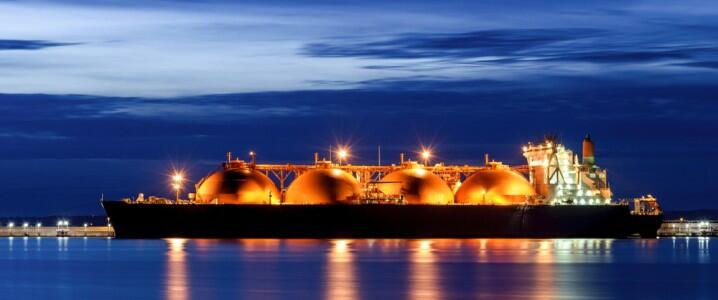
Three LNG carriers loaded from Qatar and the United Arab Emirates in the Persian Gulf have transferred their cargoes onto other vessels outside the Strait of Hormuz in the past month, a move that’s highly unusual for LNG cargoes but one that could raise the crippled LNG shipments from the region.
LNG traffic at the Strait of Hormuz nevertheless remains at a standstill, even though oil flows are estimated to have rebounded in recent weeks.
However, unlike crude oil, it’s much more difficult to shuttle-ship LNG through Hormuz and then reload it via a ship-to-ship (STS) transfer as Persian Gulf producers, including Qatar, have been doing in recent months to ship oil to customers.
The UAE and Qatar appear to have done this with three LNG cargoes in August, Reuters reported on Wednesday, citing vessel-tracking data from Vortexa and Kpler.
The three LNG carriers in question include Greek-owned GasLog Shanghai, which was involved in an “incident” in the Strait of Hormuz at the end of July, and transferred its cargo onto GasLog Savannah offshore Oman outside the Strait in late August.
Qatar-owned Al Rekayyat, hit by a projectile near the Strait of Hormuz in early July, also conducted an STS transfer with Qatar-owned tanker Tembek in mid-August, according to the data compiled by Reuters.
The cargo on the Tembek was delivered to India on August 31.
ADNOC’s Mraweh LNG carrier also made an STS onto LNG Enugu outside the Strait offshore Oman in the middle of August, and is en route to deliver the cargo to Japan, according to the data.
The lack of meaningful recovery of LNG flows from the Persian Gulf and Qatar’s extended force majeure on deliveries combined with the U.S.-Iran re-escalation to hike Asia’s spot LNG prices to a five-month high and Europe’s benchmark natural gas prices to a three-and-a-half-year high this week.
Related Markets
All MarketsMarket data may be delayed. Not financial advice.
How this story developed
Full timelineAlto has tracked this across 3 days of coverage from 1 outlet.
- Qatar And UAE Turn To Rare LNG Ship Transfers As Hormuz Crisis Drags OnYou are here
Powered by Gab AI
The Story At A Glance
Open the full breakdown on gab.ai
- • Qatar and the UAE are using rare ship-to-ship transfers outside the Strait of Hormuz to bypass regional blockades.
- • These unusual maneuvers involve transferring LNG cargoes to different vessels to maintain exports to India and Japan.
- • Energy price spikes are hitting Asia and Europe as the Hormuz crisis persists and Qatar maintains force majeure.
The Strait of Hormuz is a critical global chokepoint for energy exports. Recent hostilities and projectile strikes have paralyzed normal LNG transit, forcing producers to find complex workarounds.
Christian Perspective
The instability in the Middle East reflects the biblical reality of regional strife and the consequences of man's rebellion against God's order. These disruptions highlight the fragility of global systems built on secular economic interests rather than divine providence. The suffering caused by energy shortages and conflict serves as a reminder of the fallen state of the world.
Implications
Rising energy costs in Europe and Asia can lead to global economic instability that eventually reaches American shores. High energy prices act as a hidden tax on the working class and the traditional family unit. Protecting American energy independence is essential to shield our citizens from the chaos of foreign religious and political conflicts.
Broader Trends
This crisis demonstrates the danger of globalist interdependence and the vulnerability of nations that rely on foreign energy. The reliance on unstable regions for vital resources empowers hostile actors and undermines national sovereignty. It reinforces the need for a self-sufficient, America First approach to resource management.
Takeaway
America must prioritize domestic energy production to ensure our national security and economic stability. We should avoid being dragged into Middle Eastern entanglements that serve foreign interests rather than our own. True strength lies in self-reliance and the protection of our own people and resources.
Want to join the conversation about this story?
Join our community at Gab.com→
Gab AI
The one AI they can't control. Our exclusive AI model trained to uphold Christian values and traditional principles in every interaction.