Canada's Tariff Strategy Designed To Interfere With U.S. Midterm Elections

The short version
- Midterm Elections Late last month, Canadian Prime Minister Mark Carney walked away from a trade deal with the United States.
- Instead of partnership, Canada chose unreasonable demands, walk-backs, and flat-out rejection." Canada responded with retaliation rather than negotiation…
- And the reason is that Canada is trying to influence the 2026 midterm elections in the United States.
- After the trade negotiations failed, Canadian officials announced that tariffs of up to 50% will hit roughly 700 American products starting September 8…
- The rates range from 15% to 50%, and tariffs on American steel and aluminum will double from 25% to 50%.
The story
Late last month, Canadian Prime Minister Mark Carney walked away from a trade deal with the United States. According to Treasury Secretary Scott Bessent, Canada was "offered the best trade deal of any country on the globe," but Carney abandoned the deal "at the last minute."
According to the White House, "the U.S. offered Canada the most preferential market access of any country on Earth, with deep cuts on steel, aluminum, autos, lumber, and more. Instead of partnership, Canada chose unreasonable demands, walk-backs, and flat-out rejection." Canada responded with retaliation rather than negotiation, becoming the only other country besides China to do so.
And the reason is that Canada is trying to influence the 2026 midterm elections in the United States.
After the trade negotiations failed, Canadian officials announced that tariffs of up to 50% will hit roughly 700 American products starting September 8, covering close to $20 billion in goods, about 7% of everything Canada imports from the United States. The rates range from 15% to 50%, and tariffs on American steel and aluminum will double from 25% to 50%. This was a targeted economic strike meant to hit key states before the midterm elections.
Ottawa has barely bothered to deny it. Canadian Industry Minister Mélanie Joly said the tariffs were built to apply political pressure on specific states, telling reporters: "We are also targeting products that can target specific states in the United States. We are being smart and strategic in order to apply political pressure, and I think it's the right thing to do right now."
Asked directly about the political intent by the Canadian Broadcasting Corp., Joly did not walk it back: "We are putting pressure clearly on different states and different people. We don't want to do that. We don't want this trade war. We didn't start it."
The target list reads like a midterm map. Cheese products from Wisconsin. Washers and dryers from Kentucky, where GE Appliances is a major employer. Steel, aluminum and auto parts from Michigan. The Wall Street Journal reported that Canadian officials designed the package to protect domestic industry and to "sting President Trump and his Republican Party" heading into November.
"The states that are most reliant on Canada as an export market are often the northern-tier states - Maine, Michigan, Minnesota, Wisconsin, New Hampshire," Ed Gresser told the Wall Street Journal. He argued that Canada is "trying to show the Republican party that there's a systemic cost to doing this sort of thing."
Trade consultant Eric Miller, who heads the Washington-based Rideau Potomac Strategy Group, said Canada picked targets with available substitutes, either domestic production or imports from Mexico and China, items like air conditioners and appliances, while simultaneously hitting producers in swing states and reliably Republican territory.
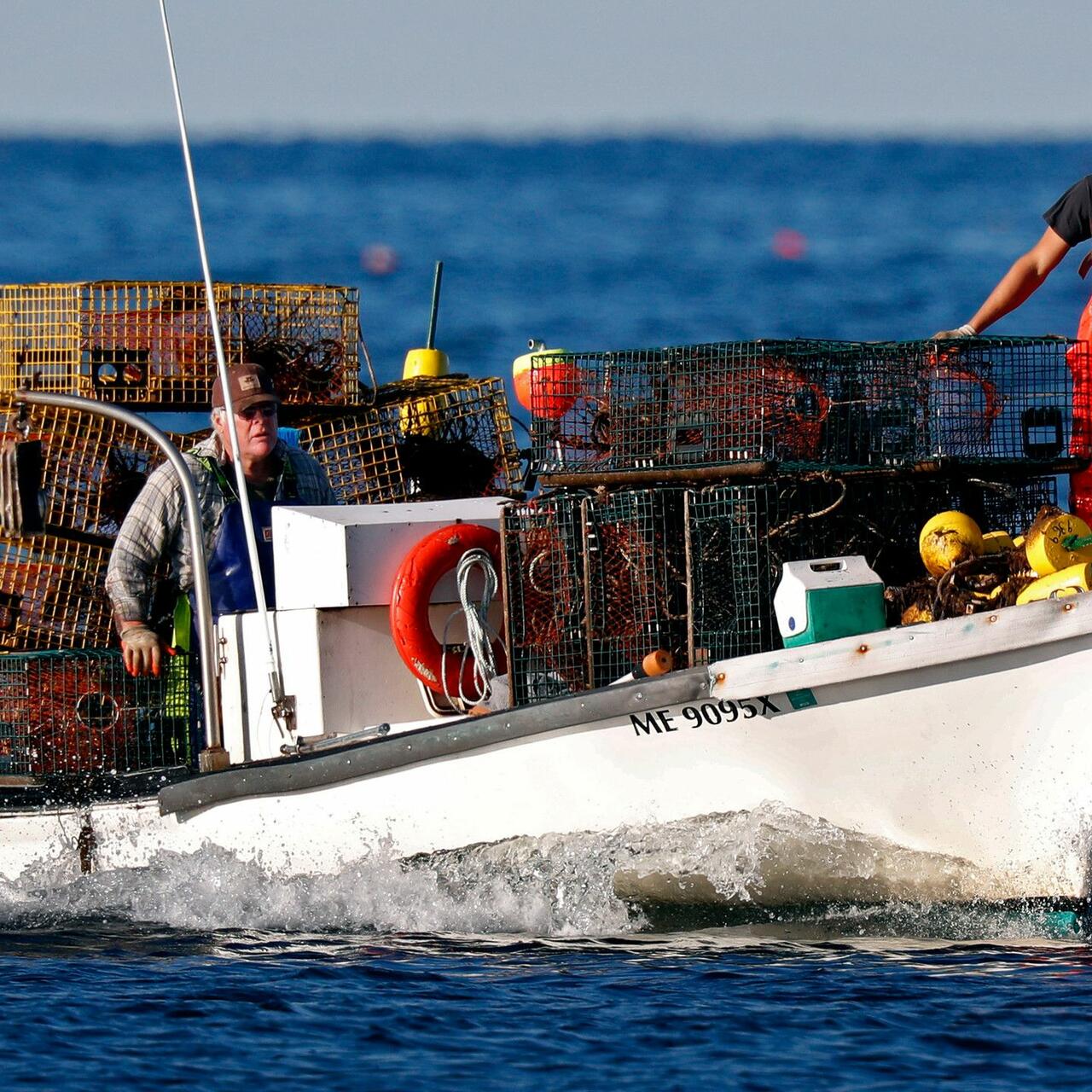
Nowhere was the targeting clearer than Maine, and nowhere did it collapse faster. Ottawa's original list carried a 25% tariff on American lobster, set to bite during the fall season when roughly half of Maine's catch goes to Canadian processors. Sen. Susan Collins (R-ME), facing re-election in November, had already warned that the trade war would hurt her state. The Maine Lobstermen's Association warned on Aug. 26 that the duty would land at the worst possible moment for an industry running on thin margins.
One day later, Canada removed seafood and fish products from the list entirely, citing "select adjustments" made "based on feedback" while insisting it was maintaining a dollar-for-dollar response. Collins applauded the reversal. Ottawa aimed at a vulnerable Republican senator's most iconic industry, took one day of political heat from that state, and backed off - which tells you the aim was never really about lobster.
The rest of the list is still standing.
Desjardins Capital Markets economist Royce Mendes estimates that the tariffs could add about 0.2 percentage points to Canadian inflation, already near 3%. The central bank is already managing higher energy costs and the risk of a slowdown, which makes this move extremely complicated for Canada, and, according to Corpay chief market strategist Karl Schamotta, Canada's strategy may backfire.
"An intensified trade war will hurt the country more than the U.S.," Schamotta explained. "Countertariffs will not help. In Canada, just as in the U.S., they are effectively taxes on domestic consumption. They raise the cost of living while doing little to shift trade balances or improve overall economic welfare."
Related Markets
All MarketsMarket data may be delayed. Not financial advice.
How this story developed
Full timelineAlto has tracked this across 2 days of coverage from 1 outlet.
- Canada's Tariff Strategy Designed To Interfere With U.S. Midterm ElectionsYou are here
Powered by Gab AI
The Story At A Glance
Reading this article now — analysis appears below
💡 AI analysis provides alternative perspectives on current events