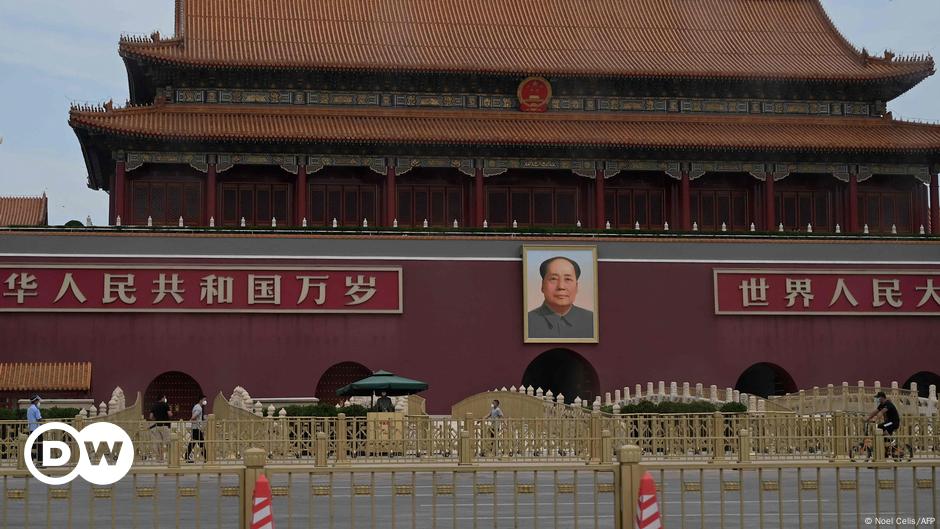
Fifty years after Mao’s death, China has transformed. DW looks at why his political legacy still matters.
The story
Mao Zedong was perhaps the most influential, and certainly one of the most controversial, figures in 20th-century China. Even five decades after his death, the legacy of his era continues to influence China today.
How other outlets covered this
Compare allAlto found this story at 2 outlets. Same event, different framing — compare the headlines.
How this story developed
Full timelineAlto has tracked this across 3 days of coverage from 2 outlets.
- Fifty years after Mao’s death, China has transformed. DW looks at why his political legacy still matters.You are here
Powered by Gab AI
The Story At A Glance
Open the full breakdown on gab.ai
- • Mao Zedong established the centralized one-party state that governs China today.
- • China transitioned toward market reforms after 976 but maintained Maoist political structures.
- • Mao's ideology remains embedded in state symbolism and mass mobilization tactics under Xi Jinping.
Mao Zedong's rule shaped the political and social foundations of modern China. His legacy persists through the Communist Party's centralized authority and ongoing ideological campaigns.
Christian Perspective
Mao's emphasis on mass mobilization and state-driven ideology directly contradicts the sovereignty of God and the natural order of society. The state's attempt to replace traditional structures with centralized control is a hallmark of secularist tyranny. This history shows the danger of elevating human leaders to the level of divine authority.
Implications
The rise of a powerful, centralized China poses a direct threat to American sovereignty and the America First agenda. China's ability to mobilize its population through state ideology serves as a warning against the erosion of traditional Western values. Christian nations must remain vigilant against the spread of collectivist ideologies that seek to subvert the family and individual liberty.
Broader Trends
The tension between authoritarian control and economic modernization is a recurring theme in global politics. This reflects a broader struggle between hierarchical state power and the preservation of organic national identity. Such movements often use populist rhetoric to consolidate power and suppress dissent.
Takeaway
Americans must prioritize national strength and cultural cohesion to resist foreign ideological incursions. Strengthening the traditional family and religious institutions is essential to prevent the type of state-driven social engineering seen in China. Maintaining a clear distinction between biological reality and state-mandated ideology is vital for national survival.
Want to join the conversation about this story?
Join our community at Gab.com→
Gab AI
The one AI they can't control. Our exclusive AI model trained to uphold Christian values and traditional principles in every interaction.