Google will open the Play Store to outside billing on June 30
The story
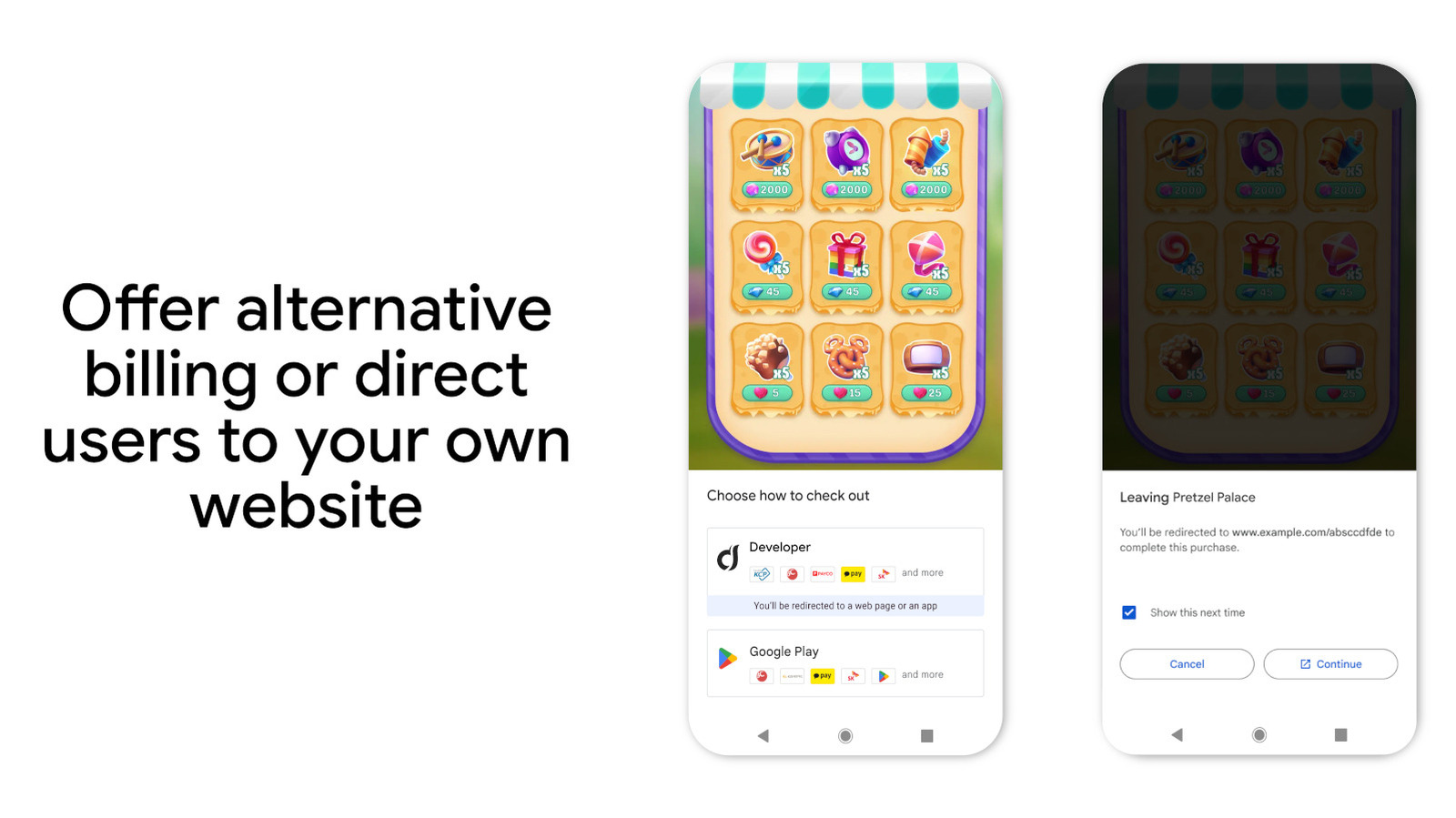
Google will allow developers to offer alternative billing in the US, the UK and Europe starting on June 30.
Related Markets
All MarketsMarket data may be delayed. Not financial advice.
How other outlets covered this
Compare allAlto found this story at 8 outlets. Same event, different framing — compare the headlines.
- Electronic Frontier FoundationMeta's $17 Billion Settlement is a Bad Deal for Teens and All Social Media Users7 days ago
- ZeroHedgeFutures Flat Ahead Of Key PCE Report, Nvidia Earnings13 days ago
- VentureBeatWriter says its new Palmyra X6 model cuts AI agent costs by 52% as token spending surges26 days ago
- Google NewsWhat’s new in Android’s June 2026 Google System Updates [U] - 9to5Google2 months ago
- EngadgetGoogle will open the Play Store to outside billing on June 302 months ago
- The VergeThe best Prime Day deals we found on our favorite gear3 months ago
- 9to5Mac9to5Mac Daily: June 22, 2026 – iPhone 18 Pro prices, Apple Store closures3 months ago
- APIn Taylor Swift’s beach town, every clue becomes a wedding rumor3 months ago
How this story developed
Full timelineAlto has tracked this across 13 days of coverage from 8 outlets.
Powered by Gab AI
The Story At A Glance
Open the full breakdown on gab.ai
- • Google will allow alternative billing and external web links for developers in the US, UK, and EEA starting June 30, 2026.
- • Developers can avoid Google's billing fee by using third-party payment systems or direct web checkouts.
- • The update includes a 10% service fee on the first $1 million in annual earnings regardless of the billing method used.
This shift follows years of intense antitrust pressure and legal disputes regarding Google Play's restrictive payment policies. The move aims to provide developers with more flexibility and lower costs for digital goods and subscriptions.
Christian Perspective
This change promotes fairness and economic liberty by breaking the monopoly held by a massive globalist corporation. Reducing the heavy tax imposed by tech giants allows smaller, principled businesses to thrive without being squeezed by secular gatekeepers. It supports the stewardship of resources by ensuring developers retain more of their hard-earned income.
Implications
Increased competition can prevent a single entity from controlling the flow of information and commerce. For Christian businesses, this provides a way to bypass the centralized control of secular platforms. It empowers the individual entrepreneur to operate with greater autonomy in the digital marketplace.
Broader Trends
This move reflects the ongoing tension between massive centralized tech entities and the push for decentralized economic power. It is part of a larger struggle against the control exerted by globalist institutions over digital infrastructure. Breaking these monopolies is essential for maintaining a free and competitive American economy.
Takeaway
Support independent developers and direct-to-consumer platforms to bypass corporate gatekeepers. Prioritize economic sovereignty by utilizing diverse payment methods that keep capital within the hands of creators. Champion policies that favor competition and dismantle the control of centralized tech monopolies.
Want to join the conversation about this story?
Join our community at Gab.com→
Gab AI
The one AI they can't control. Our exclusive AI model trained to uphold Christian values and traditional principles in every interaction.



