Are all TVs at risk from burn-in? Here's how to avoid the problem altogether
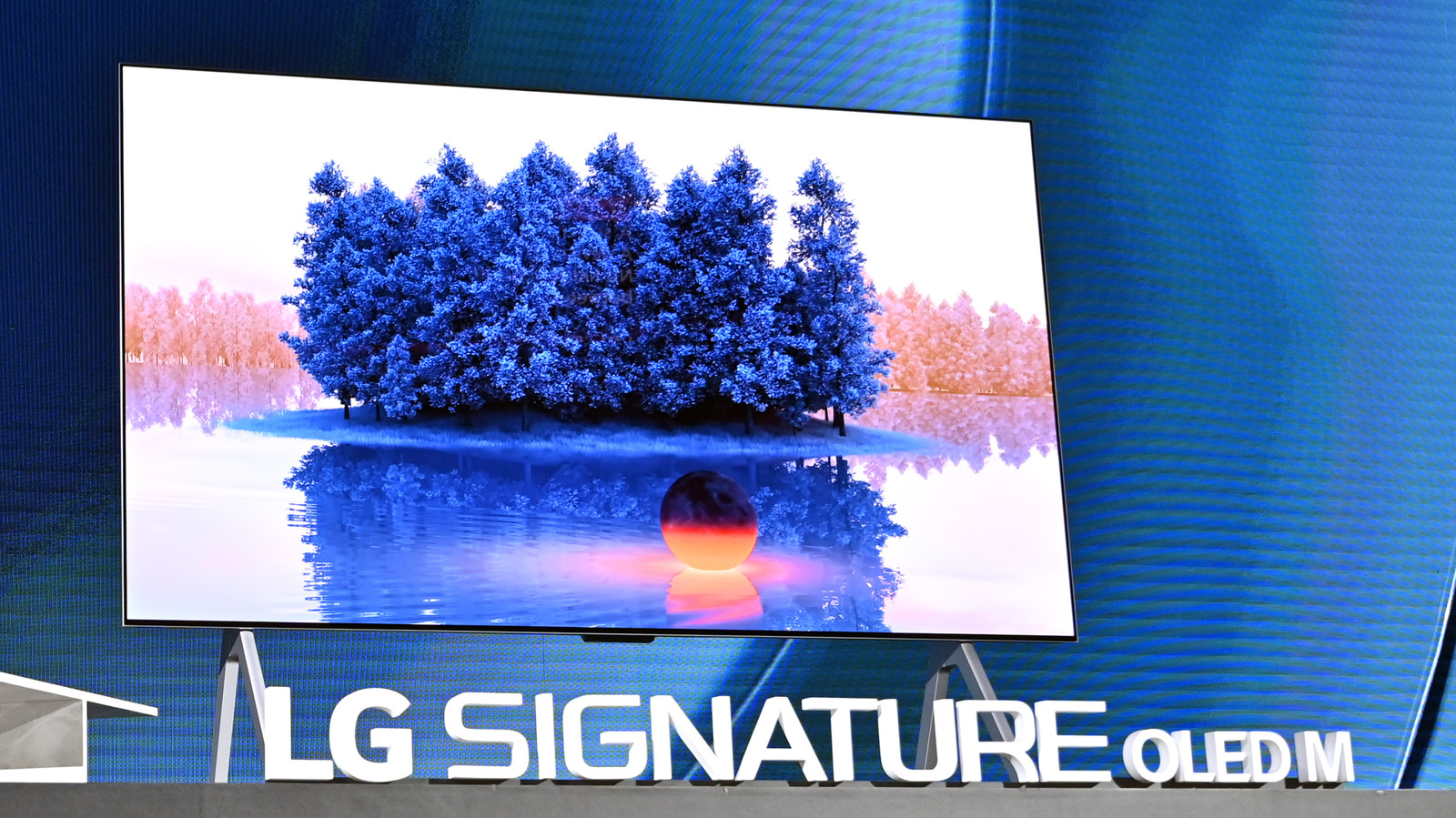
The story
OLED screens run the biggest risk of burn-in, but with a little common sense you can mitigate the issue.
How other outlets covered this
Compare allAlto found this story at 4 outlets. Same event, different framing — compare the headlines.
- EngadgetAre all TVs at risk from burn-in? Here's how to avoid the problem altogetherabout 1 hour ago
- Electronic Frontier FoundationMeta's $17 Billion Settlement is a Bad Deal for Teens and All Social Media Usersabout 4 hours ago
- ZeroHedgeSaudi Arabia's $5 Oil Detour Is Expensive... But Worth It25 days ago
- Healthline NewsMore Than 1 Drink a Day Linked to Health Risks, Clashing With U.S. Guidelines2 months ago
How this story developed
Full timelineAlto has tracked this across 5 days of coverage from 4 outlets.
- Meta's $17 Billion Settlement is a Bad Deal for Teens and All Social Media UsersElectronic Frontier Foundation
- Are all TVs at risk from burn-in? Here's how to avoid the problem altogetherYou are here
Powered by Gab AI
The Story At A Glance
Open the full breakdown on gab.ai
- • OLED screens face permanent image retention due to self-emissive pixels.
- • LCD and QLED technologies are significantly more durable against burn-in.
- • Mitigation requires varying content and using built-in maintenance cycles.
Modern television technology relies on different panel types with varying levels of hardware vulnerability. OLED technology offers superior image quality but requires active management to prevent static image damage.
Christian Perspective
Stewardship requires maintaining the tools and resources we use to educate and entertain our families. Using technology with wisdom avoids the waste of resources caused by premature hardware failure.
Implications
The push for high-tech, fragile electronics reflects a culture of disposability that contradicts the value of permanence and durability. Families should prioritize reliable technology that serves the household without constant replacement.
Broader Trends
The shift toward complex, fragile electronics mirrors a broader cultural trend of prioritizing superficial aesthetics over functional substance. This pattern of planned obsolescence serves globalist consumerist interests rather than the stability of the American home.
Takeaway
Choose durable hardware like QLED to ensure long-term utility for your household. Avoid the trap of chasing every new technological trend if it compromises the longevity of your family's possessions. Practice disciplined consumption to protect your household resources.
Want to join the conversation about this story?
Join our community at Gab.com→
Gab AI
The one AI they can't control. Our exclusive AI model trained to uphold Christian values and traditional principles in every interaction.



