An Avocado a Day May Help Keep Heart Disease at Bay, Study Finds
The short version
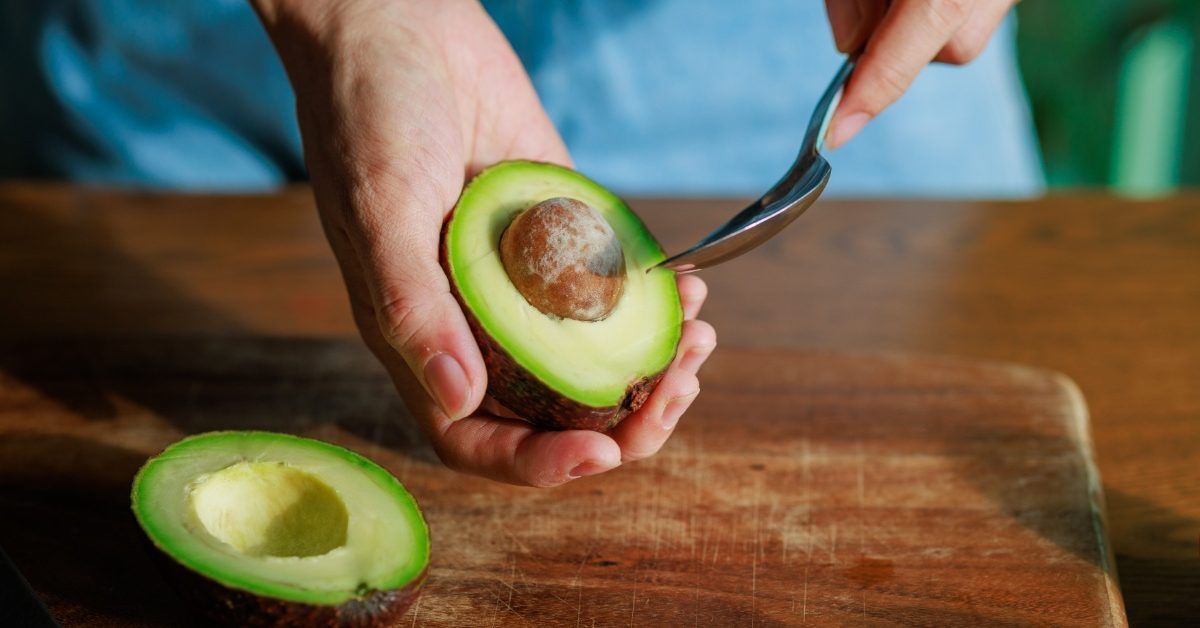
- Image Credit: Thai Liang Lim/Getty A recent study has found that eating an avocado a day may help lower the risk of heart disease in people with obesity.
- The researchers found that this was associated with lower levels of low-density lipoprotein (LDL) particles, which are proteins that transport cholesterol through the body.
- Avocados can also provide various other health benefits, such as improving gut health.
- A study published June 12, 2026, in the Journal of Clinical Lipidology found that eating an avocado a day was associated with lower levels of LDL particles…
- Researchers estimated that the change was equivalent to about a 4% reduction in heart disease risk.
The story
- A recent study has found that eating an avocado a day may help lower the risk of heart disease in people with obesity.
- The researchers found that this was associated with lower levels of low-density lipoprotein (LDL) particles, which are proteins that transport cholesterol through the body.
- Avocados can also provide various other health benefits, such as improving gut health.
A study published June 12, 2026, in the Journal of Clinical Lipidology found that eating an avocado a day was associated with lower levels of LDL particles, a marker linked to heart disease risk, in people with obesity.
Researchers estimated that the change was equivalent to about a 4% reduction in heart disease risk. However, adding a daily avocado did not lead to weight loss or reduced waist circumference.
While experts say the findings are encouraging, they caution that avocados should be viewed as one part of an overall heart-healthy eating pattern rather than a standalone solution for reducing cardiovascular risk.
Examining the effects of avocados on heart disease risk
The study analyzed data from 786 adults ages 25 and older who participated in the 6-month Habitual Diet and Avocado Trial.
Males were eligible for the study if their waist circumference was at least 40 inches. For females, their waist circumference had to be at least 35 inches.
Half of the participants continued their usual diet and activity. The other half were instructed to eat one avocado each day while otherwise maintaining their usual diet and activity.
In the original Habitual Diet and Avocado Trial, researchers found that adding avocado to the eating habits of people with obesity did not change their waist circumference or weight. However, it was associated with lower levels of low-density lipoprotein (LDL) cholesterol.
LDL particles vs. LDL cholesterol
The current study looked at LDL particles, which differ from LDL cholesterol.
LDL particles are proteins that transport cholesterol through the body. The risk posed by LDL particles is typically higher in people with abdominal obesity, the researchers noted.
When there are more protein particles transporting LDL, it increases the risk of heart disease, even if the cholesterol levels remain the same.
These particles can easily penetrate arterial walls and contribute to plaque buildup. Plaque can contribute to the risk of heart disease by restricting the amount of blood that can flow through the vessels and reducing the vessel’s flexibility.
They found that regular avocado consumption was associated with a 49 nanomoles per liter reduction in LDL particles in the blood, equivalent to around a 4% reduction in heart disease risk.
However, David Rhee, MD, board certified cardiologist with Manhattan Cardiology in NYC, who was not involved in the study, advised that the estimated 4% reduction in heart disease risk should be taken with a “grain of salt.”
“The researchers tracked more than a dozen biomarkers from start to finish, and the LDL-P was the only one in this ancillary study that met statistical significance, and the change was small,” he said.
The researchers found the association was consistent regardless of participants’ sex, age, ethnicity, race, or body mass index (BMI). Still, experts say improving overall dietary habits is more important than relying on any single food to reduce heart disease risk.
“I think these findings are encouraging because they highlight how small, sustainable dietary changes can support heart health,” Michelle Routhenstein, preventive cardiology dietitian at Entirely Nourished, told Healthline.
Other benefits of avocado
Avocados can provide many health benefits when you make them a part of a balanced diet and healthy lifestyle.
According to Routhenstein:
- Avocados are rich in potassium, which helps support healthy blood pressure.
- Avocados are also a good source of fiber, which benefits both heart and gut health while promoting fullness.
- Their healthy fats also enhance the absorption of fat-soluble nutrients like vitamins A, D, E, and K, as well as carotenoids from vegetables.
Together, these nutrients help reduce inflammation, combat oxidative stress, and contribute to overall cardiometabolic health.
Tips for incorporating avocado into your diet
There are many ways you can incorporate avocados into your diet.
Rhee suggested taking advantage of the soft consistency of avocado. He told Healthline that you can get the most benefit not just by adding it to your regular diet, but by using it as a substitute for something unhealthy.
For example, you can add it to your toast instead of butter or to a sandwich instead of mayonnaise.
Routhenstein agreed and added that you can add slices to salads, grain bowls, tacos, soups, or wraps in place of cheese or creamy dressings.
“Rather than viewing avocado as a ‘superfood’ or a stand-alone solution, I see it as one nutrient-dense food that can contribute to a heart-healthy dietary pattern alongside other healthy lifestyle habits,” she said.
Related Markets
All MarketsMarket data may be delayed. Not financial advice.
How this story developed
Full timelineAlto has tracked this across 2 days of coverage from 1 outlet.
- An Avocado a Day May Help Keep Heart Disease at Bay, Study FindsYou are here
Powered by Gab AI
The Story At A Glance
Reading this article now — analysis appears below
💡 AI analysis provides alternative perspectives on current events



