What Is ‘Biblical Eating’? Inside TikTok’s Latest Whole-Food Obsession
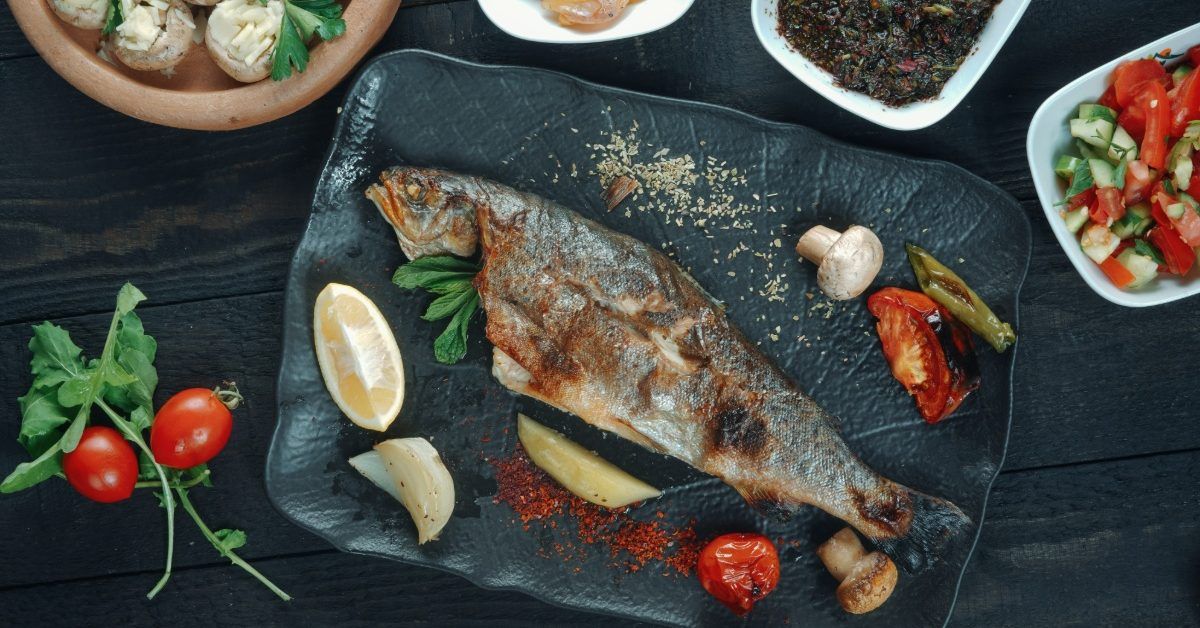
- “Biblical eating” emphasizes foods mentioned in the Bible and has become a popular nutrition trend on social media.
- Experts say the diet includes many healthy foods, but there’s no evidence that it delivers all of the health benefits some influencers claim.
- Experts caution against versions of the diet that become overly restrictive or replace evidence-based nutrition advice with guidance from unqualified influencers.
Can a Bible-based diet help you lose weight and improve your health?
That’s the question behind “Biblical eating,” a growing social media trend in which Christian influencers encourage followers to base their diets primarily on foods mentioned in scripture.
The trend, which discourages processed foods in favor of nutrient-rich whole foods, has amassed a following among Make America Healthy Again (MAHA) proponents.
Also known as the “Bible diet,” the eating pattern claims to help “strengthen faith,” encourage healthier eating, and even reduce visceral fat.
While nutrition experts agree that many of the foods promoted by the trend can be part of a healthy diet, they caution that not all of its health claims are backed by evidence.
What can you eat on a Biblical diet?
Biblical eating encourages people to base their food choices on foods mentioned in scripture. According to posts on TikTok and Instagram, these commonly include:
- raw milk
- lamb
- beef
- pomegranate
- bread (mostly sourdough)
- goat meat
- figs
- fish
- raw honey
- butter
- salt
- olive oil
There is no universally accepted version of Biblical eating. While some followers focus strictly on foods mentioned in scripture, others interpret the diet more broadly by emphasizing whole, minimally processed foods inspired by Biblical principles.
Most versions discourage ultra-processed foods, which proponents believe can harm both the body and the soul.
As a result, what qualifies as a “Biblical” food can vary. For example, one 7-day Biblical eating plan includes coffee, vanilla, nut butter, and chocolate alongside foods more traditionally associated with the Bible.
Like the Mediterranean diet, Biblical eating emphasizes whole foods while limiting ultra-processed foods.
However, unlike the Mediterranean diet, Biblical eating is based on scripture rather than nutrition research.
Do the health claims behind Biblical eating hold up?
Experts agree that many of the foods emphasized in Biblical eating can be part of a healthy, balanced diet.
“Any dietary trend that encourages avoidance of processed and ultra-processed foods and encourages mindfulness, plant-based approaches, and eating with intention is most likely a better approach than the standard American diet,” Kristin Kirkpatrick, registered dietitian, told Healthline.
However, experts caution that not all diet trends are nutritionally balanced.
Sari Eitches, MD, dual board certified physician and medical advisor to Terra Mare, said some popular diets eliminate entire food groups or macronutrients, which can increase the risk of nutrient deficiencies over time.
“But this diet does not run into that pitfall as it includes healthy fats from olive oil and fish, along with a variety of proteins and high fiber grains, fruits, and vegetables,” Eitches said.
Yoshua Quinones, MD, board certified internist with Medical Offices of Manhattan, said the diet’s faith-based approach may offer another advantage beyond the foods themselves.
“For some people, the spiritual framing may also improve adherence, mindfulness, and intentionality around eating, which can be useful if it leads to sustainable habits rather than short-term rules,” he told Healthline.
When might Biblical eating become problematic?
Experts say Biblical eating can become problematic when nutrition advice comes from influencers rather than qualified healthcare professionals or when the diet becomes overly restrictive.
Josh Howard, a PhD candidate in American religious cultures at Emory University, said many influencers promoting Biblical eating lack formal training in nutrition or dietetics, yet still offer health advice to large audiences.
Howard also cautioned that some faith-based diet movements can encourage unhealthy relationships with food and body image by equating physical appearance with spiritual worth.
“Invocations of the Bible become their grounds to claim authority, which also makes me wary, as it suggests that health experts are somehow not aligned with the Bible,” Howard told Healthline.
“This dichotomy between good Christian influencer and bad health professional can further lead people away from trusting scientific expertise in making important health decisions,” he said.
Quinones noted that the trend can drift into unnecessary food restrictions or confuse simple nutrition as “clean” versus “unclean,” which is not helpful for people with eating disorders or rigid eating patterns.
Eitches likewise cautioned against versions of the diet that become rigid, unnecessarily exclude nutritious foods, or encourage guilt about eating.
“The main caveat is that ‘Biblical eating’ is not a formally defined or scientifically studied diet,” she said.
Ultimately, the healthiest eating pattern, Quinones said, is flexible and sustainable rather than rigid.
“The best approach is one that’s flexible, provides all the nutrients your body needs, fits different cultures and lifestyles, and doesn’t make people feel guilty about food,” he said.
Related Markets
All MarketsMarket data may be delayed. Not financial advice.
💡 AI analysis provides alternative perspectives on current events



