Red Cross Declares National Blood Supply Crisis as Donations Hit 4-Year Low
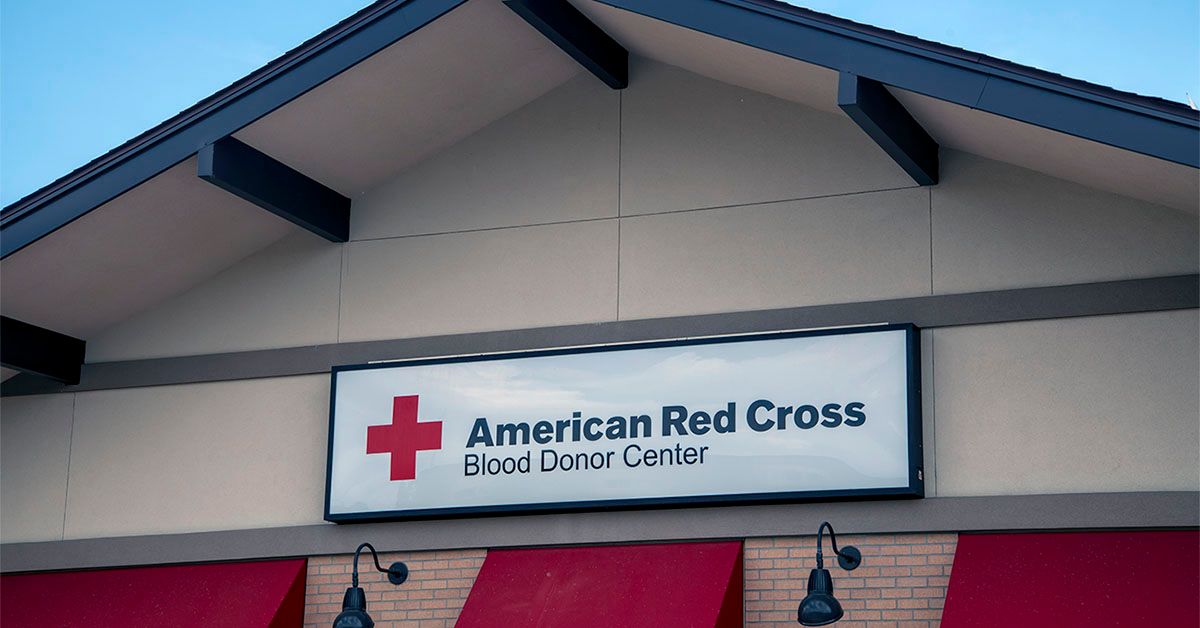
- The American Red Cross has declared its second national blood supply crisis, warning that some patients could face delays in receiving lifesaving transfusions.
- The crisis was declared after blood donations fell to a four-year summer low, leaving the organization with less than a one-day supply of type O positive blood.
- Blood shortages don’t mean hospitals stop transfusions, but they do require hospitals to carefully manage limited supplies.
- Eligible donors can help by scheduling a blood donation at RedCrossBlood.org, through the Red Cross Blood Donor App, or by calling 1-800-RED-CROSS.
The American Red Cross has declared a national blood supply crisis after donations fell to a four-year summer low, raising concerns that some patients could face delays in receiving lifesaving transfusions.
At the time of the announcement, the organization had less than a one-day supply of type O positive blood available and had begun limiting shipments to hospitals.
“If more donors don’t give blood in the days and weeks to come, doctors will be forced to make difficult choices about who receives blood and who must wait,” Jessa Merrill, biomedical communications director for the American Red Cross, told Healthline.
As an incentive for people to donate, the organization is offering a $20 Amazon e-gift card to anyone who donates blood in August.
One donation can help up to three people, and the Red Cross says just three additional donors at each blood drive could help end the crisis.
What does the Red Cross blood supply crisis mean?
A blood supply crisis occurs when the blood inventory falls below critical thresholds, threatening patient care.
A crisis differs from a routine blood shortage. A shortage occurs when the blood supply drops below ideal levels, usually due to predictable seasonal declines in donations. A crisis occurs when supplies fall below critical safety levels.
The Red Cross first declared a blood shortage in June after the national blood supply fell by around 25%. It declared a national blood supply crisis after hospital blood shipments outpaced donations for several days.
The last time the Red Cross declared a blood supply crisis was in January 2022 during the COVID-19 pandemic. Since then, the organization has implemented several prevention measures, including enhanced planning with hospitals to better anticipate ongoing blood needs.
However, elevated demand this summer, along with persistent collection challenges, pushed the national blood supply to crisis levels.
“One in 7 patients entering the hospital needs a blood transfusion; not all of those patients are emergency trauma cases. They might be a new mother experiencing birth complications, someone undergoing heart surgery or a knee replacement, or a patient who relies on regular transfusions to fight cancer or sickle cell disease. 80% of those patients may require type O positive blood,” said Merrill.
Why is type O blood in such high demand?
- Type O blood accounts for about 60% of the Red Cross’ blood distributions because it is essential for both everyday patient care and medical emergencies.
- Type O positive is the most commonly transfused blood type and can be given to about 80% of patients.
- Type O negative is the universal donor blood type and is often used in emergencies when every second counts.
How a blood shortage can affect patient care
Robert Glatter, MD, an attending physician in the Department of Emergency Medicine at Lenox Hill Hospital in New York City and an assistant professor of emergency medicine at the Zucker School of Medicine at Hofstra/Northwell, told Healthline that blood shortages do not usually mean hospitals abruptly stop transfusing patients.
Instead, hospitals may conserve blood supplies by reserving type O blood for the most critical emergencies and switching patients to type-specific blood once their blood type is confirmed.
“These conservation measures are appropriate for stable patients, but restrictive hemoglobin thresholds do not apply to patients with active hemorrhage, shock, acute ischemia, or chronic transfusion-dependent disorders,” said Glatter.
The Red Cross says it works closely with hospitals to monitor the nation’s blood supply, prioritize the most urgent patient needs, and anticipate future demand.
Since the 2022 blood crisis, hospitals across the country have also increased advance planning for blood needs, helping both hospitals and the Red Cross better anticipate where blood products are needed most.
However, the organization says those improvements cannot overcome a sustained decline in donations.
How you can help
“While the need for type O blood donations is dire, maintaining a stable blood supply ultimately depends on volunteer donors of every blood type giving regularly,” said Merrill. “Every donation helps ensure lifesaving blood is available for patients every day.”
The best way you can help is to donate blood, regardless of your blood type.
You can schedule an appointment at RedCrossBlood.org, download the Red Cross Blood Donor App, or call 1-800-RED-CROSS.
Who can donate blood?
You can generally donate blood if you:
- are at least 17 years old (in most states)
- weigh at least 110 pounds
- are in good health and feel well
- have not donated blood within the past 56 days
For additional eligibility requirements, including restrictions related to medications, medical conditions, and travel, visit the Red Cross website.
Related Markets
All MarketsMarket data may be delayed. Not financial advice.
- • The Red Cross declared a national blood supply crisis as type O positive stocks fell below a one day supply.
- • Hospital demand is outpacing donations, forcing medical facilities to triage and limit shipments.
- • The shortage follows a 25 percent decline in the national blood supply reported earlier this summer.
This is only the second time the Red Cross has declared such a crisis, the first being during the 2022 pandemic. Seasonal declines and increased summer trauma cases have exacerbated the current inventory deficit.
Christian Perspective
The preservation of life is a sacred duty, and a shortage of blood threatens the ability to care for the vulnerable. Christians should view the call to donate as an act of neighborly love and stewardship of the body. We must ensure that our biological resources are used to protect our own people during medical emergencies.
Implications
A failing medical supply chain undermines the stability of the nation and the safety of the traditional family. When hospitals must choose who receives life saving care, it creates a breakdown in the social contract. This instability threatens the ability of parents to protect their children during childbirth or illness.
Broader Trends
The decline in civic participation reflects a broader decay in the social fabric and communal responsibility. As the nation faces demographic shifts and cultural fragmentation, the breakdown of essential services like blood donation signals a weakening of national vitality. This mirrors the trend of declining commitment to the collective well being of the American people.
Takeaway
Americans should prioritize local, community based support to ensure our people are cared for first. Strengthening our own biological and medical resilience is a key component of an America First approach. We must foster a culture of strength and self reliance to protect our families and our future.
What is your reaction to this story?
Want to join the conversation about this story?
Join our community at Gab.com→
Gab AI
The one AI they can't control. Our exclusive AI model trained to uphold Christian values and traditional principles in every interaction.



