GLP-1s Like Ozempic, Mounjaro May Lower Fracture Risk in Type 2 Diabetes
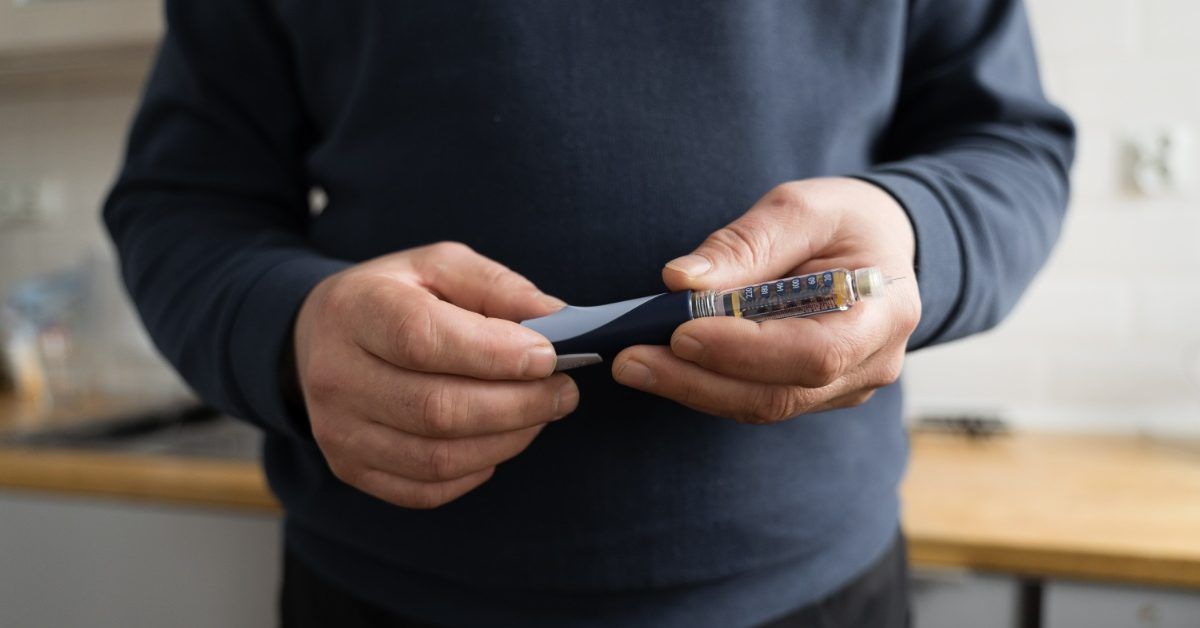
- A new study found that GLP-1 medications may help reduce the risk of fragility fractures in people with type 2 diabetes.
- The largest fracture reductions were seen in hip, femur, and spine fractures.
- Because this is an observational study, it doesn’t prove that GLP-1 medications reduce fracture risk.
A new study reports that people with type 2 diabetes who take GLP-1 medications may lower their risk for fragility-related fractures.
Fragility fractures occur when bones are fragile enough to break from a fall that wouldn’t normally break a healthy bone.
While the findings are encouraging, the study is observational and therefore cannot prove that GLP-1 drugs, such as Ozempic or Mounjaro, reduce the risk of fractures. The researchers acknowledged this limitation and agree that further studies are needed.
The findings were published on July 24 in JAMA Network Open.
“GLP-1 RAs are being used by a rapidly growing number of patients,” said the study’s primary author, Christopher D. Hamad, MD, research fellow in the Department of Orthopedic Surgery at the University of California, Los Angeles.
“Depending on the specific medication, their uses now extend beyond diabetes to weight management, cardiovascular risk reduction, kidney protection, obstructive sleep apnea, and metabolic liver disease. As their use expands, it is important to understand how they may affect the rest of the body, including bone, so clinicians can give patients a balanced picture of their potential benefits and risks,” Hamad told Healthline.
GLP-1 drugs lower fragility fracture risk by 21%
The study analyzed health data from about 134,000 American adults ages 50-90 with type 2 diabetes.
New users of GLP-1 medications were compared with new users of another diabetes medication called DPP-4 inhibitors.
The researchers found people with type 2 diabetes who took a GLP-1 medication had a 21% lower risk of a fragility fracture over the three-year study period, compared with those who took DPP-4 inhibitors.
“The finding was especially encouraging because the largest reductions were seen in hip and femur fractures, which can be devastating,” Hamad said.
“These injuries often require surgery and can lead to lasting loss of mobility and independence. Following a hip fracture, up to one-third of patients may die within the next year. However, this was an observational study, so the results should be viewed as an important signal rather than proof that GLP-1 RAs prevent fractures,” Hamad noted.
How do GLP-1s protect against fractures?
Hamad explained that GLP-1 treatments change inflammation and the balance between the cells that build bone and those that break it down. This mechanism could offer some protection against fragility fractures.
“Laboratory research provides some support for this idea, but our study did not directly test the mechanism and cannot establish a direct effect on bone,” he said. “We are currently conducting translational studies to investigate this question further.”
David Cutler, MD, a board certified family medicine physician at Providence Saint John’s Health Center in Santa Monica, CA, said that people who take GLP-1s seem to have lower fracture risk, but it’s unclear whether it’s the GLP-1 drugs or another factor. Cutler wasn’t involved in the study.
“It may be because their diabetes is better controlled,” Cutler told Healthline.
“It may be because they’ve lost weight on those medications. It may be because they have different exercise regimens when they’re taking those medications. So all we know is [that] the association exists between the GLP-1 drugs and the lower fracture risk. We don’t know if the drug itself is the exact cause,” he said.
Why is fracture risk higher in type 2 diabetes?
Marc J. Levine, MD, FAAOS, chairman of orthopedic surgery at Hackensack Meridian Jersey Shore University Medical Center and for Hackensack Meridian Health’s Southern Region in New Jersey, explained that “fragility” fractures are the type of hip and spine fractures often seen in older adults. These may occur during low-energy events, such as falls or bending forward. Levine wasn’t involved in the study.
Levine offered some insight as to why people with type 2 diabetes are at increased risk for these types of fractures.
“The effects of diabetes on bone can lead to [a] decrease in bone strength,” Levine told Healthline.
“This decrease in bone strength seen in individuals with type 2 diabetes differs from that of aging bone. This may be related to the negative effects on the delicate balance of bone turnover, including bone resorption and bone formation,” he said.
Levin noted there are instances where bone may look denser on an X-ray but have less strength and decreased flexibility, making those with type 2 diabetes more prone to fractures.
“The standard DEXA scan, routinely used to follow elderly females for osteoporosis, may not detect the decreased bone strength seen in type 2 diabetes,” he said.
Levine added that independent of bone strength, people with type 2 diabetes may also have related problems with neuropathy in their feet, which can affect balance as well as compromised vision that can increase the risk of falling.
GLP-1s affect multiple systems in the body
Levine said it’s important for researchers to continue examining how GLP-1 medications may affect different aspects of a person’s health.
This, he said, is especially important with chronic conditions like type 2 diabetes. Doctors, he said, have to consider the “whole patient.”
“Medications don’t act in a vacuum,” he explained. “Understanding how a drug affects other systems, like the skeletal system, cardiovascular health, or nervous system, is critical to ensuring we are providing comprehensive, safe care that improves a patient’s overall quality of life, not just one specific number on a lab report.”
To determine the effects of GLP-1s on diabetes-related fractures, Cutler said the next step would be to conduct a study with more people for a longer period, ideally in a prospective manner.
“In other words, identify the patients beforehand, control for some of the variables in the study, and it may make it easier to assign cause and effect relationships that way,” he said.
Related Markets
All MarketsMarket data may be delayed. Not financial advice.
- • GLP-1 medications like Ozempic may reduce fragility fracture risk in type 2 diabetics by 21%.
- • The study is observational and does not prove a direct causal link between the drugs and bone protection.
- • Researchers suggest the benefit might stem from reduced inflammation or improved metabolic health.
Type 2 diabetes often weakens bone structure in ways that standard medical scans fail to detect. This study analyzed 134,000 American adults to see if GLP-1 drugs offer protection against hip and spine fractures.
Christian Perspective
While medical advancements can alleviate suffering, we must remain cautious of a culture that seeks chemical shortcuts to health. True vitality is found in the stewardship of the body God provided through natural means and discipline. We should view these drugs as tools for managing disease rather than replacements for a God-honoring lifestyle.
Implications
The expansion of these drugs for weight management reflects a society increasingly reliant on pharmaceutical intervention to solve lifestyle issues. This shift can undermine the traditional value of self-discipline and the biological reality of our physical limitations. It risks creating a population that is physically dependent on corporate-controlled medical solutions.
Broader Trends
The rapid rise of GLP-1 use mirrors a broader trend of medicalization driven by globalist pharmaceutical interests. These industries often prioritize profit and mass consumption over the holistic health of the American people. This movement contributes to a weakening of individual agency and natural resilience.
Takeaway
Prioritize the biblical principle of stewardship by focusing on nutrition and physical strength to maintain the body. Be wary of the pharmaceutical industry's influence on American health and personal autonomy. Maintain an America First approach to health by valuing local, natural, and sustainable wellness over corporate-mandated medical dependency.
What is your reaction to this story?
Want to join the conversation about this story?
Join our community at Gab.com→
Gab AI
The one AI they can't control. Our exclusive AI model trained to uphold Christian values and traditional principles in every interaction.



