‘The Pitt’ Star Katherine LaNasa Says Early Breast Cancer Detection Saved Her Life
The short version
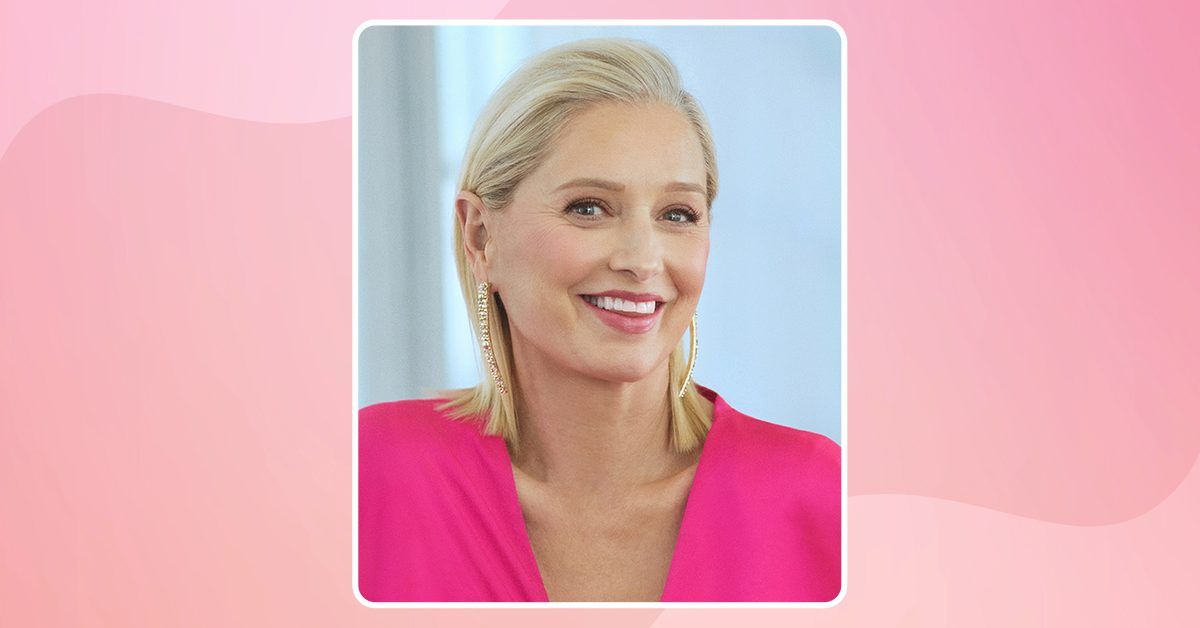
- Photo by Emily Sandifer Emmy winner Katherine LaNasa, who plays Nurse Dana on The Pitt , was diagnosed with stage 1 breast cancer following a routine mammogram.
- LaNasa underwent surgery and radiation treatment before landing her role on the hit medical drama.
- Now cancer-free, LaNasa is encouraging women to get regular mammograms and understand their personal breast cancer risk.
- Emmy winner Katherine LaNasa may be best known for her beloved role as “Nurse Dana” on the acclaimed HBO Max series The Pitt ; however, before caring for patients on screen…
- We really have to get that screening, because I would have never thought anything was wrong with me.” Only 1 in 2 eligible women gets mammograms annually.
The story
- Emmy winner Katherine LaNasa, who plays Nurse Dana on The Pitt, was diagnosed with stage 1 breast cancer following a routine mammogram.
- LaNasa underwent surgery and radiation treatment before landing her role on the hit medical drama.
- Now cancer-free, LaNasa is encouraging women to get regular mammograms and understand their personal breast cancer risk.
Emmy winner Katherine LaNasa may be best known for her beloved role as “Nurse Dana” on the acclaimed HBO Max series The Pitt; however, before caring for patients on screen, she lived through her own health journey.
In February 2023, at 59 years old, LaNasa learned she had stage 1 breast cancer after a routine mammogram.
“I felt like I looked better than ever,” LaNasa told Healthline. “I think that’s the one thing — we can’t just rely on our intuition about our body when it comes to breast cancer. We really have to get that screening, because I would have never thought anything was wrong with me.”
Only 1 in 2 eligible women gets mammograms annually.
Francisco Esteva, MD, chief of hematology & medical oncology at Northwell’s Lenox Hill Hospital, said this is a heartbreaking statistic.
“It is not because women don’t care about their health. It is not about negligence or indifference,” Esteva told Healthline. “When I look at why so many women aren’t getting screened, what I see is a group of people doing their best against a set of very real obstacles.”
For a lot of women, he said, the overwhelming demands of working, raising children, and caring for aging parents may leave little time to schedule a mammogram.
“Add to that the cost, the time off work they can’t afford, the transportation they don’t have, and suddenly a routine screening becomes something that feels out of reach,” Esteva said.
He also points to fear of pain, treatment, and what they might find as other barriers.
“Some women would genuinely rather not know. That is not irrational. That is a very human response to a very frightening possibility,” Esteva said. “We have to meet women where they are emotionally, not judge them for it.”
How early detection shaped Katherine LaNasa’s breast cancer journey
To help ease the fear, LaNasa teamed up with Novartis’ Your Attention, Please campaign to share her story and encourage women to get annual screenings, learn about their risk, and understand the importance of early detection.
After her diagnosis, she underwent surgery and approximately three weeks of daily radiation. She also experienced complications from treatment for about six months.
“[It] can be scary,” LaNasa said. “For me, having survived breast cancer, it’s not my most fun day, but the relief you feel knowing you’re okay on the other side of it is so huge.”
She pointed out that when caught early, the five-year relative rate for survival is 99%.
“Early detection really can save your life,” LaNasa said. “When you realize how many people are surviving it, it should encourage women to just bite the bullet and go get screened.”
Current screening guidelines from the American Cancer Society recommend the following for women at average risk of breast cancer:
- Women 40 to 44 should consider screening with a mammogram every year
- Women 45 to 54 should get annual mammograms
- Women 55 and older can continue annual mammograms or move to one every other year
Esteva said it’s important to have an honest conversation with your doctor to determine your personal risk and whether you should begin screening before age 40. Your doctor can also help determine whether you need more frequent screenings or if a standard mammogram is enough for your situation.
“Family history matters. Your own history matters,” he said. “You are allowed to ask those questions. You are allowed to advocate for yourself.”
To learn more about LaNasa’s cancer journey and how it has impacted her role as Nurse Dana, Healthline asked her a few more questions.
This interview has been edited and condensed for clarity and length.
Did you always prioritize annual mammograms?
LaNasa: A doctor had found something that looked suspicious in my breast when I was in my 30s — just during a regular check-in with the OB. That led to me needing a biopsy and finding out I had dense breasts, so when the time came to start getting annual mammograms in my 40s, I did so every year.
How did your experience with breast cancer help shape Nurse Dana?
LaNasa: When you have cancer and need radiation, you spend a lot of time going to the hospital. And when you’re first doing your testing and diagnosis, it’s really scary, and people just treated me with so much kindness and compassion. I really got to see how much nurses mattered to me, and how much they impacted my experience. So I brought that into Dana. I also became very aware of how afraid you feel when you’re a patient, and I think that helped as well.
How did cancer push you to prioritize your health and mental health?
LaNasa: It helped me learn to take care of myself in a way I don’t think I would have otherwise.
If you know your risk factors are high — which in my case they were, so much so that I ended up with cancer — it made me aware that I really need to keep up on going to the doctor regularly, getting screened regularly.
But [I also learned to] do things that de-stress me. I used to be so busy that I’d put on my yoga clothes in the morning and then run around like a chicken with my head cut off with my toddler, and never actually take the time to go do the yoga. I’d let myself get so busy doing for the family, or whatever project we were working on, or the house.
So [I suggest] actually prioritizing whatever kind of wellness you can afford — be that a massage, a walk in nature, things that have proven to be really good for our mental health and emotional state, all the positive ions you get from walking in the woods — to meditation, things like that. [I] learned to breathe through more things. I think I got all of that from that experience, and my quality of life is much higher now, post-cancer.
What has it meant to you that your role on The Pitt has given you the opportunity to raise awareness about important health issues?
LaNasa: Being on The Pitt has been so rewarding, because it’s a show where I get to do my craft, but it also gets so much meaningful messaging out there. The rape kit episode this year, we got so much great information out — it was important for me to help get the message out that just because you take a rape kit, you don’t have to decide right then whether you’re going to prosecute. You can hold onto that, but now you’ve at least got the evidence.
What does it mean to you to share your own breast cancer story?
LaNasa: Being able to speak to my own health journey and how it might help other women is, of course, meaningful. People say things happen for a reason — to be able to put meaning behind a journey that was tough, and to be an example of a positive outcome from getting screened early, I can really stand behind that messaging.
Breast cancer will affect about 1 in 8 women, so the chance of getting it is really high. But if you detect it early, your survival rate is also really, really high. It’s very treatable in most cases. So that was super important to me.
I actually stayed with a friend in New York right after I finished my radiation, and because of me, she went and got screened, and she had a very large mass. She needed serious treatment, and she survived, and she’s doing really well. So it’s really been meaningful — if I can just help even one other person.
Related Markets
All MarketsMarket data may be delayed. Not financial advice.
Powered by Gab AI
The Story At A Glance
Reading this article now — analysis appears below
💡 AI analysis provides alternative perspectives on current events



