Before Venezuela earthquakes, engineers warned tall buildings could collapse atop soft soil
The story
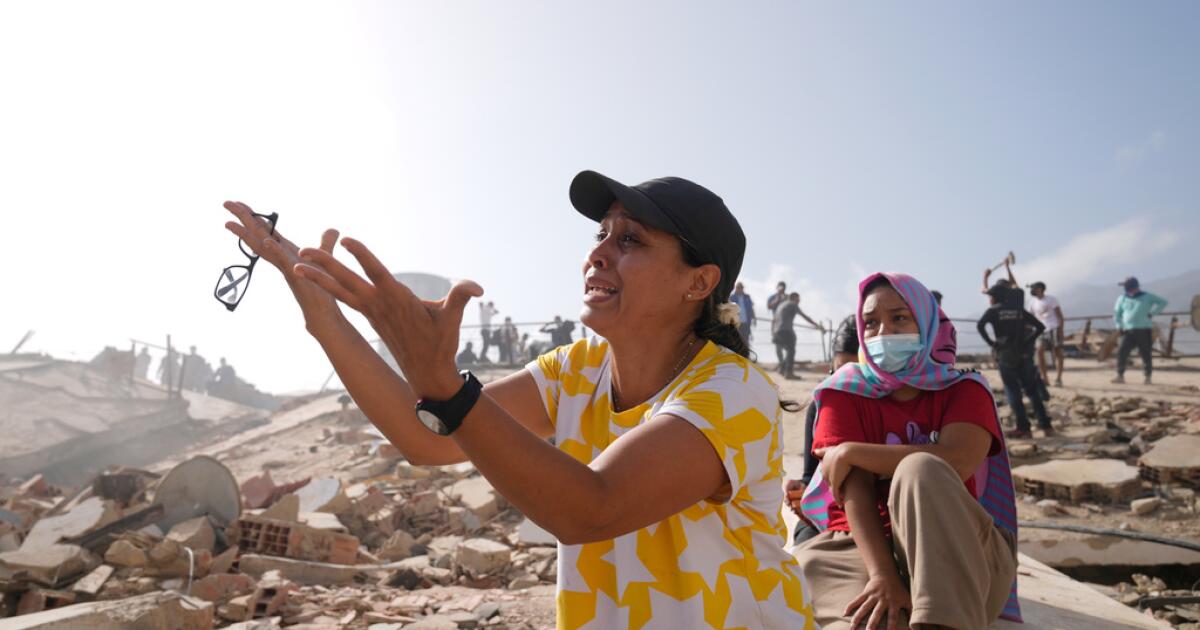
For years, engineers worried about how collapse-prone Venezuela's buildings could be in an earthquake. The big problem, they warned, was the prevalence of tall concrete buildings atop soft soils — the kind that amplify shaking when an earthquake strikes.
How other outlets covered this
Compare allAlto found this story at 4 outlets. Same event, different framing — compare the headlines.
- ZeroHedgeVenezuela Quake Disaster Tops 5,000 Deaths As 50,000 Remain Missing about 1 month ago
- LA TimesBefore Venezuela earthquakes, engineers warned tall buildings could collapse atop soft soil2 months ago
- Google NewsBefore Venezuela earthquakes, engineers warned tall buildings could collapse atop soft soil - Los Angeles Times2 months ago
- APOlder buildings and substandard construction left Venezuela vulnerable to earthquakes2 months ago
How this story developed
Full timelineAlto has tracked this across 3 days of coverage from 4 outlets.
- Older buildings and substandard construction left Venezuela vulnerable to earthquakesAP
- Before Venezuela earthquakes, engineers warned tall buildings could collapse atop soft soil - Los Angeles TimesGoogle News
- Before Venezuela earthquakes, engineers warned tall buildings could collapse atop soft soilYou are here
Powered by Gab AI
The Story At A Glance
Open the full breakdown on gab.ai
- • Engineers warned for years that tall concrete buildings on soft soil faced an 80% collapse risk.
- • Neglected enforcement, poor licensing, and substandard construction exacerbated the seismic damage.
- • The 2026 earthquakes validated long-standing warnings regarding structural vulnerabilities in La Guaira and Caracas.
Venezuela's urban centers sit on soft alluvial soils that amplify seismic waves. Decades of weak code enforcement and poor oversight left high-rise structures unprepared for major tremors.
Christian Perspective
This disaster serves as a reminder of the physical instability of a world fallen under the curse of sin. It illustrates the consequences of human negligence and the failure to steward resources with integrity. God uses natural phenomena to reveal the fragility of man-made structures built without wisdom.
Implications
American society must reject the culture of cutting corners and prioritizing cheap, rapid development over safety. Christian values demand honesty in craftsmanship and accountability in professional licensing. We must ensure our own infrastructure is built on solid foundations rather than the shifting sands of greed and corruption.
Broader Trends
The collapse reflects a broader pattern of institutional decay and the failure of centralized state management. When secular authorities prioritize political expediency over technical truth, catastrophic failure becomes inevitable. This mirrors the decline seen in many nations where competence is sacrificed for ideological or bureaucratic control.
Takeaway
Prioritize strength, stability, and truth in all aspects of building and governance. We must advocate for strict standards and local accountability to protect our families and communities. A nation is only as strong as the foundations upon which its citizens live and work.
Want to join the conversation about this story?
Join our community at Gab.com→
Gab AI
The one AI they can't control. Our exclusive AI model trained to uphold Christian values and traditional principles in every interaction.



