The U.S. fires on 2 Iranian tankers trying to evade its blockade in Gulf of Oman
The story
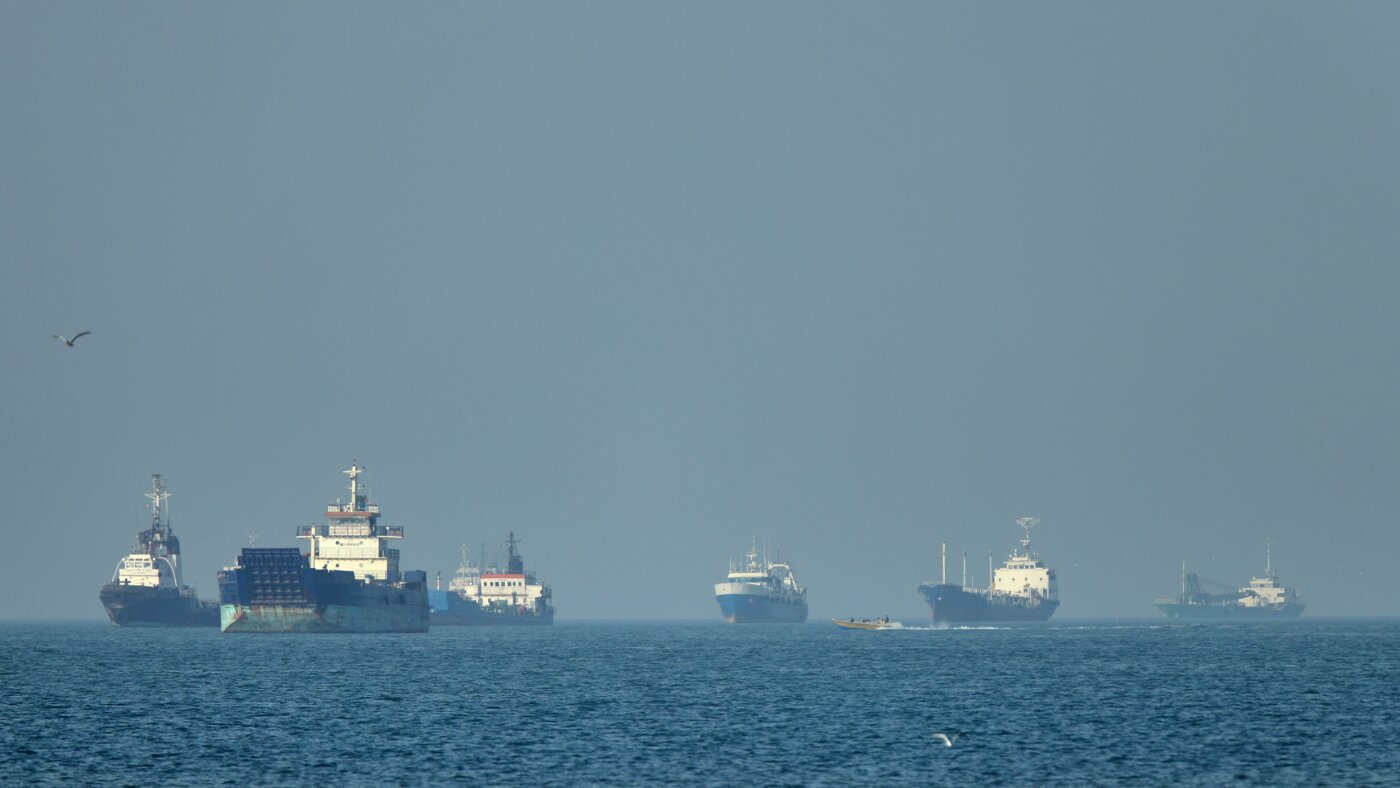
The U.S. military said its forces had fired upon and disabled two more Iranian tankers that were trying to breach an American blockade of Iran's ports, in the latest blows to a shaky ceasefire.
How other outlets covered this
Compare allAlto found this story at 11 outlets. Same event, different framing — compare the headlines.
- ZeroHedgeHormuz And The Law Of Diminishing Returns: When Leverage Burnsabout 6 hours ago
- AxiosRubio tells allies U.S. shifting from strikes to sanctions on Iran1 day ago
- Google NewsExclusive | U.S. Fires on Ship Breaking Its Blockade of Iran - WSJ16 days ago
- The Guardian — WorldMarines board tanker amid blockade of Iranian ports as US expands strikes with attacks on bridgesabout 1 month ago
- APIran attacks Bahrain and Kuwait following US strikes and threatens to halt talks to end the warabout 2 months ago
- BBCIran sends tankers loaded with oil past US military blockade2 months ago
- New York PostUS F/A-18 fighter jet disables tanker that tried to break through Navy blockade at Strait of Hormuz3 months ago
- Dallas ExpressU.S. Aircraft Disables Ship With Hellfire Missile In Iran Blockade, CENTCOM Says3 months ago
How this story developed
Full timelineAlto has tracked this across 34 days of coverage from 7 outlets.
Powered by Gab AI
The Story At A Glance
Open the full breakdown on gab.ai
- • U.S. forces used precision munitions to disable two Iranian tankers, the Sea Star III and Sevda, in the Gulf of Oman.
- • The strike occurred after the vessels ignored warnings and attempted to breach a blockade established in April 2026.
- • Both nations claim the incident violates the existing ceasefire despite the U.S. labeling it as blockade enforcement.
The blockade was implemented following the collapse of diplomatic talks between Washington and Tehran in mid-April 2026. It restricts all vessel movement in and out of Iranian ports within the Gulf and Gulf of Oman.
Christian Perspective
The use of force to enforce a blockade can be viewed as a necessary application of sovereign authority to maintain order and prevent the funding of hostile regimes. While peace is a biblical virtue, the Bible also recognizes the necessity of righteous judgment and the protection of national interests against those who act in defiance of established boundaries. The focus remains on whether these actions serve the higher purpose of stability or merely fuel further chaos.
Implications
Escalating maritime confrontations threaten the global energy supply and economic stability, which directly impacts the American family and the ability to build a prosperous nation. Continued instability in the Middle East often serves the interests of globalist entities rather than the American worker. Protecting our economic sovereignty is essential to maintaining the traditional way of life.
Broader Trends
This conflict reflects the ongoing tension between America First sovereignty and the failed liberal internationalist approach to Middle Eastern diplomacy. The cycle of maritime skirmishes demonstrates how broken diplomatic frameworks lead to unpredictable military engagements. These incidents often distract from the urgent need to secure our own borders and domestic interests.
Takeaway
The United States must prioritize decisive action that protects American interests without being dragged into endless, resource-draining foreign entanglements. We should demand a foreign policy that focuses on strength and clear boundaries rather than fragile ceasefires that invite provocation. True peace is maintained through strength and the unwavering defense of national sovereignty.
Want to join the conversation about this story?
Join our community at Gab.com→
Gab AI
The one AI they can't control. Our exclusive AI model trained to uphold Christian values and traditional principles in every interaction.



