UAE Slips Hidden Oil Tankers Through Straits Of Hormuz
The short version
- While that’s a drop in the bucket compared to pre-war exports, it proves participants are willing to roll the dice with Iranian drones and speedboats to unlock trapped supply.
- At the same time, other Gulf heavyweights Iraq, Kuwait, and Qatar have largely thrown in the towel.
- Saudi Arabia is rerouting via the Red Sea where possible.
- Only the UAE is playing an occasional round of Russian roulette through the world’s most critical oil chokepoint.
- Dark Fleet Playbook Comes to Abu Dhabi Emirati tankers are sailing with AIS trackers deliberately shut off, the same tactic Tehran has used for years to evade U.S. sanctions.
The story
While conventional wisdom, especially after Trump's counter-blockade of Iran's blockade, that the Strait of Hormuz is completely blocked, the reality is that the UAE is now running loaded crude tankers through the Iranian-controlled Strait of Hormuz with transponders switched off - just like sanctioned Iranian ghost fleets in the pre-war period - just to pry loose a fraction of the oil bottled up in the Gulf.
According to shipping data reported by Reuters, industry sources, and satellite tracking, Emirati state-owned energy giant ADNOC and willing Asian buyers have moved at least 6 million barrels of Upper Zakum and Das crude out of the Gulf in April alone via four tankers. While that’s a drop in the bucket compared to pre-war exports, it proves participants are willing to roll the dice with Iranian drones and speedboats to unlock trapped supply.
At the same time, other Gulf heavyweights Iraq, Kuwait, and Qatar have largely thrown in the towel. Saudi Arabia is rerouting via the Red Sea where possible. Only the UAE is playing an occasional round of Russian roulette through the world’s most critical oil chokepoint.
Dark Fleet Playbook Comes to Abu Dhabi
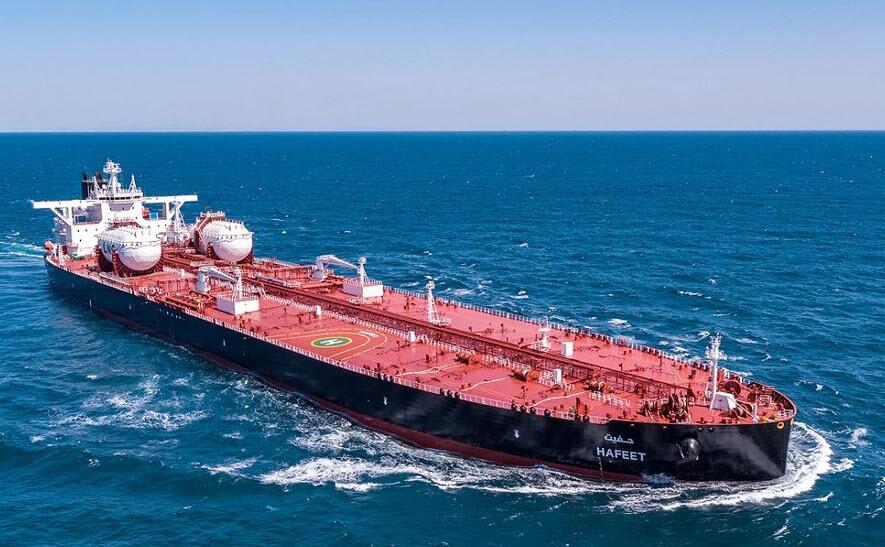
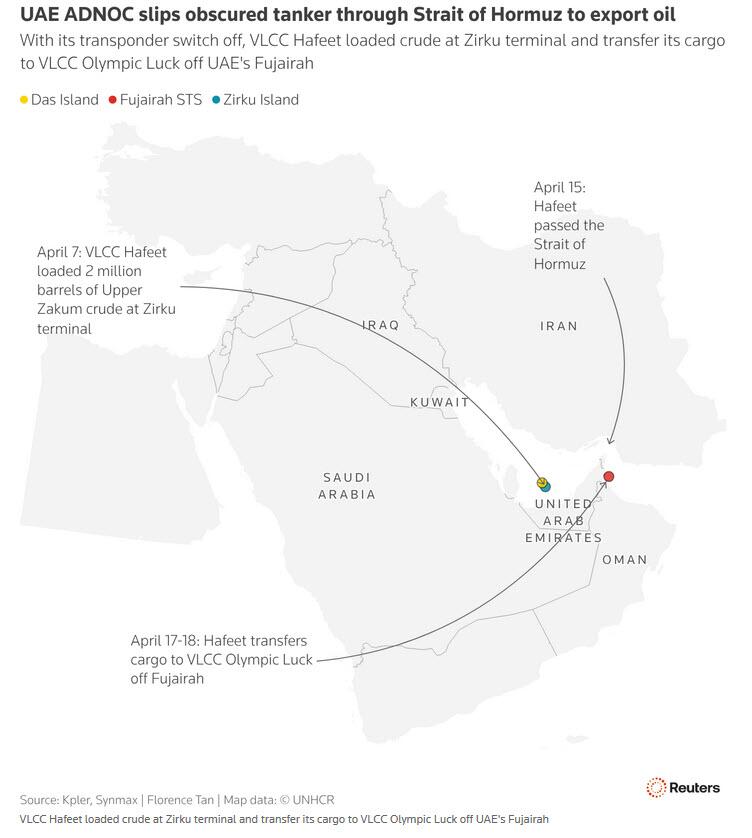
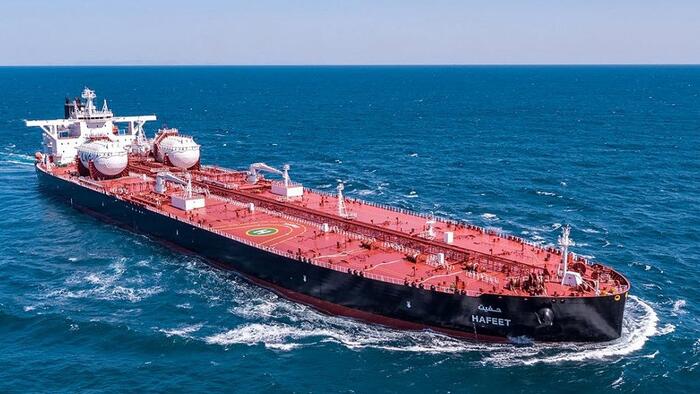
Emirati tankers are sailing with AIS trackers deliberately shut off, the same tactic Tehran has used for years to evade U.S. sanctions. One VLCC, the Hafeet (managed by ADNOC’s own logistics arm), loaded 2 million barrels of Upper Zakum on April 7, slipped through the strait by April 15, then did a ship-to-ship transfer to the Olympic Luck outside, which delivered it to Malaysia’s Pengerang refinery (a Petronas-Aramco JV).
Another, the Aliakmon I, carried 2 million barrels of Das crude out on April 27 and dumped it into Oman’s Ras Markaz storage. Two Suezmax tankers headed straight to South Korean refiners.
One Upper Zakum parcel fetched a record $20 premium over official selling prices which explains why UAE sellers are willing to risk it all just to get it to a desperate buyer.
ADNOC has already slashed exports by over 1 million bpd since the Iran war kicked off February 28, down sharply from 3.1 million bpd last year. Most of its remaining volumes move via the safer Fujairah pipeline route, but the Gulf-side crude is now trapped.
Meanwhile, between the combined Iranian and US blockades on Iranian barrels, roughly one-fifth of global oil and gas supply has been disrupted. Brent and WTI have responded accordingly, trading well north of $100.
Still, the dangers aren’t theoretical. On Monday, the UAE accused Iran of drone-attacking the empty ADNOC tanker Barakah in the strait. Yet the loaded runs continue.
ADNOC is already notifying customers it plans to keep loading Das and Upper Zakum from inside the Gulf in May, with ship-to-ship transfers outside at Fujairah or Oman’s Sohar. Talks with Asian refiners are ongoing.
Not that this needs to be repeated, as we have been doing every day for the past 2+ months, but this episode again exposes the fragility of global physical energy flows. A fifth of supply can be choked off by regional war, yet the system is so tight that buyers in Southeast Asia and Korea are still lining up for whatever dribbles through, even if there is a clear risk it could end up as a flaming fireball somewhere in the Persian Gulf. This, as inventories are draining at a record pace among buyers of oil, storage is filling to the brim at the sellers, prices are bid and the risk premium is only getting fatter.
Meanwhile, the rest of the Gulf sits on barrels it can’t (or won’t) move without bribes to Tehran, massive discounts or outright halts. Worse, this isn’t a temporary disruption: It’s the new normal until someone blinks or the conflict dramatically escalates to de-escalate. With Hormuz still largely blocked, every barrel that makes it out is a reminder of just how thin the ice under the global oil complex really is.
Related Markets
All MarketsMarket data may be delayed. Not financial advice.
Powered by Gab AI
The Story At A Glance
Reading this article now — analysis appears below
💡 AI analysis provides alternative perspectives on current events