Britain Is Pricing Its Factories Into Oblivion
The short version
- Sheffield produced high-quality steel, Manchester still had a strong textiles sector and the West Midlands was world-renowned for its cars.
- Glasgow, Sunderland and Newcastle were shipbuilding hubs, Stoke-on-Trent produced ceramics.
- Cities around Britain provided steady employment for skilled tradespeople, keeping communities together and wealth distributed around the country.
- In the 1980s and ’90s, this was underpinned by looser employment regulations and strong energy security through North Sea oil and gas .
- Businesses could hire who they wanted, for a wage they were comfortable paying and without soaring energy bills to worry about.
The story
Authored by Ted Newson via CapX,
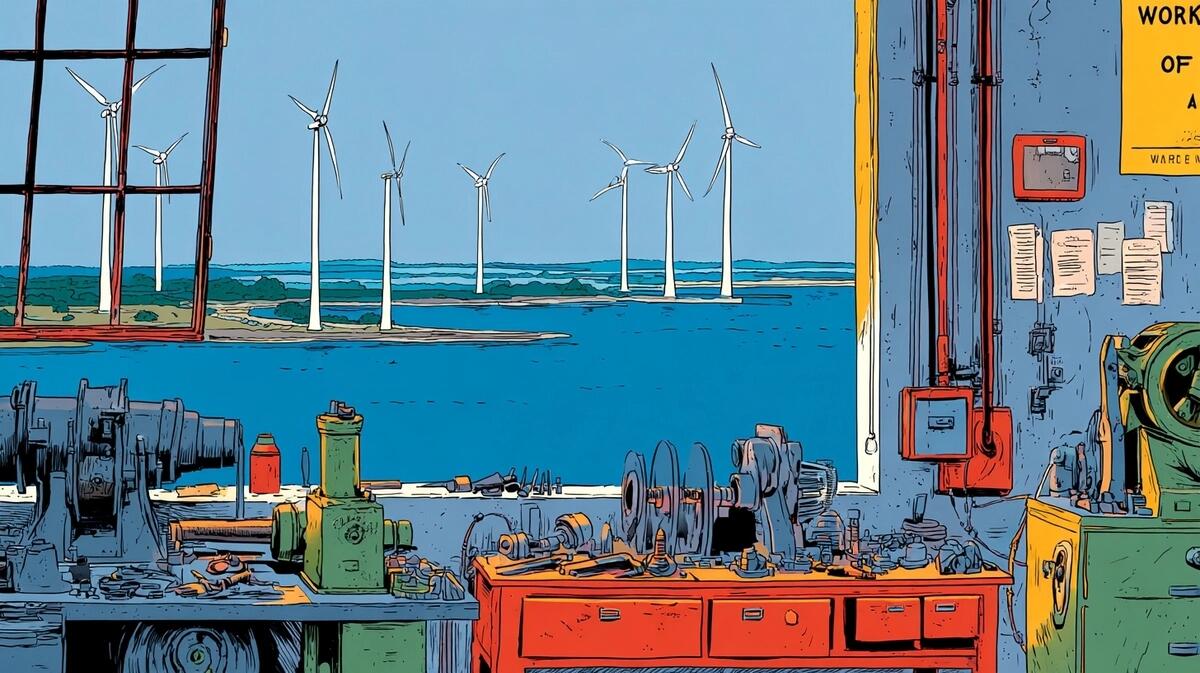
At its peak, Britain was known as the workshop of the world. Sheffield produced high-quality steel, Manchester still had a strong textiles sector and the West Midlands was world-renowned for its cars. Glasgow, Sunderland and Newcastle were shipbuilding hubs, Stoke-on-Trent produced ceramics.
Cities around Britain provided steady employment for skilled tradespeople, keeping communities together and wealth distributed around the country. In the 1980s and ’90s, this was underpinned by looser employment regulations and strong energy security through North Sea oil and gas. Businesses could hire who they wanted, for a wage they were comfortable paying and without soaring energy bills to worry about. Just ten years ago, electricity prices were around £31/MWh, today they have almost tripled to around £90/MWh. When competitors such as the United States don’t have a nationwide carbon tax while Britain has had a carbon price floor since 2013, it is easy to see how business can quickly become uncompetitive.
Britain’s industrial sector was promised lower energy bills through renewables; instead, it is paying higher prices and additional taxes to subsidise green policies. The Climate Change Committee recently forecast offshore wind electricity prices of £35/MWh by 2040, the reality suggests that this is unlikely. Using intermittent renewables to power energy-intensive industries brings with it its own problems, creating high energy prices in wind and solar droughts when domestic firm power isn’t readily available.
Even by 1990, around one-sixth of Britain’s GDP came from the manufacturing industry. The country was still in the top five global manufacturing powers and possessed competitive steel, car, and chemical industries. At this time, our industrial energy prices were reasonably similar to the rest of Europe, with allies like Germany and Italy paying more than the UK. Today, the UK’s industrial energy prices have risen by 669 percent—dwarfing increases of 389 percent in Germany and 544 percent in Italy. A driving force behind this is underinvestment in reliable electricity generation and the idealistic belief that intermittent renewables, backed up by government subsidies, can replace firm sources of power such as coal and gas.
In the pursuit of lowering carbon emissions, Britain has abandoned its manufacturing sector. As we have artificially inflated energy prices through policy costs and made employing people harder, our industries have shifted to countries with more business-friendly environments. While rising comparative wage rates naturally encourage industry to shift overseas, the British government has further pushed industry away through deliberate choices. This has created job losses and regional decline as former manufacturing towns lose historic businesses.
Energy-intensive industry such as steel manufacture cannot survive when industrial energy prices are four times that of the United States. In fact, Britain has the fewest steel plants left in the G7, with plummeting production capabilities, especially for virgin steel. No matter how low other input costs are, such high energy costs will repel investment. A recent example of this is the collapse of the long-established pottery firm Denby. While Britain remains gifted with abundant, high-quality clay, energy prices and the transition to electric kilns have rendered the sector unsustainable.
This problem is much the same across the rest of Britain’s manufacturing sector. Energy prices drive up unit costs, before government legislation further entrenches high wage bills and punitive taxes. From every direction, the business sector is attacked—and manufacturers, as the most energy-intensive type of industry, are most exposed. Britain’s deindustrialisation has many causes, but shortcomings in energy and workforce policy go a long way toward explaining why many once-prosperous enterprises are now shutting down. Britain has already lost a significant share of the manufacturing capacity that once formed the bedrock of its economy and national security, and the decline continues.
That does not mean more government is the answer. A laissez-faire approach to workforce policy was a key reason behind the prosperity of Britain’s manufacturing sector as late as the 1990s. Industrial towns created reliable paths into work for young people without the need for state intervention, strengthening communities and keeping regional employment rates across Britain healthy.
It is government policy that keeps getting in the way. A rising minimum wage has pushed businesses to cut back on hiring, while post-1990s legislation has made it easier to unionise, harder to fire staff, and capped working times. This has increased staff costs and has made turnover harder, slowing the jobs market.
An advanced economy can typically rely on productivity gains to offset higher energy prices and wage rates. However, Britain’s dismal productivity growth in recent years, compounded by chronic underinvestment, has made that much harder to achieve—and the scale of recent energy price increases has rendered those traditional offsets inadequate. Even advanced industries such as pharmaceuticals and chemicals are now considering moving abroad. This risks losing jobs and undermining strategic domestic production.
Bringing back manufacturing to Britain is by no means an easy task. But prioritising low energy prices, on-the-job training and less heavyhanded labour regulation would allow sustainable businesses a fighting chance. Only by significantly improving our industrial competitiveness can we have any hope of bringing back Britain’s great industries of the past.
Related Markets
All MarketsMarket data may be delayed. Not financial advice.
Powered by Gab AI
The Story At A Glance
Reading this article now — analysis appears below
💡 AI analysis provides alternative perspectives on current events