It's Not Iran Trapping Ships In The Hormuz, It's The Insurance Risk
The short version
- The damage actually done to Iran's military and weaponry by US strikes is a matter of hot debate, but one aspect of the strikes that is relatively easy to confirm is the…
- US Central Command indicates that around 92% of Iran's naval capacity has been sunk to the bottom of the ocean including at least 10 small submarines.
- So far, the regimes ability to actually hit and destroy US ships is next to nil.
- The much vaunted "mosquito fleet" of small and fast attack boats has proven to be ineffective against US operations in the Strait…
- At bottom, Iran has no ability to enforce an effective "blockade" on the strait.
The story
Is the Iranian regime the immediate barrier to oil tankers seeking to exit the Strait of Hormuz, or is it fear of liability that's keeping shipping companies at bay?
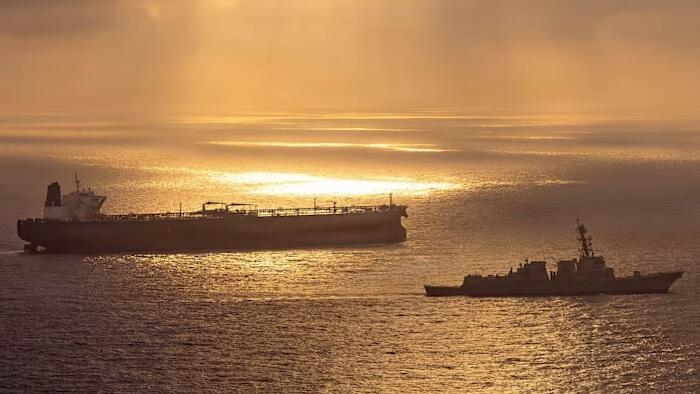
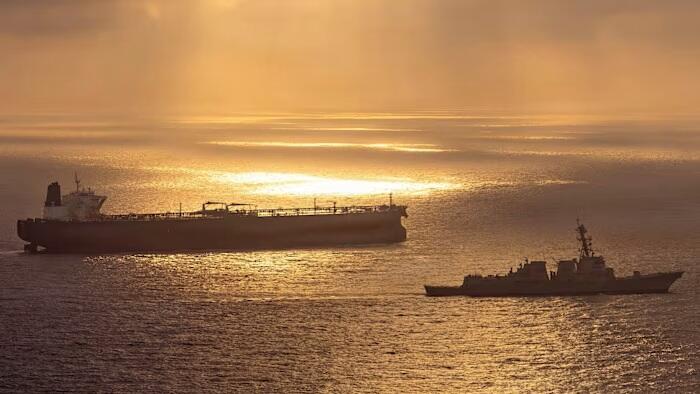
The damage actually done to Iran's military and weaponry by US strikes is a matter of hot debate, but one aspect of the strikes that is relatively easy to confirm is the destruction to Iran's navy. US Central Command indicates that around 92% of Iran's naval capacity has been sunk to the bottom of the ocean including at least 10 small submarines. So far, the regimes ability to actually hit and destroy US ships is next to nil.
The much vaunted "mosquito fleet" of small and fast attack boats has proven to be ineffective against US operations in the Strait, with some naval ships traveling directly through the Hormuz without much trouble. At bottom, Iran has no ability to enforce an effective "blockade" on the strait.
The regime's containment is mostly restricted to the use of drones, which can be countered with US technology (jamming and counter-drone operations). But Iran also understands that the volatility of the cargo and the insurance risk is the greater element working in their favor.
In other words, no matter how effective US forces have been in destroying Iran's assets in the strait, the financial risk to oil shippers remains. Insurance companies are the Trump Administration's biggest obstacle, not Iran's military. Tankers will not budge because there are too many coverage gaps, including the dreaded environmental coverage gap.
Pre-conflict, the insurance premium baseline for the Hormuz was extremely low (0.25% of a ships total value). Today, those premiums have spiked from 2% to 10%. Major insurers including P&I clubs like Gard, Skuld, NorthStandard and London P&I issued cancellation notices for war-risk coverage in the Persian Gulf area, effective in March. Reinsurers pulled back, forcing repricing. The costs are far too high and the risk outweighs the reward.
Traffic in the strait dropped by 80% almost immediately because of the loss of insurance. This created a self-reinforcing problem: Even with limited US naval guidance ("Project Freedom") or occasional Iranian-coordinated passages, commercial operators avoid the risk without affordable coverage.
Industry brokers and shipping executives assert that the costs cannot be managed, and they have decided to adopt a "wait and see" approach on negotiations. Marcus Baker, Global Head of Marine, Cargo & Logistics at Marsh notes that tankers remain “insurable, if you’re prepared to take the risk...” but he emphasized the massive cost barrier for most operators.
Interestingly, Iran's latest negotiation salvo on the strait focuses on their own crypto-based insurance scheme. It effectively amounts to a "protection racket", forcing companies to buy insurance from the regime in exchange for safe passage. However, there have been few takers; most shippers don't trust Iran to ensure the safety of their vessels.
The obvious first solution would be for the Trump Administration to offer US backed coverage for tankers traversing the Hormuz. This already happened in March.
Early in the war President Trump directed the U.S. International Development Finance Corporation (DFC) to provide political risk insurance and financial guarantees for maritime trade in the Gulf region. A maritime reinsurance facility was established offering up to $40 billion for hull & machinery, cargo, and in some expansions, liability risks. It partners with major insurers like Chubb and AIG.
The alternative coverage is reasonable, but there are some problems. The US is not offering full coverage which includes environmental damages should an oil spill take place, along with other gaps which prevent shippers from taking the deal. It also does not yet guarantee full escort protection for tankers traversing the strait, a factor which has been up in the air due to negotiations.
Analysts at Moody's note that US government-backed coverage will not fully restart flows without broader liability protections.
In other words, if the Trump Administration wants to get ships moving out of the strait anytime soon, they will have to amend their insurance to cover all gaps including environmental risk. And, they will have to provide a reliable escort system. This can be easily accomplished with Littoral combat ships with anti-mine and anti-air capability and anti-drone tech that are able to operate in shallow and narrow waters. These ships have some of the most advanced automated anti-drone systems in the world.
Accurate details on negotiations with the Iranian regime are sparse. Iran's propaganda operations on social media often contradict their own diplomatic statements. It's important to keep in mind that the regime is concerned with looking weak to their own population, and the constant posturing online is often designed to keep their citizenry in line rather than frighten the US.
There are also questions as to who is actually in charge. Iran's new "supreme leader" has not been seen alive since the decapitation strikes. Theories suggest the IRGC has reanimated the corpse of Ayatollah Mojtaba Khamenei through propaganda as a means to maintain a semblance of government authority.
It may be that no one is really at the wheel in Iran and that current negotiations are nothing more than a stalling tactic while the remaining officials vie for power. A deal may be close, but alternatives need to be considered. All other factors aside (including Iran's stockpile of nearly 1000 pounds of 60% enriched Uranium which they openly admit to having), the Strait of Hormuz may require solutions outside of a deal with Iran. And, those ships simply will not move without some impressive financial guarantees from the US.
Related Markets
All MarketsMarket data may be delayed. Not financial advice.
Powered by Gab AI
The Story At A Glance
Reading this article now — analysis appears below
💡 AI analysis provides alternative perspectives on current events