The Market Is Starting To Price In Something Most People Still Don't See
The short version
- Most people still see the situation with Iran as another distant geopolitical story.
- It appears on television for a few minutes, disappears behind domestic political news, and then returns a few days later when another headline emerges.
- Investors, however, are beginning to treat it very differently.
- They are not watching the negotiations because they care about diplomatic symbolism.
- They are watching because a growing number of traders believe the global economy may be far more vulnerable to a prolonged disruption than policymakers are willing to admit.
The story
Authored by Milan Adams,
There is a strange disconnect developing between financial markets and the average person.
Most people still see the situation with Iran as another distant geopolitical story. It appears on television for a few minutes, disappears behind domestic political news, and then returns a few days later when another headline emerges. Investors, however, are beginning to treat it very differently. They are not watching the negotiations because they care about diplomatic symbolism. They are watching because a growing number of traders believe the global economy may be far more vulnerable to a prolonged disruption than policymakers are willing to admit.
The irony is that the biggest threat is no longer war itself. The biggest threat is uncertainty.
For months, markets convinced themselves that a deal between Washington and Tehran was only a matter of time. There would be disagreements, public threats and last-minute complications, but eventually economic reality would force both sides toward some form of compromise. That belief became so widespread that many investors stopped considering what would happen if the opposite occurred.
Now that assumption is being tested.
Over the last several days, optimism surrounding a diplomatic breakthrough has faded once again. Conflicting reports about the future of the negotiations have pushed oil markets into another period of volatility, and prices remain dramatically higher than they were before the crisis began. Brent crude recently climbed back above $95 per barrel after fresh uncertainty surrounding the talks, while industry executives warned that the market may still be underestimating the risks ahead.
What makes this particularly dangerous is that the global economy no longer has the same shock absorbers it once had.
Back in 2008, governments could throw enormous amounts of money at a crisis. During the pandemic years, central banks unleashed trillions of dollars in liquidity. Today many of those same governments are carrying debt loads that would have been considered extraordinary only a decade ago. Interest costs are rising. Economic growth is slowing. Consumers have spent years absorbing inflation that never fully disappeared. The financial system looks stable on the surface, but underneath that surface there are clear signs of fatigue.
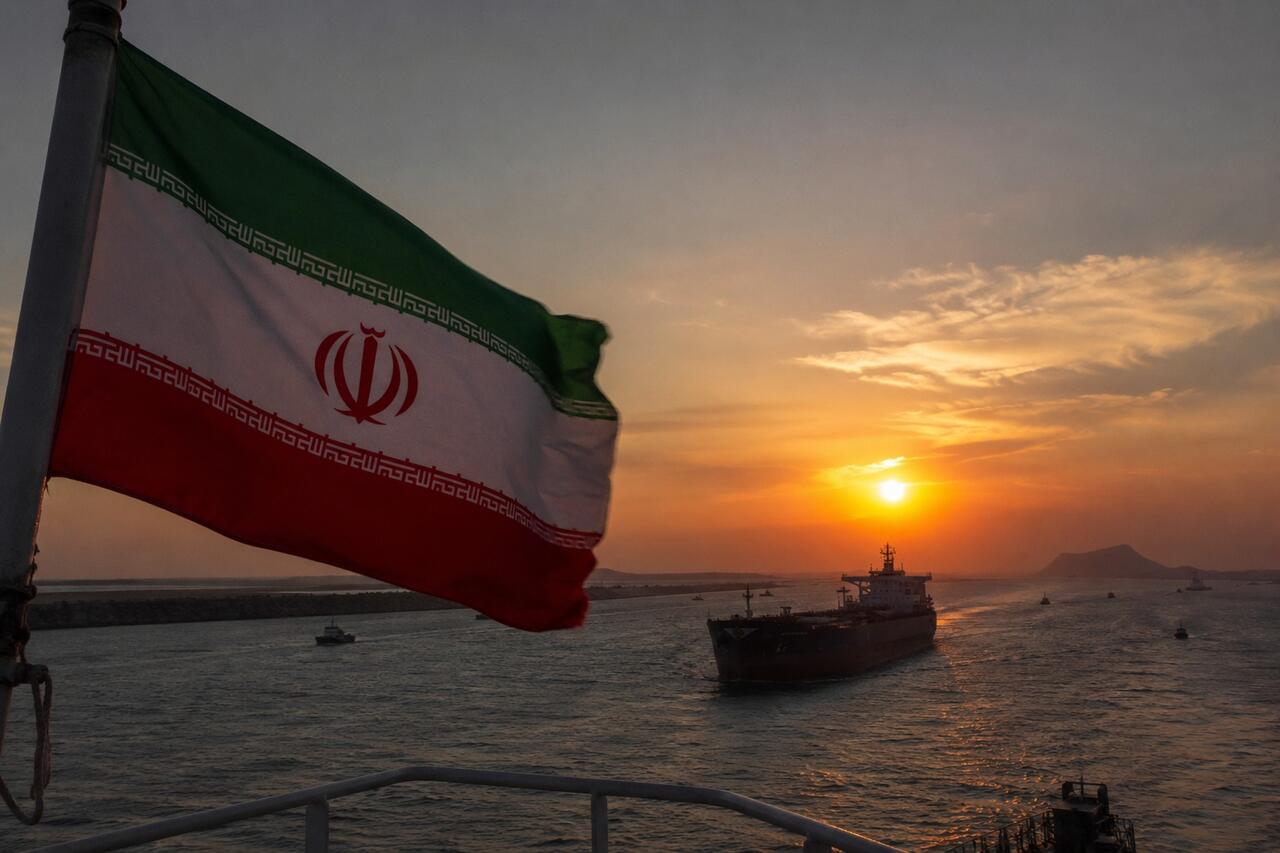
That is why the Strait of Hormuz matters so much.
Most people know it is an important shipping route. What they often do not understand is how concentrated global energy flows actually are. In peacetime, roughly one fifth of the world’s oil and liquefied natural gas moves through that narrow corridor. Think about that for a moment. One out of every five barrels of oil consumed somewhere on this planet depends on a maritime bottleneck that can be measured in miles rather than hundreds of miles.
The modern global economy was built on the assumption that this route would remain available.
Everything from airline tickets to fertilizer prices is connected to that assumption.
The danger is not necessarily a complete shutdown. Markets do not need a worst-case scenario to panic. They only need enough uncertainty to begin pricing in the possibility of one. Once that happens, shipping costs rise, insurance premiums increase, inventories start being accumulated instead of consumed, and companies begin preparing for disruptions that may never actually occur. Ironically, those preparations themselves can create economic damage.
That process may already be underway.
One of the most interesting comments this week came not from a politician but from one of the world’s largest oil traders. A senior executive at Vitol warned that markets could be seriously underpricing the risks associated with the current situation. According to him, the real stress may not appear when headlines are at their most dramatic. It may appear months later when refiners and industrial consumers suddenly discover that physical supplies are harder to obtain than expected.
History suggests he may have a point.
Most economic shocks do not begin with a dramatic collapse. They begin with a series of small disruptions that seem manageable in isolation. A delay here. A shortage there. Higher insurance costs. Longer shipping routes. Reduced inventories. Rising borrowing costs. None of these developments look catastrophic on their own. The problem appears when they begin reinforcing one another.
By the time ordinary consumers notice the impact, the chain reaction is usually well advanced.
Related Markets
All MarketsMarket data may be delayed. Not financial advice.
How other outlets covered this
Compare allAlto found this story at 5 outlets. Same event, different framing — compare the headlines.
- ZeroHedgeWealth Exodus: Australians Flock To Property Investment Over Business5 days ago
- VentureBeatEnterprises are overpaying for simple AI queries — Snowflake's gateway now auto-routes to cut costs up to 3x9 days ago
- The VergeIt’s about ethics in journalism, with Ben Smith10 days ago
- AxiosMusk and Zuckerberg claw back into AI race with new model momentum14 days ago
- APA history of Iran’s nuclear program and tensions with the US as an interim deal is reached2 months ago
How this story developed
Full timelineAlto has tracked this across 46 days of coverage from 5 outlets.
Powered by Gab AI
The Story At A Glance
Reading this article now — analysis appears below
💡 AI analysis provides alternative perspectives on current events