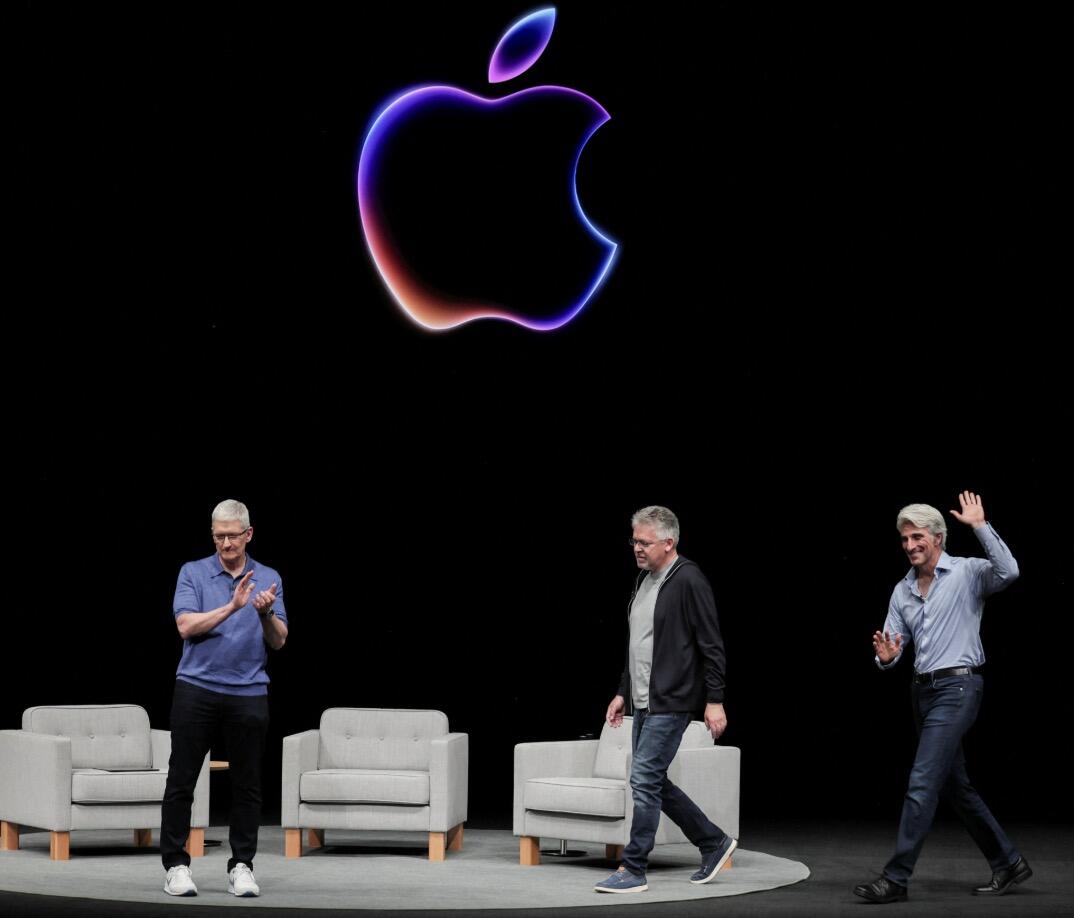
A "Black Mark" On Tim Cook's Resume: How Apple Missed The AI Revolution
The short version
- They became impossible to ignore when Apple itself realized it had fallen behind, according to a new feature by Bloomberg .
- By early 2025, senior leaders inside the company were holding emergency-level discussions about the state of Apple's AI efforts.
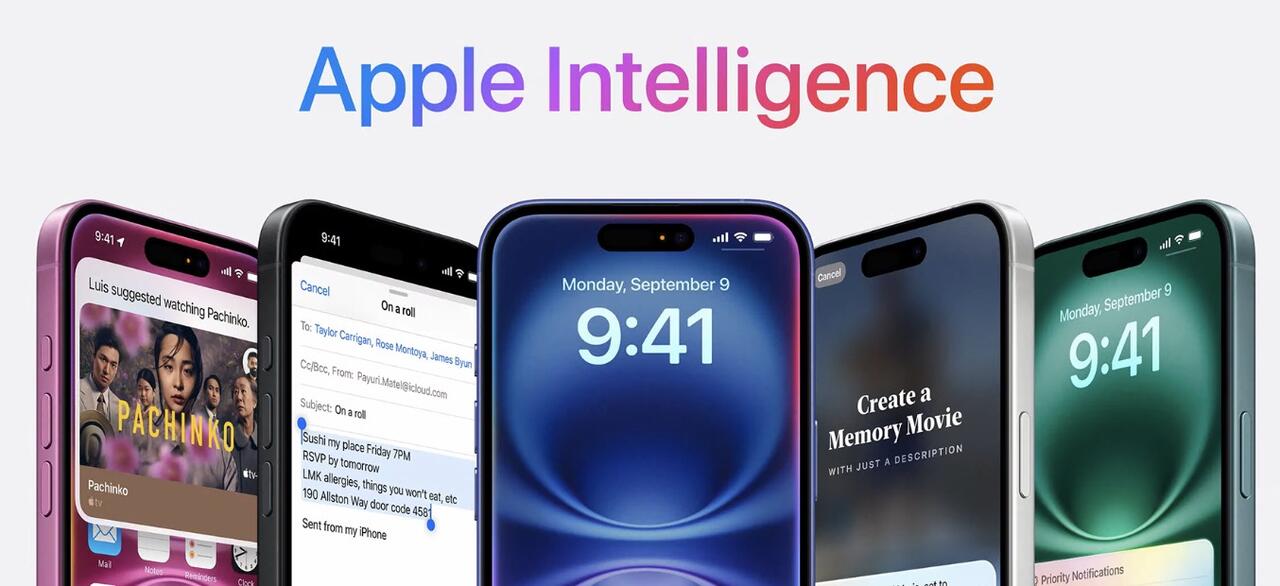
- What was supposed to be a major leap forward—Apple Intelligence and a next-generation Siri—had instead exposed deeper weaknesses.
- While Google, OpenAI, Microsoft, Meta, and Anthropic were rapidly improving their models, Apple was struggling to deliver features it had already announced.
- Bloomberg writes that the issue wasn't simply that Siri needed work.
The story
Apple's AI problems didn't become impossible to ignore because competitors released better chatbots. They became impossible to ignore when Apple itself realized it had fallen behind, according to a new feature by Bloomberg.
By early 2025, senior leaders inside the company were holding emergency-level discussions about the state of Apple's AI efforts. What was supposed to be a major leap forward—Apple Intelligence and a next-generation Siri—had instead exposed deeper weaknesses. While Google, OpenAI, Microsoft, Meta, and Anthropic were rapidly improving their models, Apple was struggling to deliver features it had already announced.
Bloomberg writes that the issue wasn't simply that Siri needed work. Executives increasingly believed Apple had underestimated the importance of generative AI altogether. The company had spent years assuming its traditional strengths—hardware, privacy, and tightly integrated software—would be enough. By the time ChatGPT reshaped expectations for consumer AI, Apple had no competitive answer.
Internally, confidence in the existing AI organization had eroded. Leaders concluded that the company's problems were structural as much as technical. Decision-making was fragmented, ownership was unclear, and AI lacked the urgency that surrounded other major Apple initiatives. What had once been viewed as a side technology suddenly looked like the foundation of the industry's future.
That realization triggered a leadership shake-up. Mike Rockwell, best known for leading Vision Pro, emerged as one of the strongest advocates for a more aggressive AI strategy. He had long argued that Apple was not taking the technology seriously enough. When the company's AI shortcomings became impossible to ignore, he was brought in to help rescue Siri and reset the effort.
The shift also forced a change in Tim Cook's approach. Historically, Cook delegated product strategy to his lieutenants, stepping in mainly for reviews and major decisions. AI became an exception. After the disappointing rollout of Apple Intelligence, Cook reportedly became far more involved, pushing executives to move faster and treating AI as a top corporate priority rather than another software feature.
Bloomberg even called Apple Intelligence 1.0 a "black mark" on the resume of Tim Cook.
Perhaps the clearest sign of Apple's miscalculation is how dramatically its position has changed. The company initially downplayed the importance of chatbot-style assistants and generative AI products. Now it is preparing to launch a more conversational Siri and AI experiences that look much closer to what competitors have already been offering for years. Apple once argued that many of these products weren't necessary; now it is racing to build them.
The consequences extend beyond software. Several future hardware projects have reportedly been delayed because Apple's AI capabilities weren't ready. Devices that depended on intelligent assistants, computer vision, or advanced AI interactions could not move forward without the underlying technology.
What makes the situation unusual is that Apple rarely finds itself reacting to industry trends rather than defining them. The company built its reputation by anticipating shifts in computing before everyone else. With generative AI, it appears to have done the opposite. Instead of leading the transition, Apple spent years underestimating it and is now trying to catch up.
The real story isn't the launch of a new Siri. It's that Apple spent decades shaping the future of consumer technology, only to discover that the next major platform shift had started without it.
Related Markets
All MarketsMarket data may be delayed. Not financial advice.
How this story developed
Full timelineAlto has tracked this across 4 days of coverage from 1 outlet.
- A "Black Mark" On Tim Cook's Resume: How Apple Missed The AI RevolutionYou are here
Powered by Gab AI
The Story At A Glance
Reading this article now — analysis appears below
💡 AI analysis provides alternative perspectives on current events