USAF Seeks 'Dronebuster' Anti-Jammer Gun To Protect Nuclear-Strike Base
The short version
- The proliferation of low-cost drones across Eurasian war zones, from the Ukraine-Russia war to the US-Iran conflict in the Middle East…
- One-way attack drones and FPVs have exposed a missing layer of affordable air defense around high-value assets, including military bases, energy infrastructure, data centers…
- This startling development has been a major wake-up call for Western leaders and suggests only one conclusion: a massive procurement wave for counter-UAS technology is likely just…
- The race to secure high-value assets against drones was seen last week when the U.S.
- Air Force moved to expand counter-drone defenses at one of America's most sensitive nuclear missile bases by issuing a solicitation to purchase a batch of handheld counter-drone…
The story
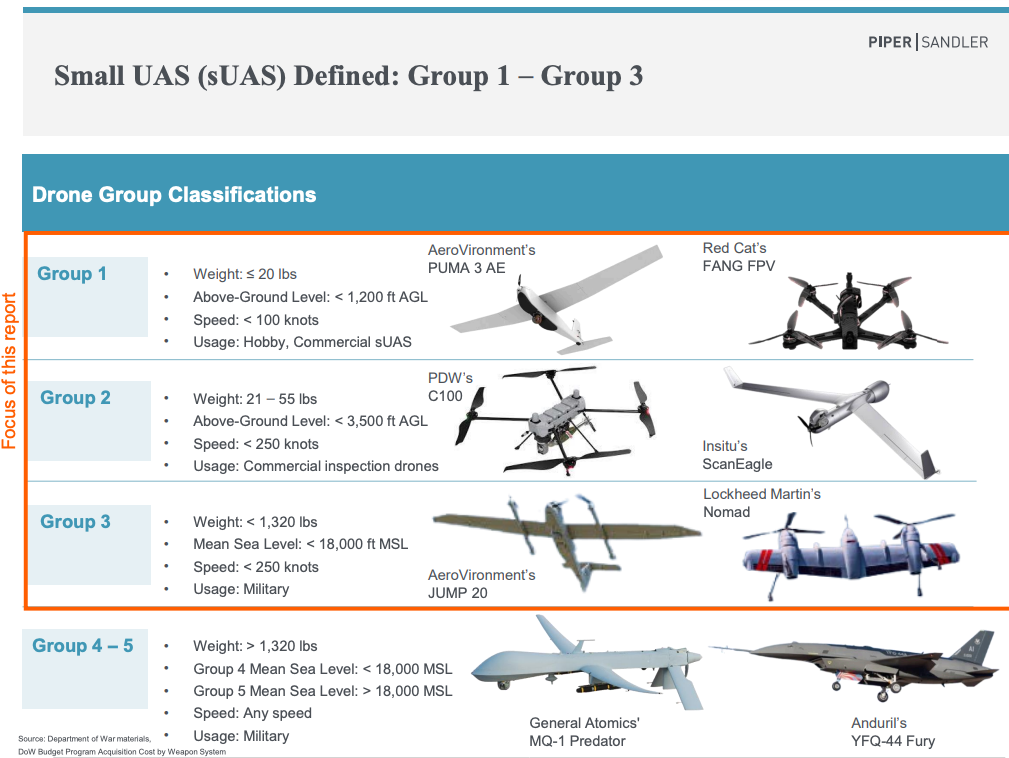
Whether it's data centers, critical infrastructure, stadiums, corporate headquarters, or even military bases, the U.S. remains largely unprepared to combat one-way attack drones, including Category 1 through 3 drones, because a critical layer of cheap, scalable counter-UAS technology is missing.
The proliferation of low-cost drones across Eurasian war zones, from the Ukraine-Russia war to the US-Iran conflict in the Middle East, has permanently changed the course of modern warfare.
One-way attack drones and FPVs have exposed a missing layer of affordable air defense around high-value assets, including military bases, energy infrastructure, data centers, ports, stadiums, and corporate headquarters. This startling development has been a major wake-up call for Western leaders and suggests only one conclusion: a massive procurement wave for counter-UAS technology is likely just ahead.
Last week, Piper Sandler analyst Clarke Jeffries arrived at the same conclusion we have been highlighting:
We anticipate one of the biggest lessons of the 2020s will be how affordable drone technology fundamentally reshaped the modern combat environment and set the stage for a reevaluation of the procurement, organization and strategy of ~$3T in annual global military expenditures.
While drones have existed in the modern military apparatus for decades at this point, it was the Ukraine war (as one of the first near-peer conflicts in recent memory) which provided demonstrable evidence of how specifically lightweight and affordable systems could change the paradigm of combat.
The race to secure high-value assets against drones was seen last week when the U.S. Air Force moved to expand counter-drone defenses at one of America's most sensitive nuclear missile bases by issuing a solicitation to purchase a batch of handheld counter-drone electronic warfare guns.
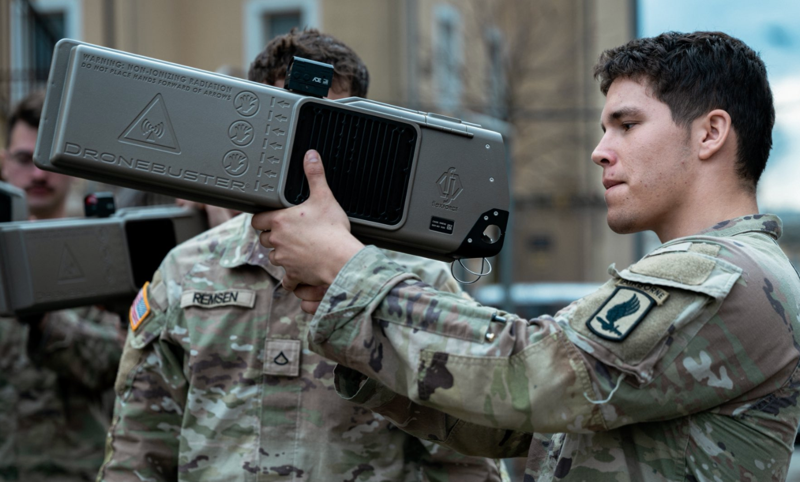
According to Defense Blog, the 5th Contracting Squadron at Minot Air Force Base in North Dakota issued a June 18 solicitation to purchase DZYNE Technologies' Dronebuster Block 4 for the 91st Security Forces Group.
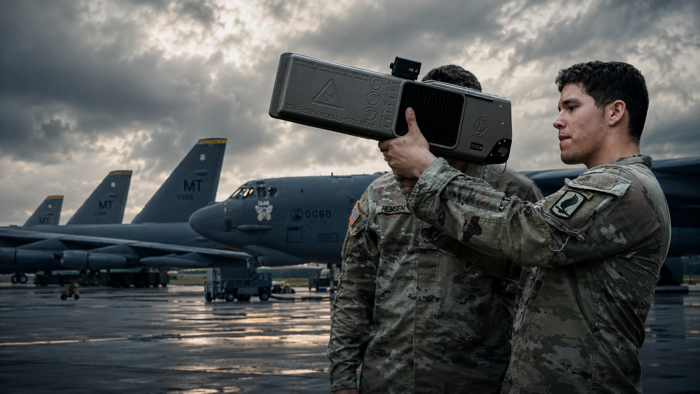
The Dronebuster is a rifle-shaped anti-drone jammer that an operator points at an unauthorized drone to disrupt it, rather than shooting it down with a projectile.
"Quotes from vendors are due no later than June 26, 2026, giving the defense industry less than two weeks to respond to a requirement the Air Force has formally described as an operational necessity," Defense Blog wrote in the report.
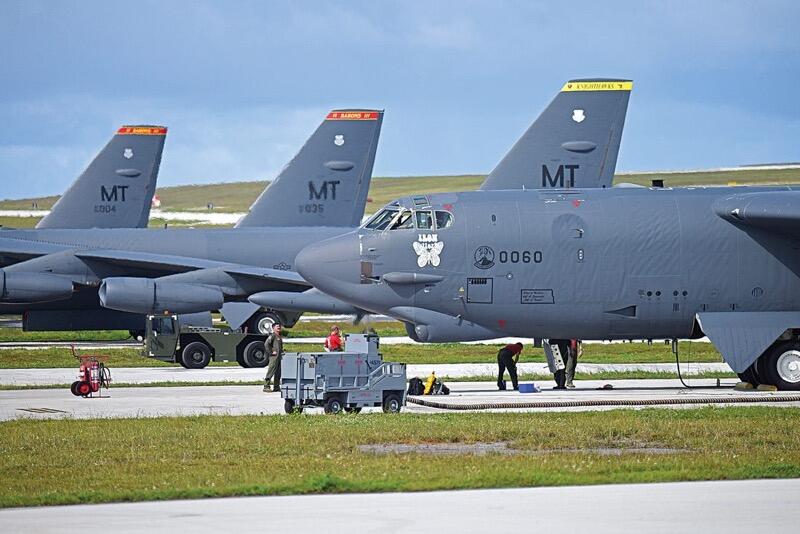
Why Minot Air Force Base seeks Dronebusters likely hinges on the need for security forces to protect B-52H Stratofortress bombers, nuclear missile infrastructure, and other high-value assets from small drones. Lessons from the US-Iran conflict show how low-cost drones can threaten +$100 million jets, or a multi-million-dollar radar or communications system.
We suspect the procurement cycle for drones and counter-UAS technology is only in its early stages. We detailed how readers can profit from "The Asymmetric Warfare Boom" in a note on Saturday, found here.
Related:
Dronebuster can be useful against standard FPVs, GPS-dependent drones, and drones with radio links. But against an emerging fiber-optic FPV drone with no RF command link and no GPS dependency, a handheld jammer is useless, suggesting the need for kinetic interceptors.
Related Markets
All MarketsMarket data may be delayed. Not financial advice.
Powered by Gab AI
The Story At A Glance
Reading this article now — analysis appears below
💡 AI analysis provides alternative perspectives on current events