Syria 'Unwilling, Unprepared' To Attack Lebanon & Deal With Hezbollah Despite US Pressure
The short version
- KAN cited an informed Syrian source who said that Sharaa is "concerned" that an attack by Damascus against Hezbollah will be seen across the region as "serving" Israel's interests…
- This could negatively impact Damascus’s "legitimacy." For now, the self-appointed Syrian president is ruling out an attack against Lebanon and its resistance forces unless Israel…
- Israel has rejected withdrawal from both Syria and Lebanon.
- KAN also said that Turkey – a longtime backer of Sharaa since his days as Abu Muhammad al-Julani, founder and leader of Al-Qaeda’s Nusra Front – has urged Damascus against such an…
- Ankara is reportedly concerned that a Syrian assault on Lebanon would "embolden" Tel Aviv and "strengthen" its position.
The story
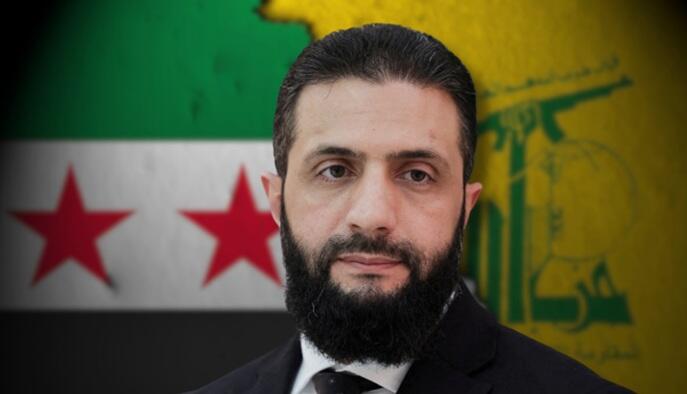
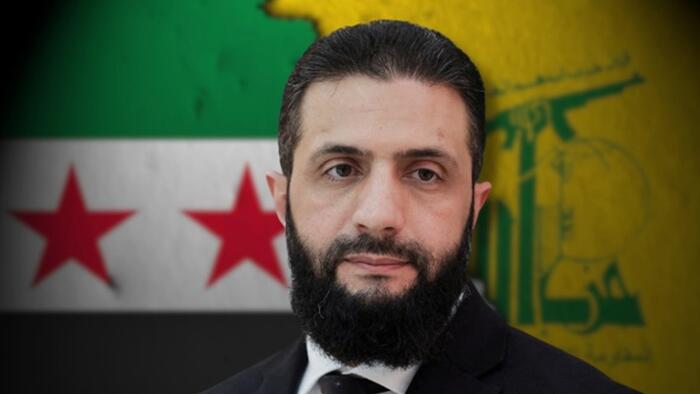
Syrian President and former Al-Qaeda chief Ahmad al-Sharaa is "unprepared and unwilling" to launch a military offensive against Lebanon despite growing US pressure, Israel’s Broadcasting Corporation (KAN) reported days ago.
KAN cited an informed Syrian source who said that Sharaa is "concerned" that an attack by Damascus against Hezbollah will be seen across the region as "serving" Israel's interests.
This could negatively impact Damascus’s "legitimacy." For now, the self-appointed Syrian president is ruling out an attack against Lebanon and its resistance forces unless Israel decides to pull its forces out of Syria, the report states.
Israel has rejected withdrawal from both Syria and Lebanon. KAN also said that Turkey – a longtime backer of Sharaa since his days as Abu Muhammad al-Julani, founder and leader of Al-Qaeda’s Nusra Front – has urged Damascus against such an incursion.
Ankara is reportedly concerned that a Syrian assault on Lebanon would "embolden" Tel Aviv and "strengthen" its position.
"Trump proposed a framework in which the Syrian military would play a central role in a future effort to disarm Hezbollah," i24 reported on Wednesday.
Lebanese authorities reportedly felt uneasy about the idea during recent US-backed direct talks with Israeli officials, which have taken place despite Lebanon’s legal restrictions.
Additionally, Israeli authorities are reportedly concerned about the effectiveness of a Syrian attack on Hezbollah.
"Some of the arrangements currently under discussion could ultimately strengthen Hezbollah politically and militarily rather than diminish its influence,” i24 reported.
Sharaa said earlier this week that talk of a Syrian incursion into Lebanon was a “rumor.” “Syria's approach aims to end the war in Lebanon, not to expand it or get involved,” he stressed.
US President Donald Trump has repeatedly called on Syria to attack Hezbollah.
Iraqi resistance groups allied with Hezbollah have cautioned the Syrian government and its forces that they will act if Damascus initiates an attack on Lebanon.
Syria experienced a significant geopolitical change following the fall of former President Bashar al-Assad in December 2024, as Sharaa’s government aligned with Washington and engaged in discussions with Israel.
The US has largely lifted sanctions on Syria and called Damascus a “partner” in the global fight against ISIS — overlooking Sharaa’s past as an Al-Qaeda leader and earlier as deputy to ISIS founder Abu Bakr al-Baghdadi.
Hezbollah fought in Syria for years with the former government, helping recapture areas from extremist groups like Al-Qaeda’s Nusra Front, Ahrar al-Sham, and others considered by the west as the “Syrian opposition.”
The Nusra Front, led by Sharaa, was rebranded into Hayat Tahrir al-Sham (HTS) and ended up toppling Assad’s government in 2024. HTS and other extremist factions with links to ISIS currently dominate what has become the new Syrian Defense Ministry and military.
ISIS vs. Hezbollah sectarian war 2.0?...
Trump told Fox News that he is close to *empowering* Jolani (Ahmad al Sharaa) to fight the Hezbollah in Lebanon.
— Scharo Bajalan (@ScharoBajalan) June 21, 2026
This aligns with a string of other recent remarks by Trump that Syria will be ordered to attack Lebanon on behalf of Israeli and US interests. pic.twitter.com/epuq2xMKRu
Tom Barrack, US special envoy to Syria and Iraq, threatened Lebanon last year with a Syrian incursion, and said Damascus would “actively assist us in confronting and dismantling … Hezbollah.”
He also said Syria viewed Lebanon as its “beach resort” and would carry out an assault against the country unless Hezbollah is disarmed.
Related Markets
All MarketsMarket data may be delayed. Not financial advice.
How this story developed
Full timelineAlto has tracked this across 2 days of coverage from 1 outlet.
- Syria 'Unwilling, Unprepared' To Attack Lebanon & Deal With Hezbollah Despite US PressureYou are here
Powered by Gab AI
The Story At A Glance
Reading this article now — analysis appears below
💡 AI analysis provides alternative perspectives on current events