Araghchi Visits Soleimani Assassination Site, Issues Fresh Warning Over US Moves In Hormuz
The short version
- The timing behind his visit to Baghdad is interesting, right at the moment a widening corruption sweep conducted by elements of the Iraqi government…
- The symbolism of defiance and readiness to fight was on display too , given Araghchi's corresponding visit to the site of former IRGC Quds Force commander Qasem Soleimani's…
- Source: WANA News Agency Iraq's state-run Iraqi News Agency reported that several political figures were arrested in a corruption probe tied to testimony from former Deputy Oil…
- As we reported earlier , security forces locked down Baghdad's heavily fortified Green Zone and carried out raids inside the government and embassy district that sits on the west…
- It contains key Iraqi state institutions, including parliament and government offices, as well as foreign embassies, most notably the US Embassy.
The story
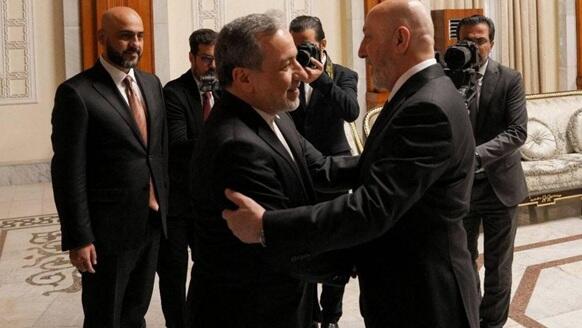
“The Strait of Hormuz will return to its pre-war operating conditions within 30 days under a management framework implemented by Iran," Iranian Foreign Minister Abbas Araghchi has warned during a joint press conference with his Iraqi counterpart Fuad Hussein.
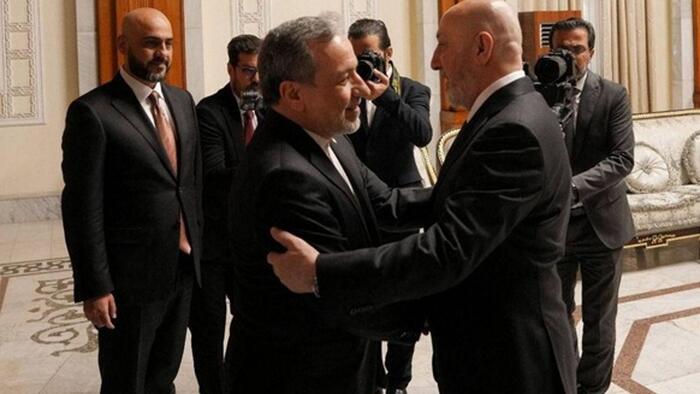
The timing behind his visit to Baghdad is interesting, right at the moment a widening corruption sweep conducted by elements of the Iraqi government, which has unleashed mass protests and unrest outside Baghdad's Green Zone. The symbolism of defiance and readiness to fight was on display too, given Araghchi's corresponding visit to the site of former IRGC Quds Force commander Qasem Soleimani's assassination outside Baghdad Airport.
Iraq's state-run Iraqi News Agency reported that several political figures were arrested in a corruption probe tied to testimony from former Deputy Oil Minister Adnan al-Jumaili, who was detained last month.
As we reported earlier, security forces locked down Baghdad's heavily fortified Green Zone and carried out raids inside the government and embassy district that sits on the west bank of the Tigris River. It contains key Iraqi state institutions, including parliament and government offices, as well as foreign embassies, most notably the US Embassy.
As for Aragchi, he also also called on "all parties to refrain from interfering in Iran's management of the strait and to allow the memorandum to proceed as agreed."
This also as a separate statement out of the Iranian government condemned what it called severe violations of the ceasefire and agreed-to Memorandum of Understanding by the US.
Islamic Revolutionary Guard Corps (IRGC) spokesman Brig. Gen. Hossein Mohebbi vowed harsher retaliation in the scenario of any new US attacks.
"We have responded, and will continue to respond, to every action the enemy takes in this regard. We reiterate: if the enemy breaks its commitments and violates the ceasefire, we will respond more forcefully than before," said Mohebbi.
Crucially while in Iraq Sunday the top Iranian diplomat FM Araghchi visited the site where Qasem Soleimani, the former IRGC Quds Force commander, was killed in a US strike during the first Trump term:
Iranian Foreign Minister Abbas Araghchi is in Iraq today and visited the site where Qasem Soleimani, the former IRGC Quds Force commander, was killed in a U.S. strike during the first Trump administration. pic.twitter.com/p1jRdroKtD
— OSINTdefender (@sentdefender) June 28, 2026
The aforementioned major Baghdad protests triggered by the ongoing anti-corruption sweep appears aimed at Iraq's political class aligned with Iran. The US has long sought to peel away this influence, which ironically became solidified only in wake of the 2003 US invasion of Iraq and overthrow of Baathist secular Sunni strongman Saddam Hussein.
The timing is also critical, coming just after Iran targeted Bahrain and Kuwait with drones and missiles in response to US strikes. That suggests Baghdad, with US influence, may be moving to eliminate Iran-linked networks inside Iraq before they can become a more worrisome pressure point.
Related Markets
All MarketsMarket data may be delayed. Not financial advice.
Powered by Gab AI
The Story At A Glance
Reading this article now — analysis appears below
💡 AI analysis provides alternative perspectives on current events