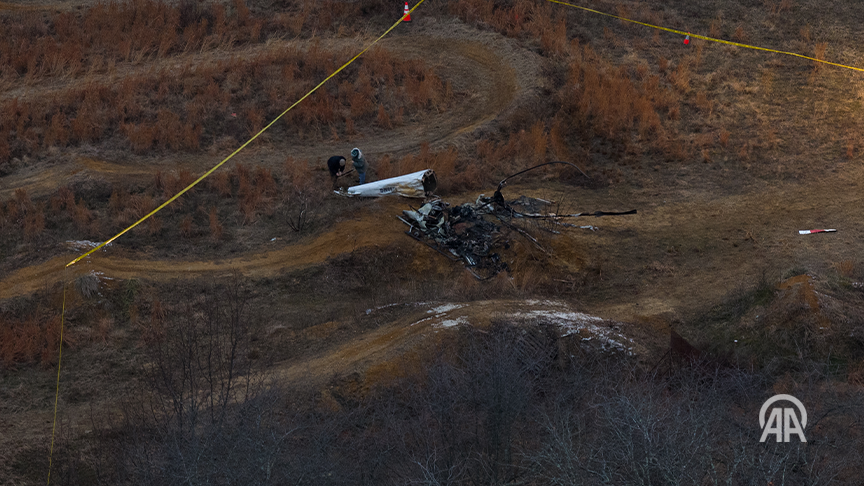
Saudi Aramco Helicopter Crash Kills 14 In Ras Tanura , Cause Unknown
The short version
- Aramco had resumed crude oil loadings on Friday at its Ras Tanura terminal in the Gulf after they were halted for nearly four months.
- "The relevant authorities have launched a full investigation to determine the cause of the crash," the state news agency added.
- Aramco did not respond immediately to an emailed request for comment.
- Saudi Arabia, the world's biggest oil exporter, had joined a rush to move cargoes after Middle East producers ramped up oil and gas output and exports ahead of an interim deal…
The story
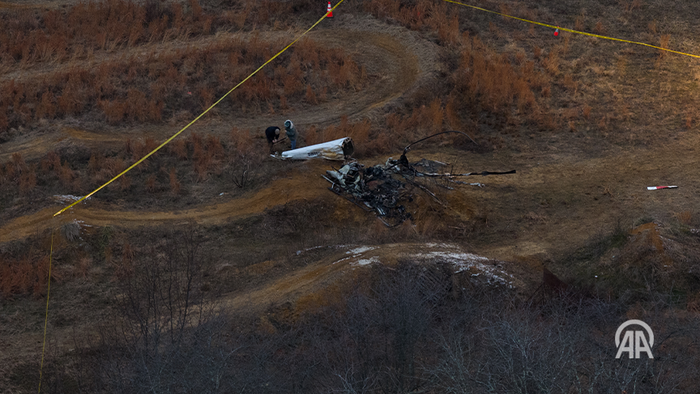
One week after a mysterious explosion - attributed to a "technical incident" - at Qatar's massive Ras Laffan industrial city killed dozens and set back restoration and recovery efforts at the giant LNG production facility by weeks if not months, a helicopter belonging to Saudi oil giant Aramco crashed on Sunday in Ras Tanura on Saudi Arabia's eastern coast on the Gulf, west of the Strait of Hormuz, killing 14 nationals, the state news agency reported, adding that the cause was unknown.
Aramco had resumed crude oil loadings on Friday at its Ras Tanura terminal in the Gulf after they were halted for nearly four months.
"The relevant authorities have launched a full investigation to determine the cause of the crash," the state news agency added.
Aramco did not respond immediately to an emailed request for comment.
Reuters: Helicopter belonging to Saudi oil giant Aramco, crashed on Sunday in Ras Tanura on Saudi Arabia's eastern coast west of the Strait of Hormuz, killing 14 nationals#SaudiArabia #SaudiAramco #BreakingNews #HelicopterCrash #RasTanura #StraitOfHormuz #Aviation #NewsAlert pic.twitter.com/DxHTtsigXt
— VIRAL VOLT (@ViralVolT1) June 28, 2026
The incident took place at 6 a.m. local time (0300 GMT), the state agency said, without providing further details.
Saudi Arabia, the world's biggest oil exporter, had joined a rush to move cargoes after Middle East producers ramped up oil and gas output and exports ahead of an interim deal to halt the war between the United States and Iran.
Related Markets
All MarketsMarket data may be delayed. Not financial advice.
Powered by Gab AI
The Story At A Glance
Reading this article now — analysis appears below
💡 AI analysis provides alternative perspectives on current events